



Geometric Area Rug
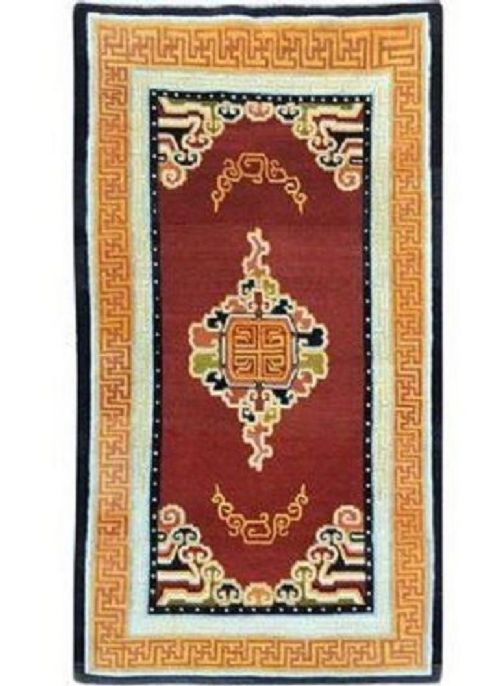
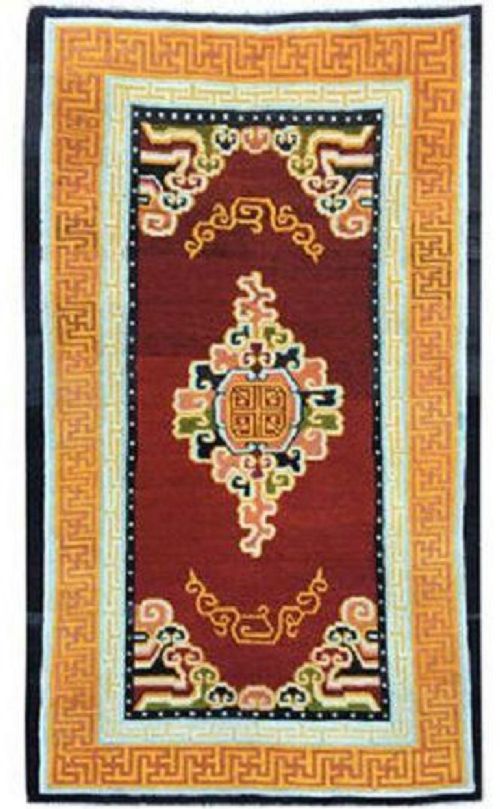
These geometric area rugs bring structured tribal motifs and regional woven character into a room.
Geometric Area Rug
A geometric area rug brings traditional tribal designs and structured patterns into an interior space. These woven floor coverings span from the late nineteenth century into the early twentieth century.
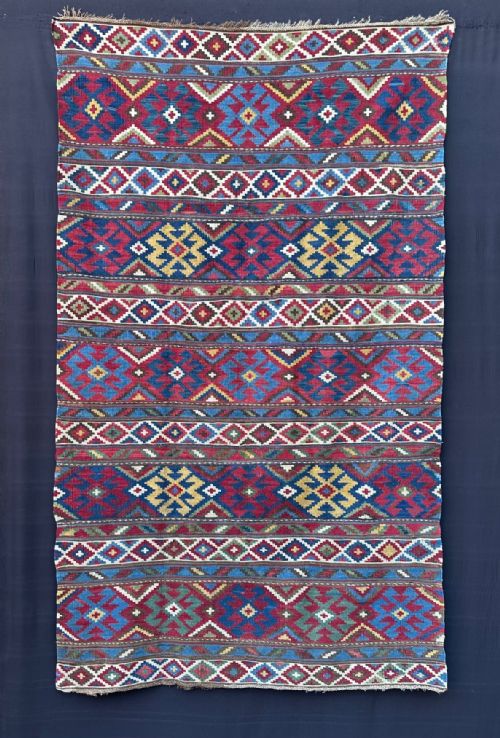
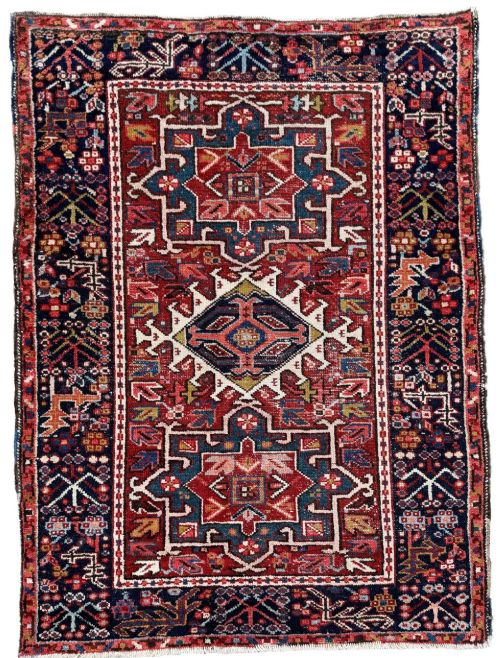
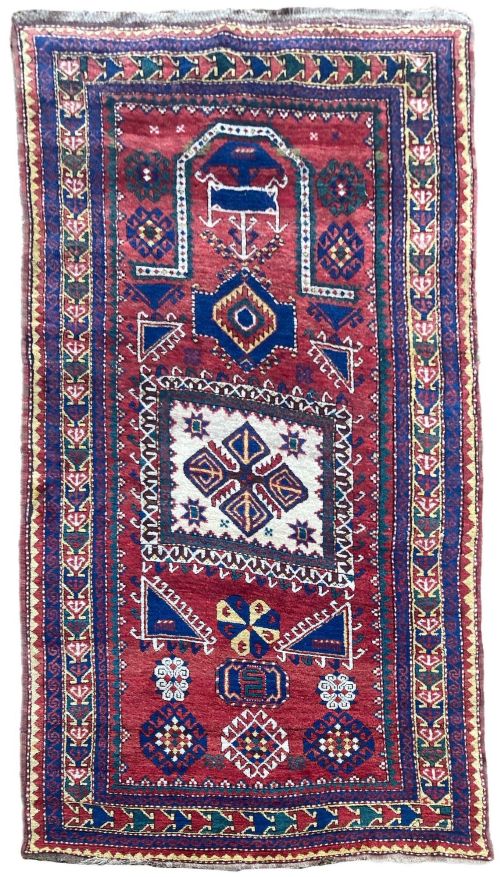
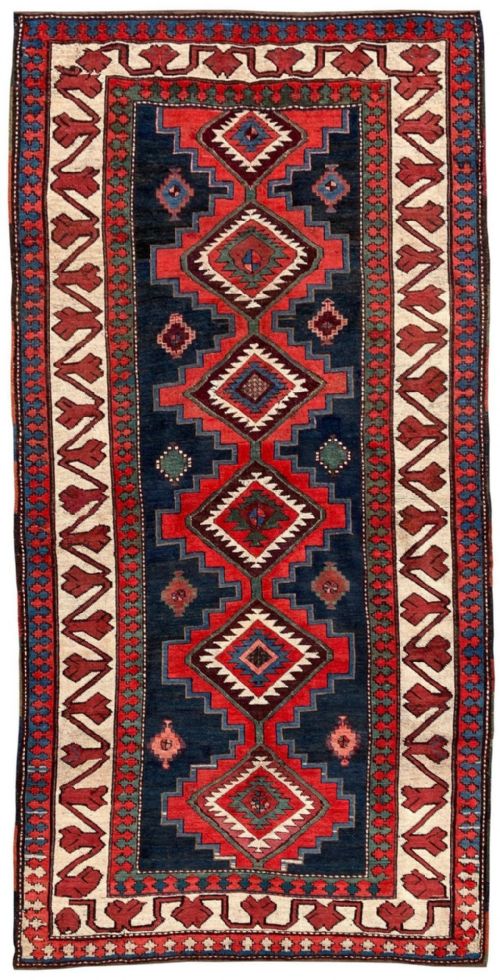
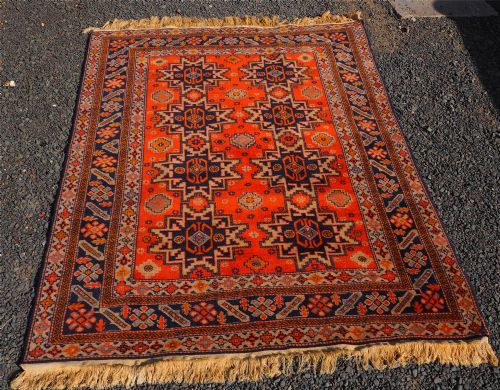
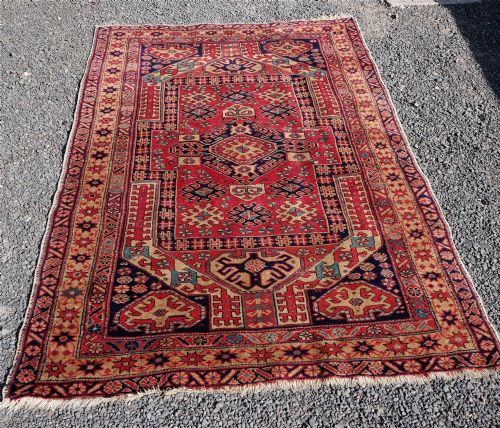
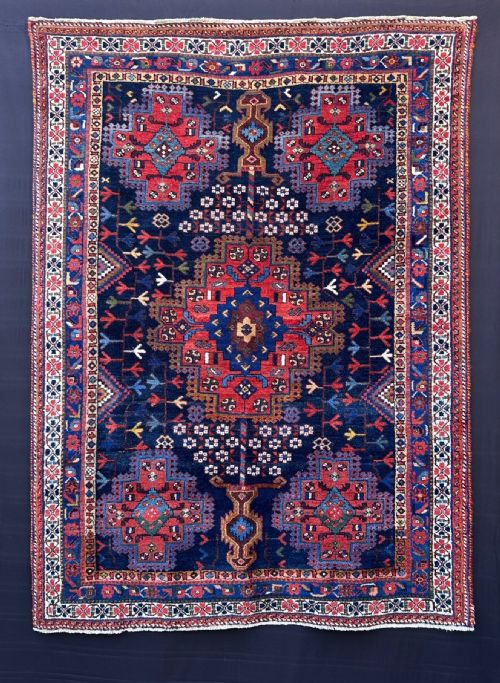
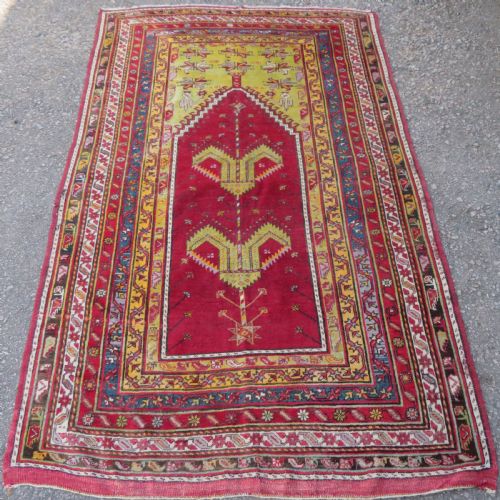
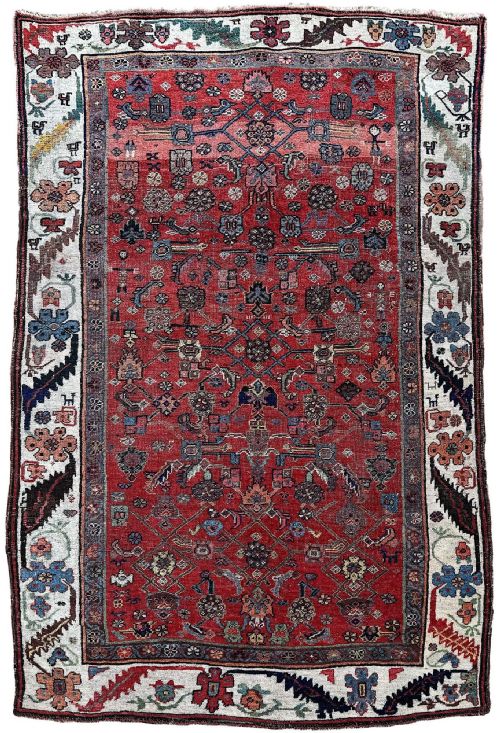
Buyers encounter distinct regional weaving traditions, such as the Turkmen-inspired Bahluli Baluch rug from eighteen eighty or the West Persian Kolyai rug from around nineteen hundred. Each piece carries the distinct aesthetic of its originating culture and period.
How they were made
These textiles rely on natural fibres recorded simply as wool and cotton. Weavers utilised these traditional materials to build durable pile carpets and flatweave kilims designed for everyday utility.
Construction techniques reflect regional workshops and nomadic traditions, resulting in robust structures that withstand the passage of time. The combination of wool and cotton provides both flexibility and structural integrity to each woven surface.
Geometric Area Rug Retail Price Guide 2026
Typical asking prices for geometric area rug among the pieces listed under this phrase on Sellingantiques today, from the lower quarter to the upper quarter. They describe what is for sale here now, not the wider market.
Current listings feature pieces spanning from eighteen eighty to nineteen twenty, utilising wool and cotton materials across Caucasian, Persian, and Balkan styles.
What varies in quality
Quality in these floor coverings rests upon the precision of the woven design and the integrity of the fibre structure. Tightly packed knots and flatweaves dictate the longevity and crispness of the geometric motifs.
The handling of traditional colour palettes and the consistency of the weave distinguish finer tribal examples from standard utility pieces. Balance in composition and regional authenticity elevate certain kilims and carpets above others.
The Geometric Area Rug Glossary
- Kilim
- A flatwoven carpet or rug produced without a pile. These pieces rely on interlocking the warp and weft threads to form sharp geometric patterns.
- Runner
- A long, narrow carpet format suited for hallways and corridors. This shape displays repeating motifs along an extended linear axis.
- Pile
- The upright yarn loops or tufts forming the tactile surface of a rug. Dense pile construction adds warmth and cushions the foot.
- Warp
- The stationary vertical threads stretched across a loom before weaving begins. These foundational threads support the entire structure of the textile.
Geometric Area Rug: Frequently Asked Questions
What defines a geometric area rug?
These textiles feature structured patterns, repeating motifs, and linear tribal designs. They encompass flatweaves and knotted pile rugs originating from various regional weaving traditions.
Such pieces range from nineteenth-century main carpets to early twentieth-century kilims. Their designs rely on angles, medallions, and compartmentalised layouts rather than organic florals.
How do I care for an antique rug?
Gentle vacuuming without a rotating brush helps remove everyday dust without straining the old fibres. Professional cleaning tailored to vintage textiles preserves the wool and cotton.
Keeping the piece out of harsh direct sunlight prevents the soft traditional colours from fading prematurely. Using a quality underlay prevents sliding and reduces friction against the floor.
Where were these tribal rugs made?
The pieces originate from regions including the Caucasus, Persia, and the Ottoman Balkans. Nomadic groups and village workshops produced them using local materials.
Specific examples stem from western Afghanistan, West Persia, and Turkmen-inspired weaving communities. Each geographic area imparts distinct methods and characteristic motifs to the textile.