

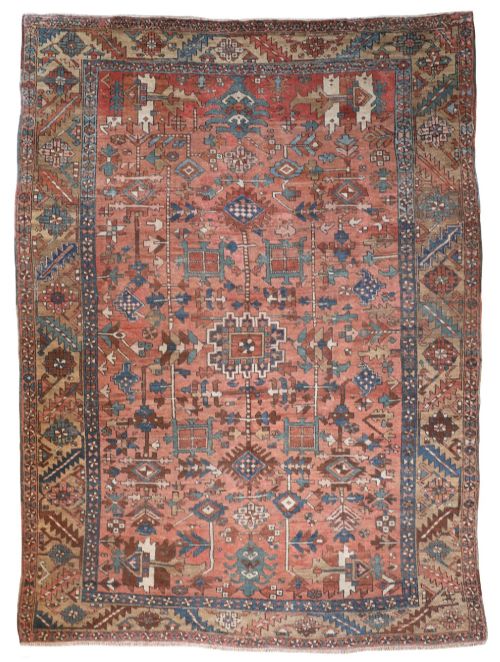
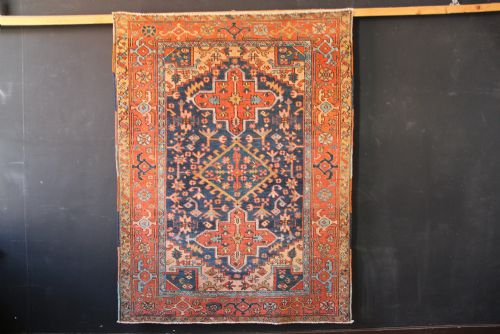
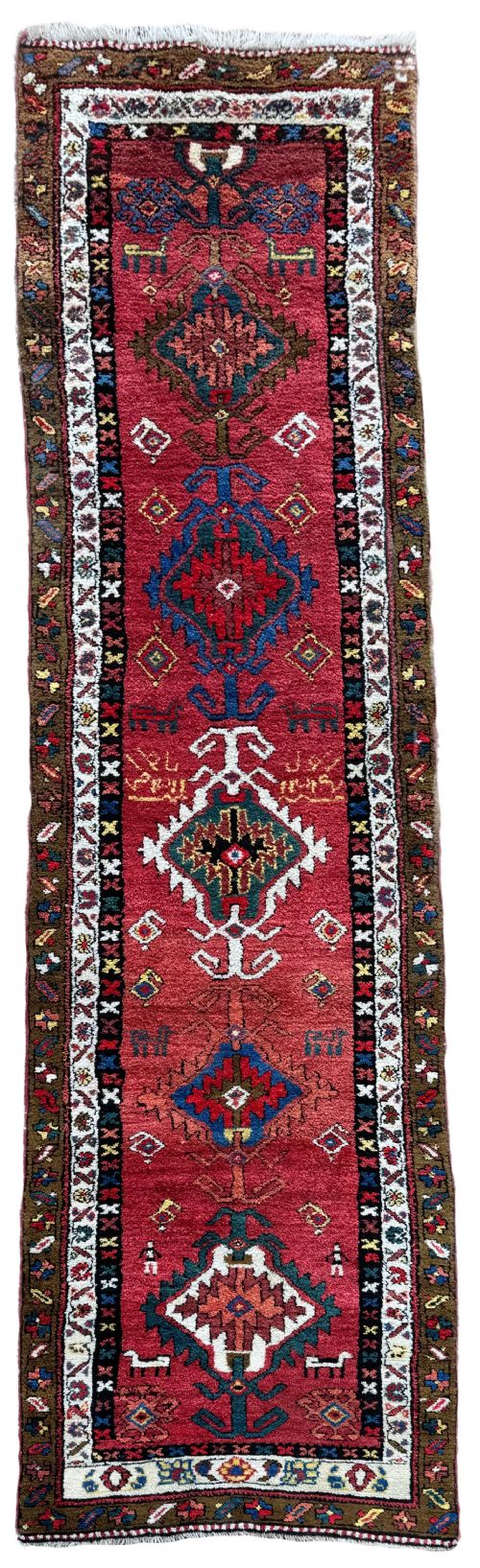
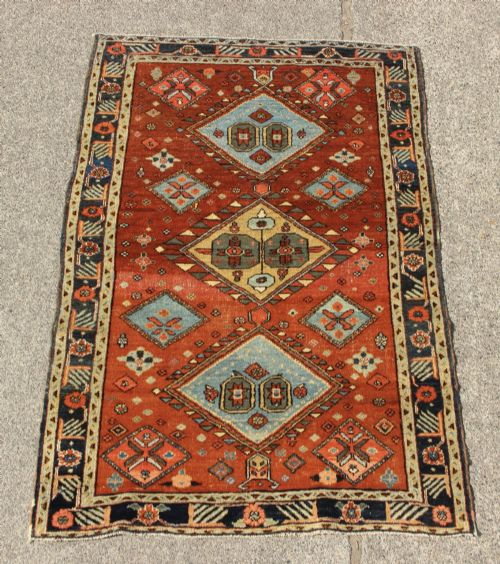
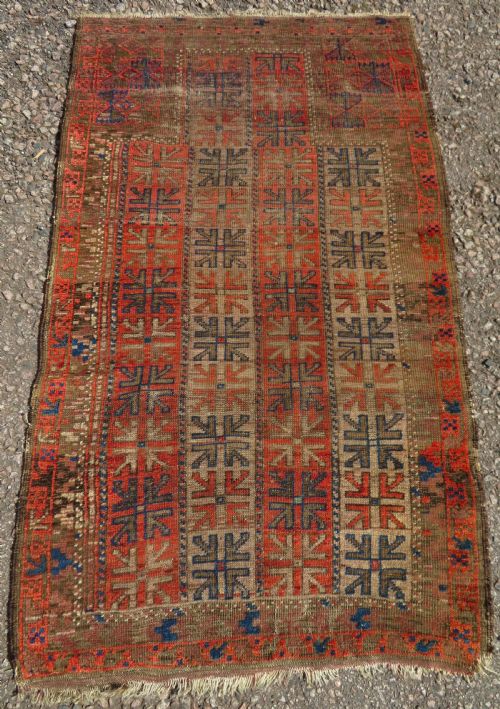


Rustic Wool Carpet
A rustic wool carpet brings genuine tribal character to a room, offering hard-wearing floor coverings woven by village and nomadic makers.
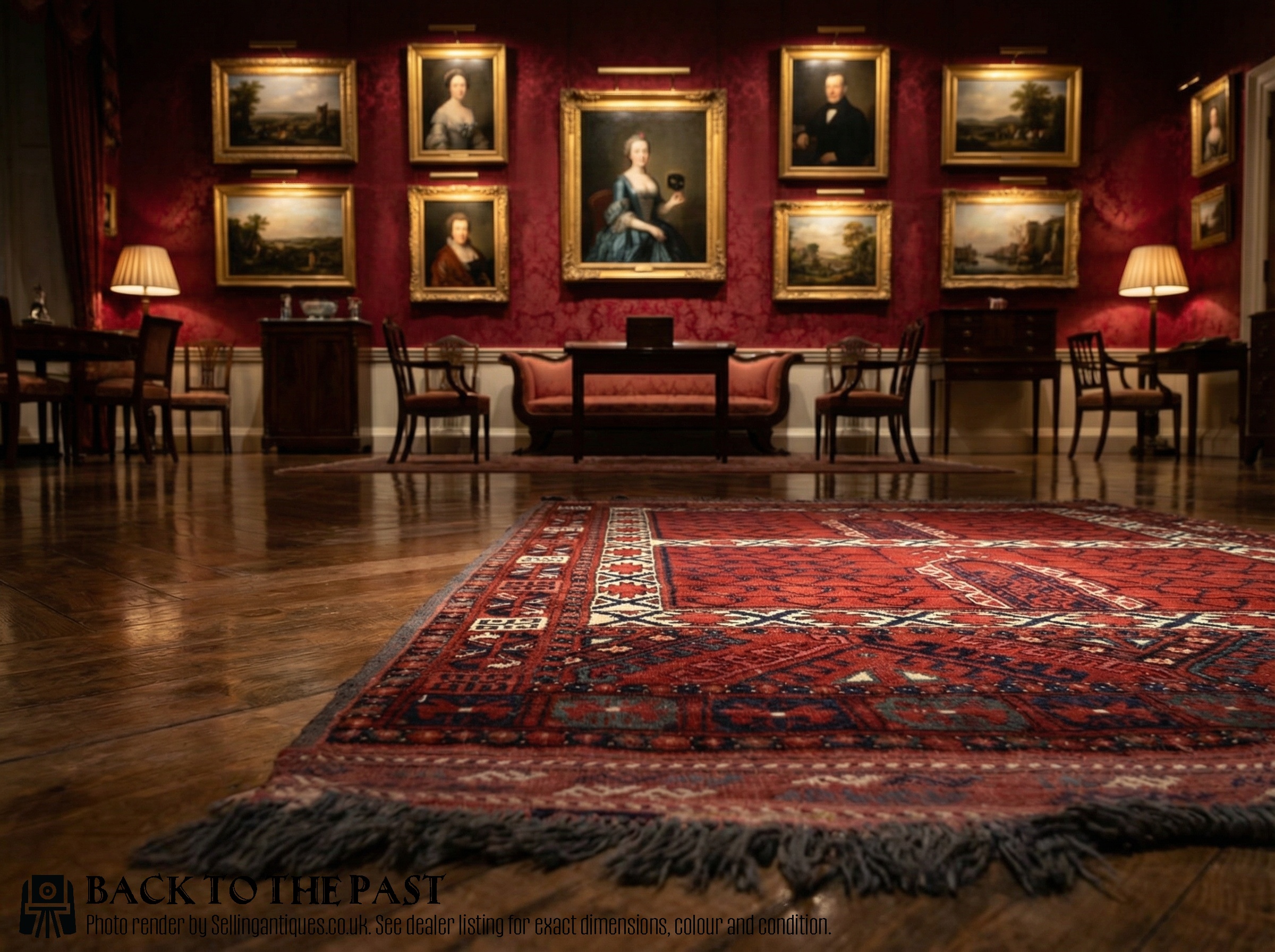
Rustic Wool Carpet
When you search for a rustic wool carpet, you encounter floor coverings originating from Persian, Anatolian, and Caucasian weaving traditions. The selection includes runners, village rugs, and tribal carpets spanning the late nineteenth and early twentieth centuries.
Most examples hail from distinct weaving groups such as Heriz, Baluch, Kurdish, and Turkish village workshops. These pieces combine traditional regional motifs with practical room-sized formats or smaller accent dimensions.
How they were made
Weavers utilised natural wool, often hand-spun and occasionally incorporating camel wool for durability and texture. Foundations frequently rely on cotton warp threads to support the dense pile.
Production methods involve hand-knotting or flat-weaving techniques passed down through generations in tribal and village communities. This construction yields robust textiles intended for everyday domestic use.
Rustic Wool Carpet Retail Price Guide 2026
Typical asking prices for rustic wool carpet among the pieces listed under this phrase on Sellingantiques today, from the lower quarter to the upper quarter. They describe what is for sale here now, not the wider market.
Several pieces feature camel wool, offering a wonderfully rugged texture from animals that likely spent their days wandering dusty village tracks.
What varies in quality
The degree of fineness in the knotting and the complexity of the tribal design distinguish different tiers of weaving. Tighter structures and more intricate medallions indicate greater skill from the maker.
The integrity of the wool and the preservation of the pile determine the overall robustness of the textile. Pieces retaining substantial pile show how well the materials withstand centuries of foot traffic.
The Rustic Wool Carpet Glossary
- Kelim
- A flat-woven carpet or rug produced without a pile. These pieces rely on interlocking weft threads to create geometric patterns.
- Warp
- The vertical threads stretched on a loom before weaving begins. Cotton warp provides a sturdy foundation for wool pile.
- Medallion
- A central ornamental motif positioned in the middle of the field. Many Heriz and tribal rugs centre their composition around this element.
- Prayer rug
- A small rug featuring a mihrab design used for personal devotion. Baluch weavers frequently produced portable examples of this type.
- Runner
- A long, narrow carpet suited for hallways or stairs. These formats accommodate restricted spaces while displaying traditional village patterns.
Rustic Wool Carpet: Frequently Asked Questions
Where were these rugs made?
The pieces originate from traditional weaving regions across Persia, Anatolia, and the Caucasus. Specific villages, nomadic tribes, and highland communities produced these textiles using local materials.
Workshop traditions varied significantly between regions, resulting in distinct geometric patterns and regional colour palettes that identify each provenance.
How do I care for a wool carpet?
Regular gentle vacuuming without a beater bar keeps wool carpets free from trapped dirt and grit. Professional cleaning suited to antique textiles preserves the natural fibres.
Avoiding prolonged exposure to direct sunlight prevents the natural dyes from fading prematurely while maintaining the rich tones of the wool.
What is the difference between a rug and a carpet?
Carpets generally denote larger room-sized floor coverings, whereas rugs cover smaller floor areas or specific functional spaces. Both share identical hand-knotted construction techniques.
Runners provide a specialised long format designed specifically for corridors, bridging the distinction between standard room sizes and smaller mats.
How do I identify a tribal design?
Tribal designs typically feature geometric motifs, stylised animals, and repeating field patterns rather than curved floral court designs. Nomadic weavers relied on memory and traditional motifs passed down through generations.
Asymmetrical details and idiosyncratic colour choices often point towards independent village or nomadic production rather than large urban manufactories.