
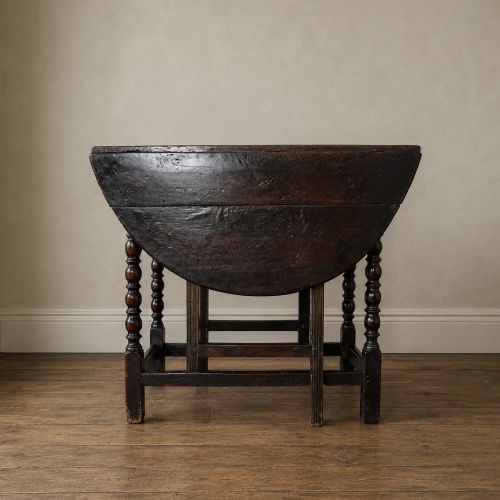
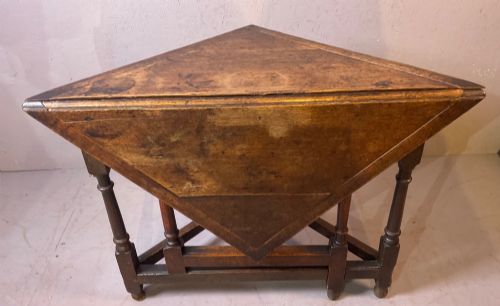
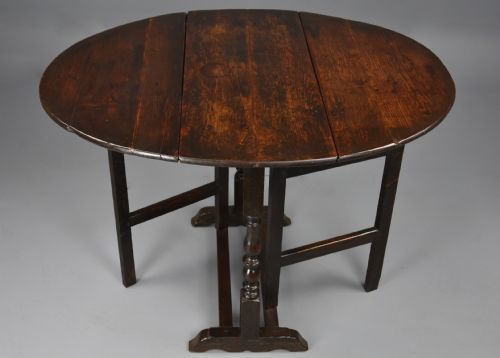
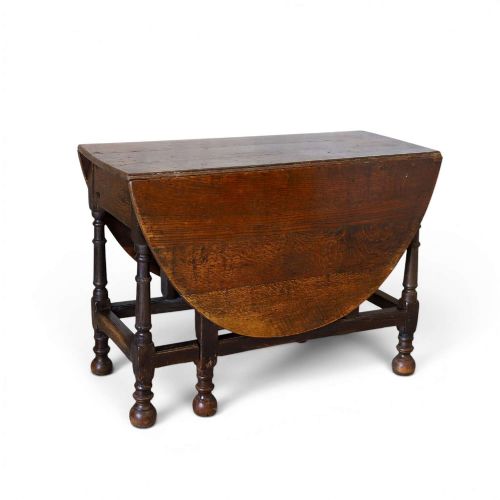
Dark Oak Drop Leaf Table
A dark oak drop leaf table offers rich timber tones and clever space-saving engineering for any dining room.
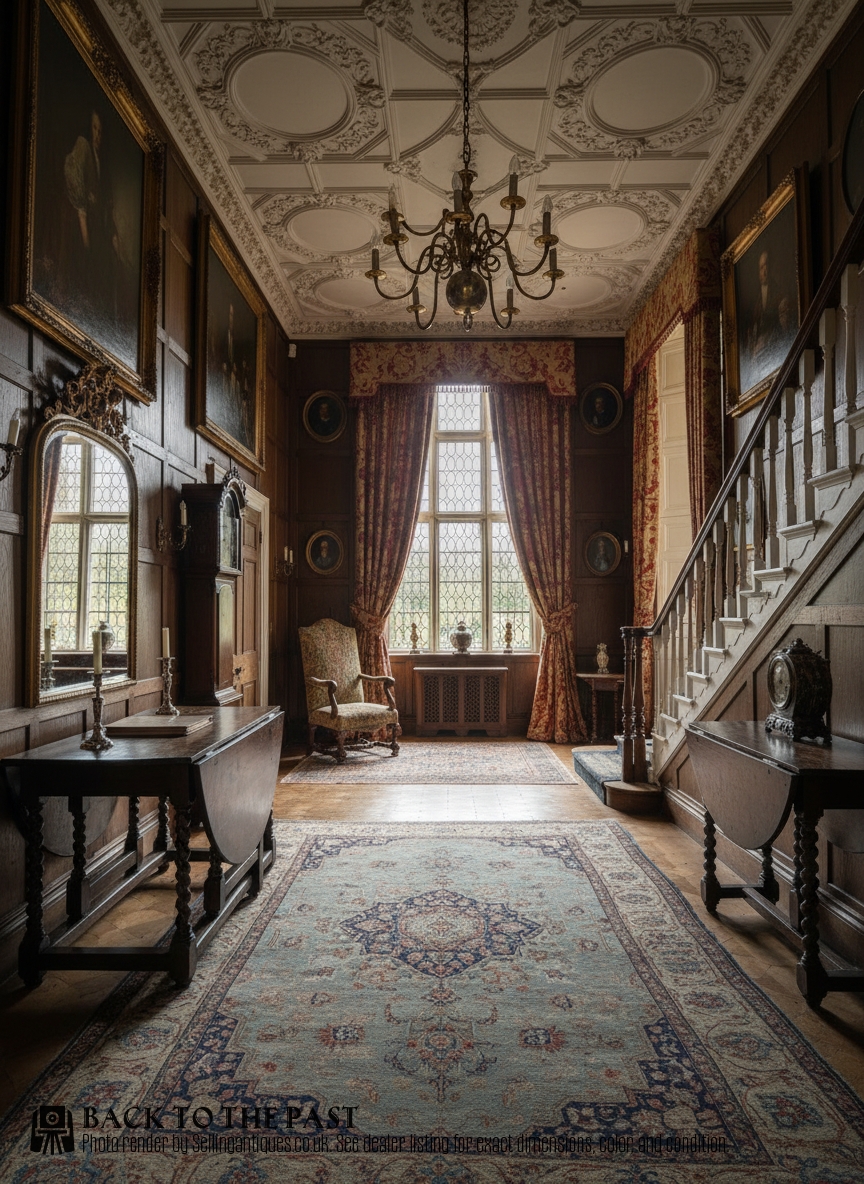
What a dark oak drop leaf table is
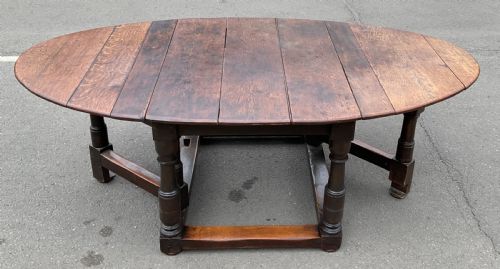
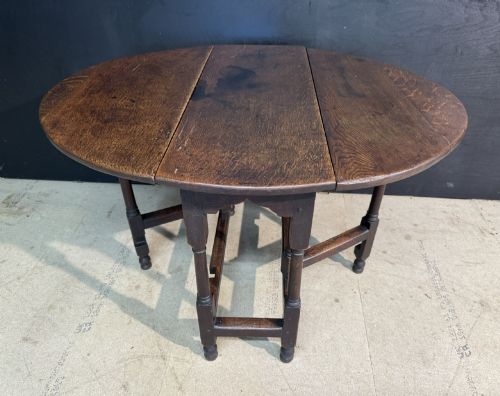
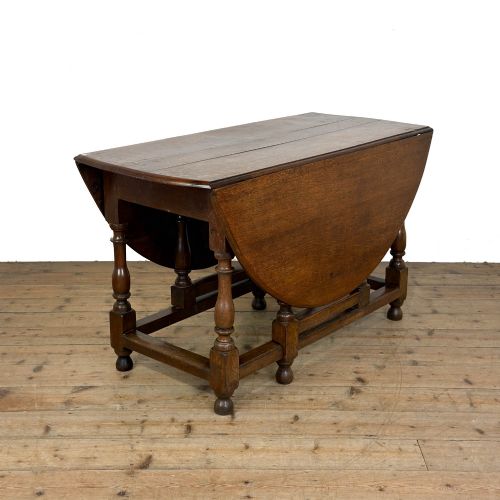
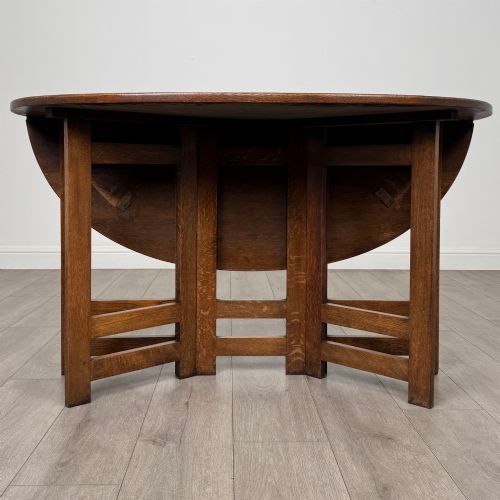
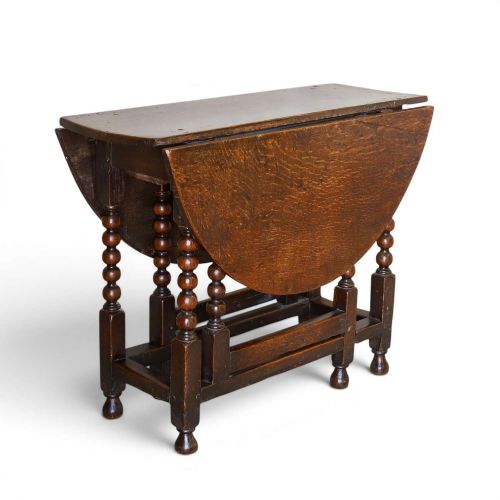
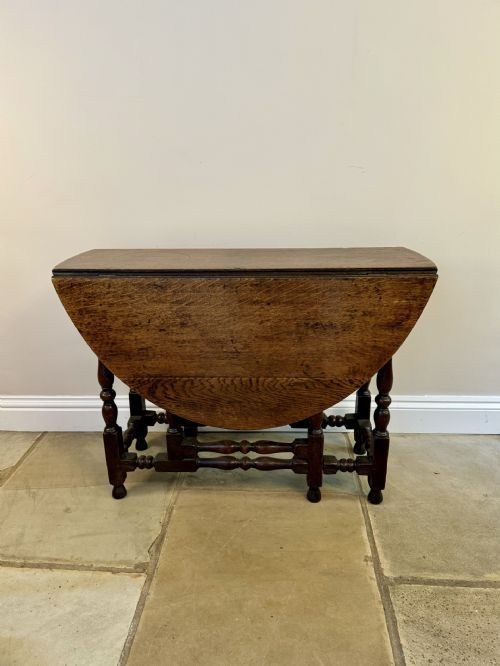
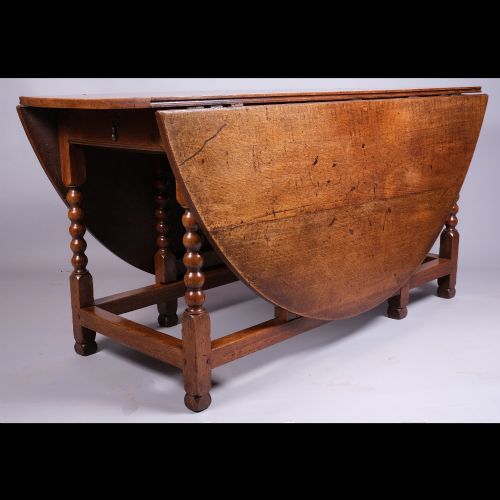
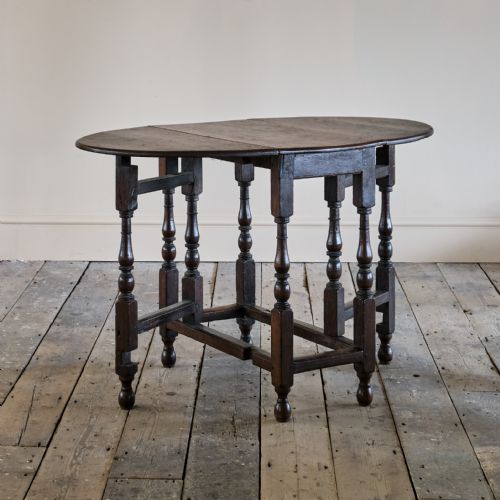
A dark oak drop leaf table provides a robust surface that extends when needed and folds away compactly for daily living. These dining tables appear across several distinct historical periods, spanning from the seventeenth century through to the early twentieth century.
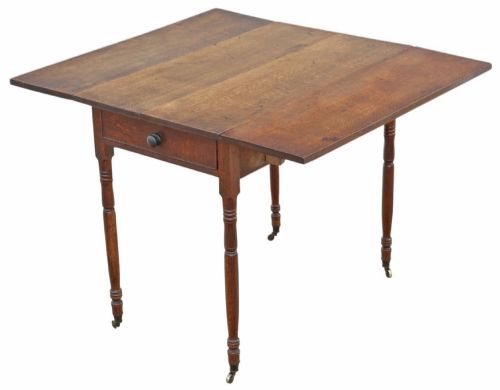
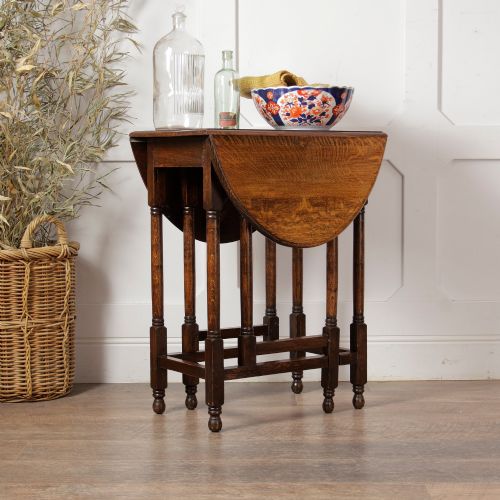
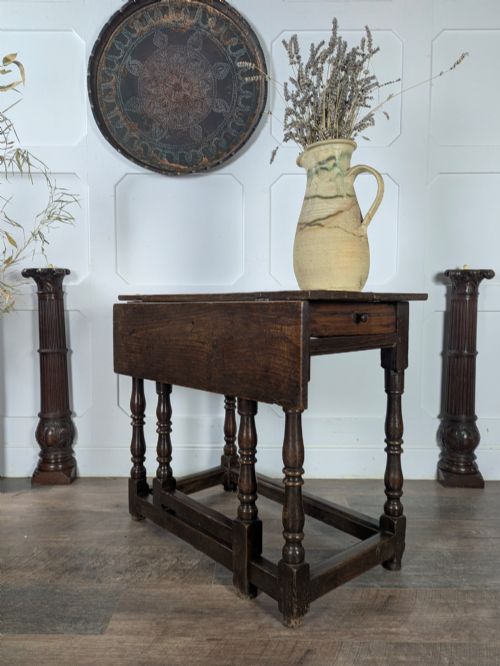
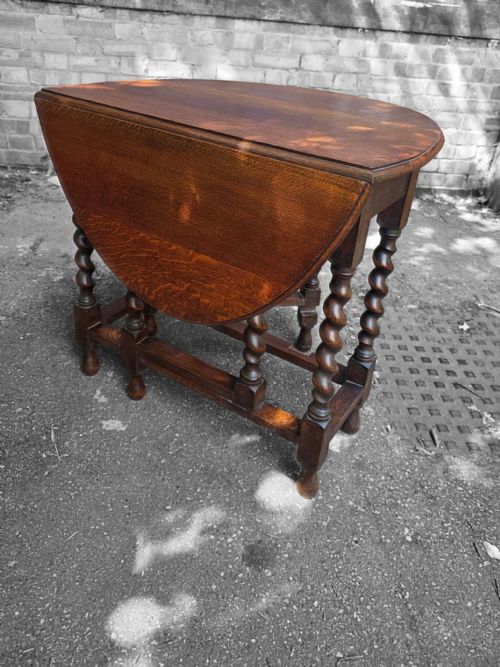
The pieces listed here showcase traditional forms such as the gateleg table and the Pembroke kitchen dining table. Examples range from robust seventeenth-century gateleg construction to later Georgian and Edwardian interpretations.
Most pieces on this page utilise rich dark oak timber combined with brass fittings where appropriate. The selection encompasses various historical eras including the 17th Century, 18th Century, 19th Century, and 1910.
How they were made
Craftsmen built these tables using solid oak timber, often selected for its durability and prominent grain pattern. Joinery methods matched the period, ensuring sturdy frames capable of supporting hinged flaps.
Makers integrated brass hardware such as hinges and occasionally castors, which provided both structural support and functional movement. The timber received dark finishes that highlighted the natural characteristics of the oak.
Retail Price Guide 2026
Typical UK retail prices for dark oak drop leaf table, calculated from the Sellingantiques database of over a million retail prices indexed since 2003. This retail price guide relies exclusively on Sellingantiques data; no external sources or auction records are used, so the figures do not describe the wider market.
Every drop leaf relies on wooden hinges or swinging legs that have faithfully caught falling lunches for hundreds of years.
What varies in quality
Quality rests in the selection of the oak timber and the precision of the joinery that keeps the drop leaves stable when raised. Superior examples display thoughtful construction where the gateleg or flap mechanism operates smoothly without sagging.
The integrity of the original brass hardware and the depth of the dark oak patina distinguish finer pieces from simpler utilitarian tables. Age-related authenticity in the timber surface elevates the character of earlier centuries.
The Dark Oak Drop Leaf Table Glossary
- Drop-leaf table
- A table with a fixed centre section and hinged leaves that fold down to save space.
- Gateleg table
- A dining table featuring hinged legs that swing out like gates to support the drop leaves.
- Pembroke table
- A smaller form of drop-leaf table typically featuring a drawer and narrow folding leaves.
- Patina
- The deep surface sheen and colour developed by oak timber over centuries of handling and exposure.
Frequently Asked Questions
How do I use a gateleg table daily?
You simply swing the supportive legs outward from the frame to lock the drop leaves securely into place for meals. When finished, you fold the leaves down to reduce the floor space occupied by the furniture.
The sturdy oak construction allows these dining tables to handle daily family use while adapting easily to smaller rooms or larger gatherings.
What is the difference between Georgian and 17th century tables?
Seventeenth-century examples generally feature heavier gateleg frames and simpler, robust joinery suited to vernacular interiors of the period. Georgian pieces, such as Pembroke tables, often incorporate refined lines and functional drawers.
Materials remain consistent with oak, but stylistic proportions evolve across the centuries from utilitarian robustness toward domestic elegance.
How do I care for dark oak timber?
You should maintain the surface by dusting regularly with a soft, dry cloth and avoiding excessive moisture or direct heat. Natural waxes can be applied periodically to nourish the dark oak and preserve its finish.
Proper placement away from radiators ensures the timber remains stable and avoids splitting over time.