


Dark Oak Document Box
A dark oak document box is a sturdy wooden repository for papers and valuables, combining utilitarian function with centuries of domestic craftsmanship.
Dark Oak Document Box
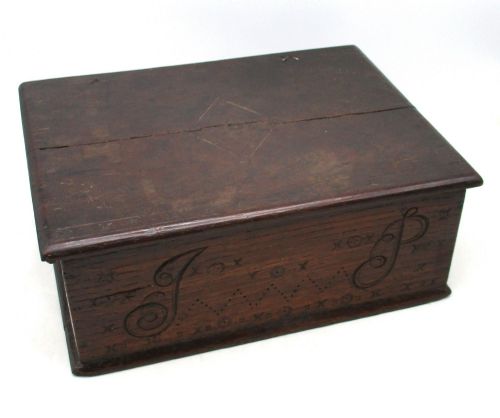
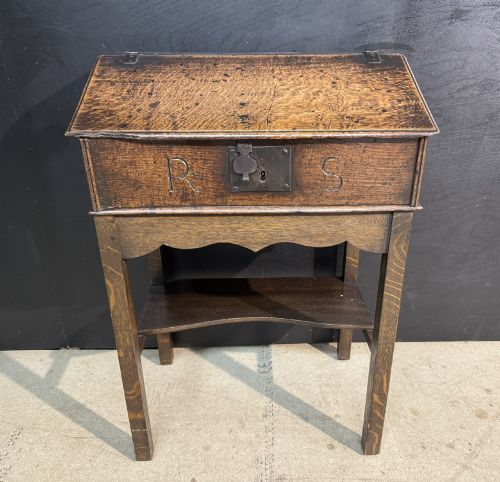
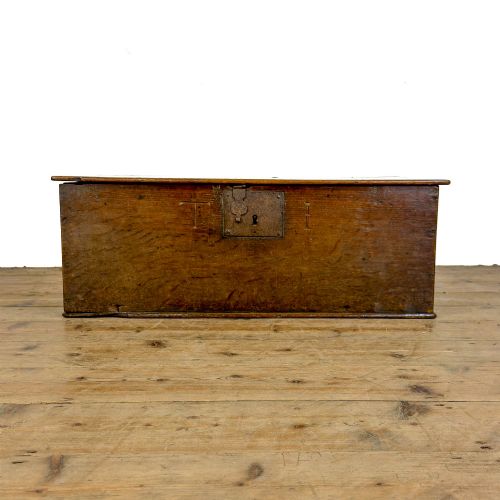
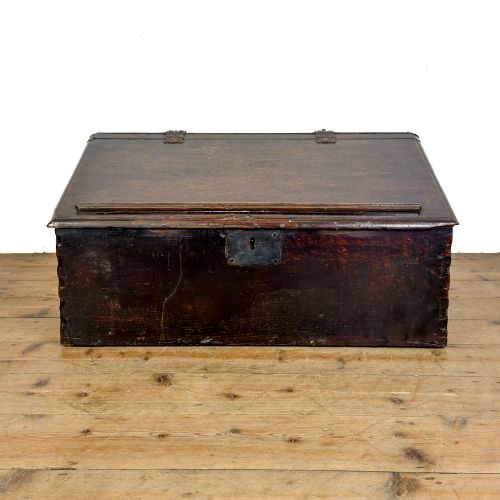
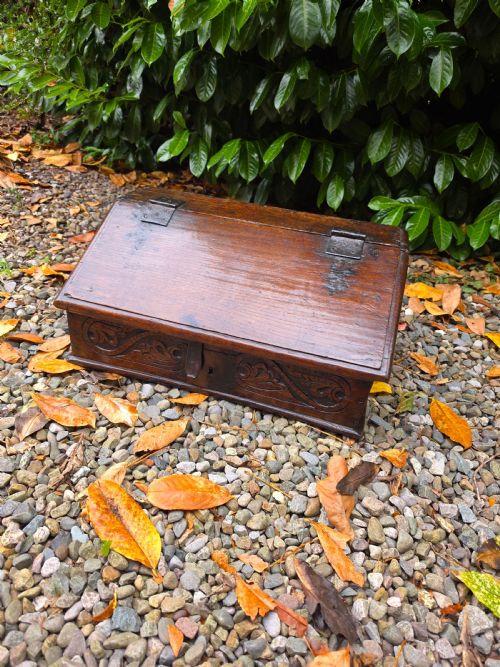
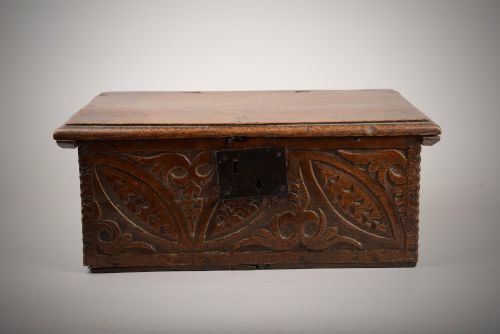
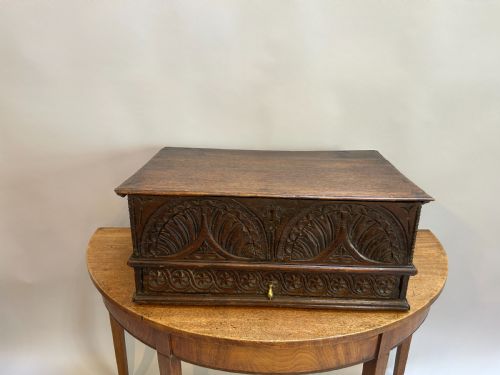
A dark oak document box serves to protect important papers, deeds, and letters in domestic or institutional settings. These objects appear in various configurations, including desk boxes, writing slopes, and bible boxes.
The pieces on this page stem predominantly from the seventeenth and eighteenth centuries, with occasional examples reaching into the sixteenth or nineteenth century. English and Welsh origins dominate the selection, alongside rarer French chestnut variants.
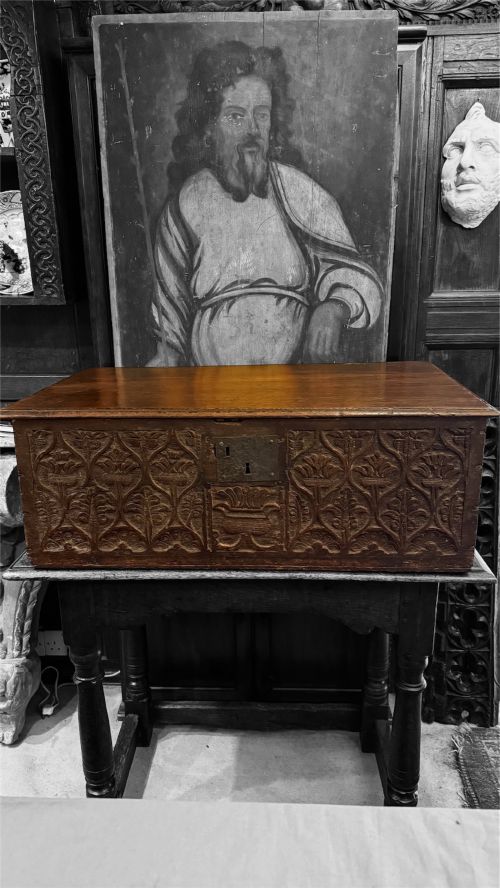
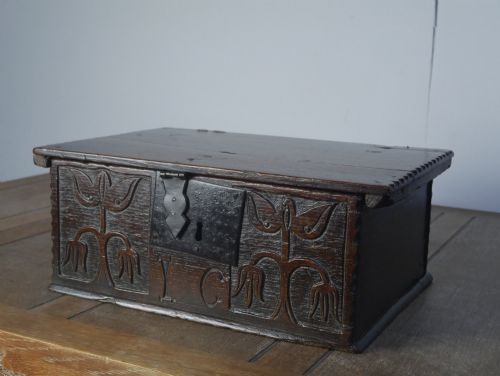
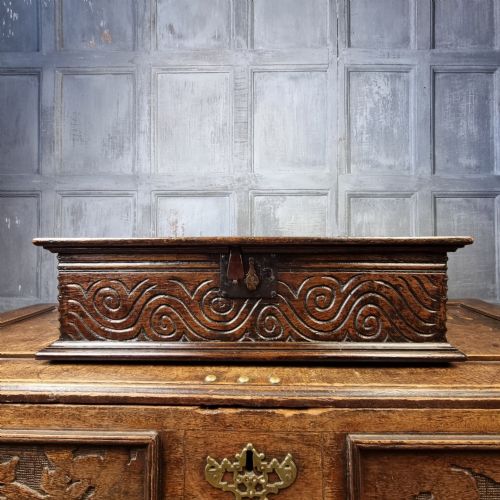
Buyers will most frequently encounter seventeenth-century forms featuring hinged lids, internal drawers, and chip-carved or geometric decoration. Table boxes and travelling strong boxes also represent common variations within the inventory.
Materials and Construction
Makers constructed these dark oak document boxes primarily from solid oak, sometimes utilising chestnut, bog oak, or holly for decorative contrast. Timber was typically quarter-sawn to expose the medullary rays and ensure structural stability over time.
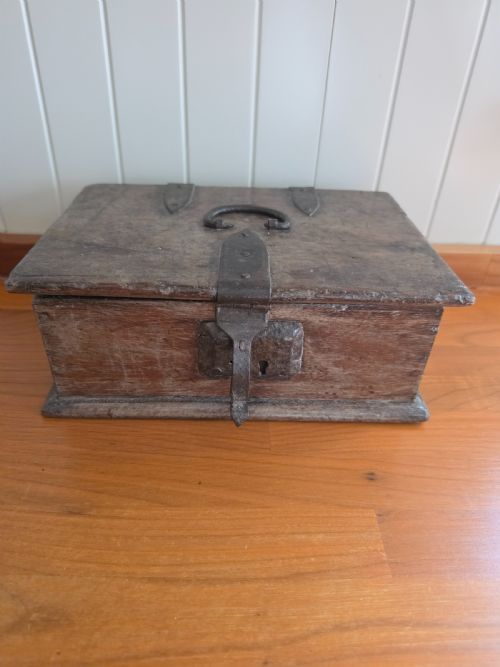
Joinery relied heavily on pegged mortise and tenon joints, dovetails, and hand-planed panels fitted into grooved frames. Carving, chip-carving, and inlay techniques embellished the exterior surfaces, while iron, brass, and steel provided hinges, brackets, and complex locks.
Form variations include bible boxes, desk boxes, writing slopes, deed boxes, and travelling strong boxes.
Evaluating Quality
Quality rests in the crispness of the hand-carved friezes, the integrity of the original joints, and the survival of secondary woods like holly and bog oak. Boxes retaining complex original steel locks and internal drawers command greater regard among collectors.
Surface patination and timber selection reveal the underlying standard of manufacture. Finer pieces demonstrate careful selection of figured oak boards and restrained, well-executed decorative schemes rather than heavy, later alterations.
The Dark Oak Document Box Glossary
- Bible box
- A sloping-lidded wooden container originally made to store sacred texts and personal papers. These pieces often doubled as portable writing desks on tables.
- Chip carving
- A primitive decorative technique where small chips of wood are removed from a solid surface with gouges and knives. It creates geometric patterns frequently seen on seventeenth-century pieces.
- Writing slope
- A box with an angled lid designed to provide a comfortable surface for penning letters. Interior compartments usually house inkwells and quills.
- Bog oak
- Subfossil oak that has been buried in peat bogs for centuries, turning the wood a deep dark brown or black colour. Craftsmen used it for contrasting inlay work.
Dark Oak Document Box: Frequently Asked Questions
What is a dark oak document box?
A dark oak document box is a portable wooden container designed to safeguard letters, legal deeds, and valuables. These boxes range from simple table chests to elaborate writing slopes with internal drawers.
Craftsmen built them to withstand daily use, frequently employing heavy timber and robust iron or steel hardware to secure the contents.
How were bible boxes used historically?
Bible boxes served primarily to protect household scriptures from dirt, moisture, and theft in seventeenth and eighteenth-century homes. Placing them on tables kept the volumes elevated and safe.
Over time, owners also stored correspondence, tax receipts, and family records inside, utilising the flat or sloping lid as a writing surface.
How do I date a seventeenth-century box?
Dating relies on examining construction methods, tool marks, and decorative styles characteristic of the period. Hand-planed boards, pegged joints, and characteristic chip carving or Jacobean motifs provide primary clues.
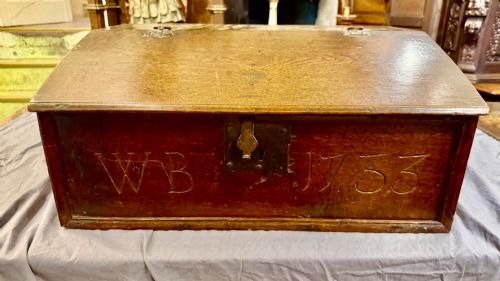
Makers occasionally inscribed initials and dates directly into the oak panels, offering a precise point of origin for specific pieces.
How do I care for antique oak?
Antique oak requires stable indoor humidity levels away from direct sunlight and heat sources to prevent timber splitting. Regular gentle dusting preserves the natural wax finish and patina.
Avoid using modern liquid polishes or silicone sprays, which can penetrate unsealed wood pores and damage the historic surface over time.