
Antique Wooden Document Chest
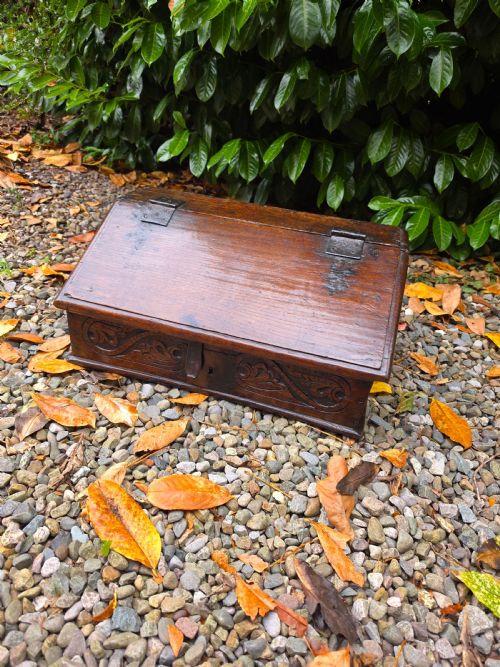
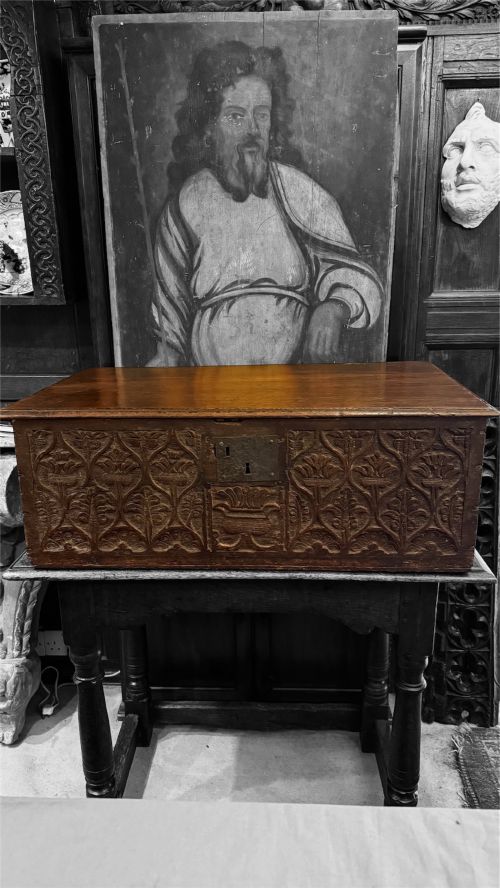
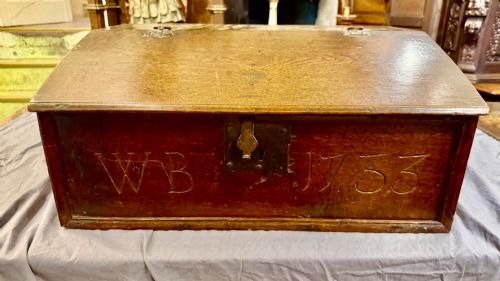
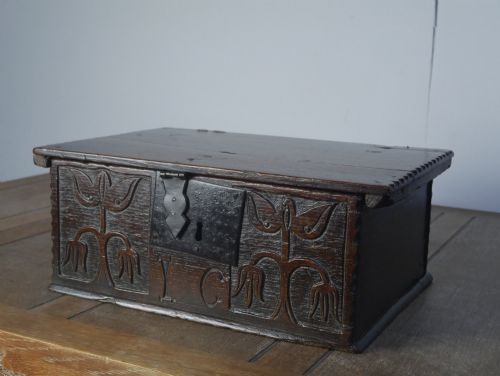
An antique wooden document chest gathers centuries of secure storage, from seventeenth-century oak Bible boxes to Edwardian oak filing cabinets.
Antique Wooden Document Chest
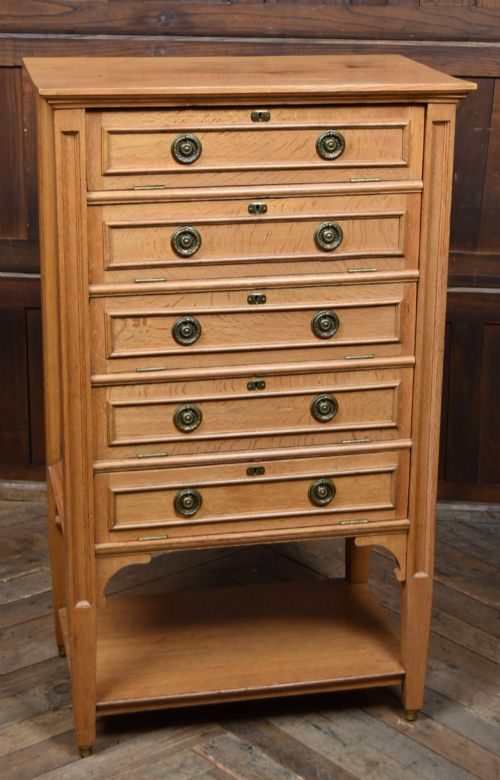
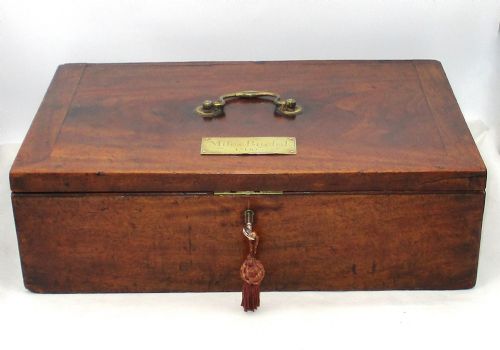
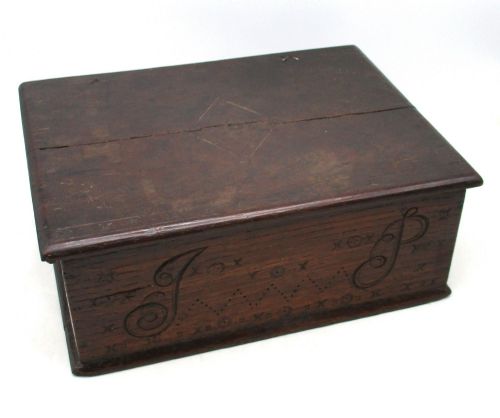
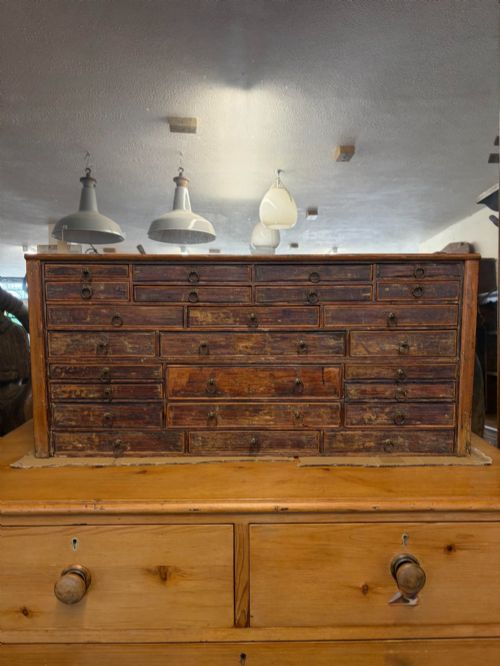
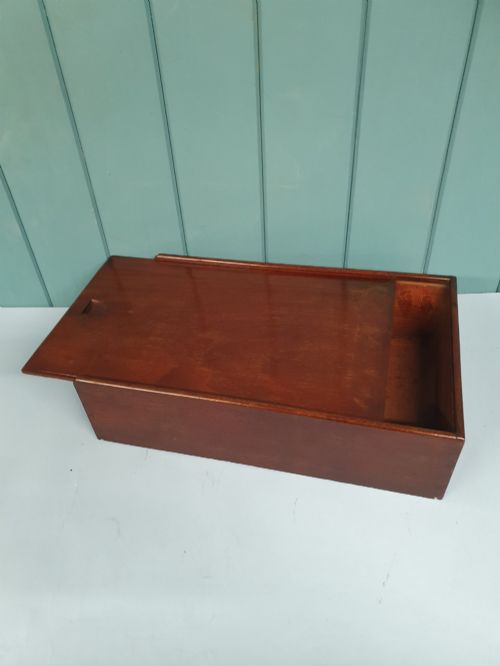
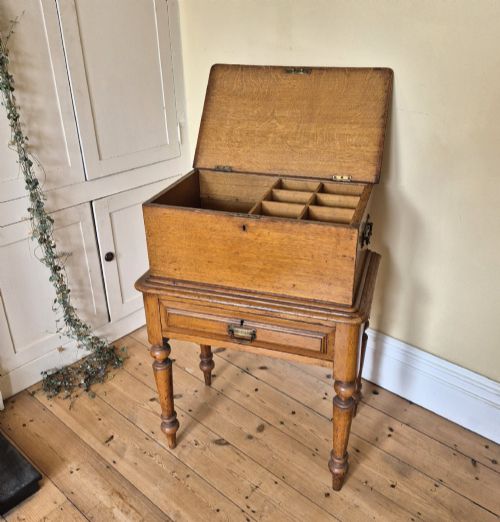
An antique wooden document chest encompasses secure containers designed for deeds, letters, and valuables, spanning formats from small slant-front Bible boxes to multi-drawer filing cabinets and robust travelling strongboxes. The pieces on this page originate across several periods, including the sixteenth, seventeenth, eighteenth, and nineteenth centuries, alongside Edwardian and later office furniture.
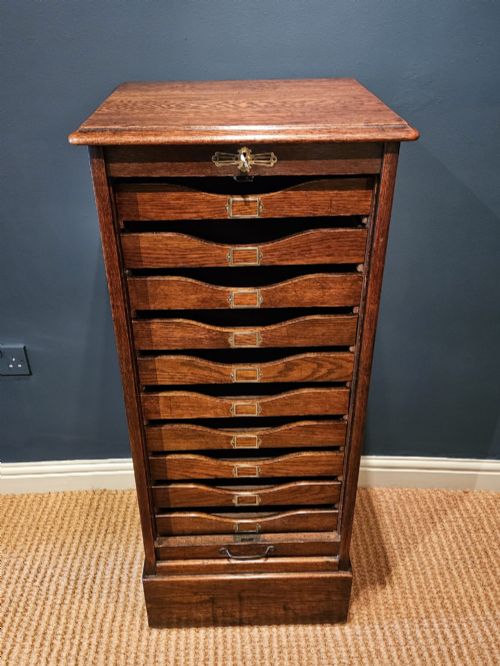
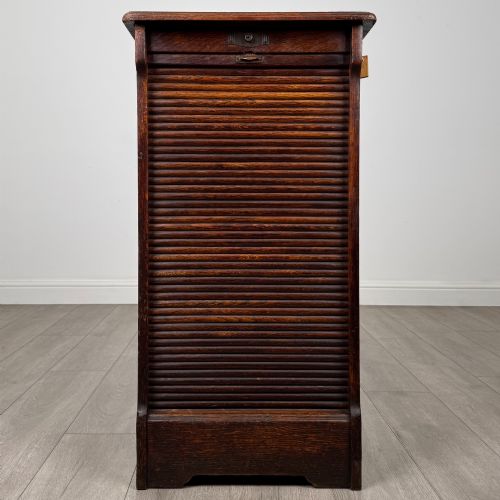
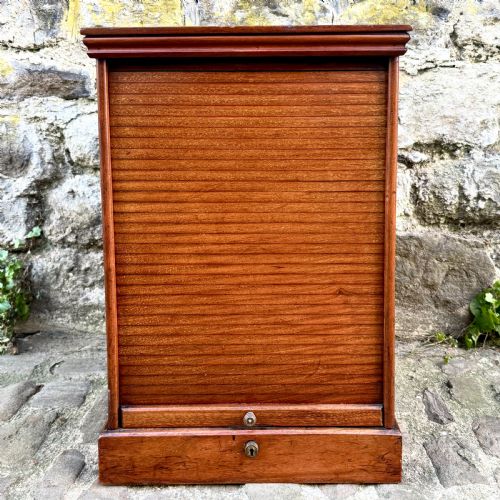
Early examples lean toward solid timber constructions like oak and elm, often built with hinged lids and complex internal compartments for safe keeping. Later iterations shift into utilitarian office formats such as tambour front filing cabinets and banks of drawers executed in mahogany, pine, and rosewood.
How they were made
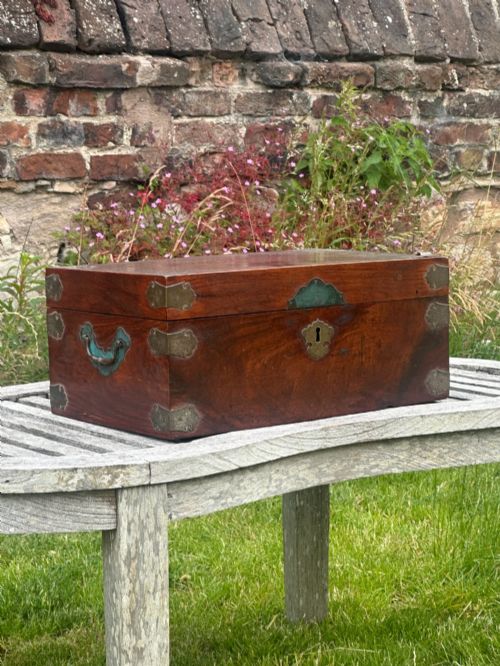
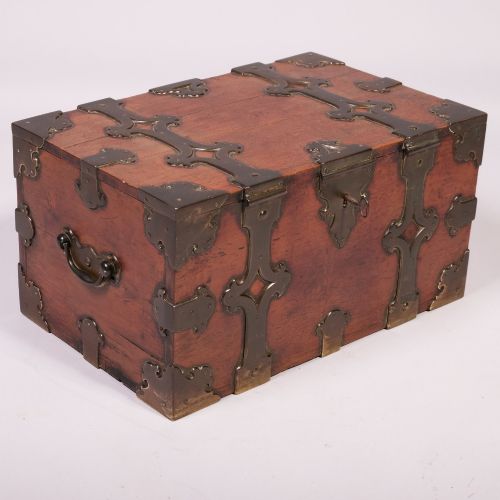
Joiners and cabinetmakers relied primarily on native and exotic timbers, working with sturdy oak, mahogany, walnut, and pine, frequently reinforced with brass mounts, iron straps, and forged hardware. Complex locking mechanisms formed an integral part of the construction, utilising original steel locks and robust internal fittings to protect sensitive papers.
Surface treatments range from natural waxed finishes highlighting the grain of rosewood and camphor to Scandinavian folk art paint and intricate carved details on seventeenth-century bible boxes.
The listings span eight distinct periods, stretching from the 16th century through to 1950, utilising materials like brass, iron, paint, and camphor.
What varies in quality
Quality rests in the integrity of the timber selection, the preservation of original hardware such as brass handles and complex steel locks, and the precision of the joinery. Early seventeenth-century carved examples and campaign style pieces with intricate brass inlay display distinct levels of hand-craftsmanship compared to utilitarian office furniture.
The survival of original internal drawers, sliding lids, and operational tambour mechanisms significantly elevates a piece, as does the authenticity of period surface finishes and structural fittings.
Luxmore of Ilfracombe·William Austin
The Antique Wooden Document Chest Glossary
- Bible Box
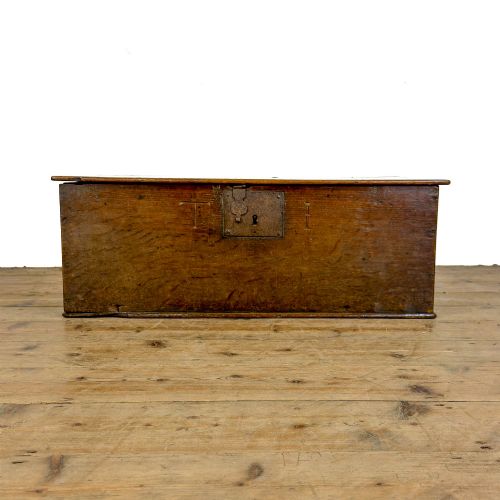
- A small desk box originally intended to store a family Bible or important documents, often featuring a sloping lid.
- Tambour Front
- A flexible shutter door constructed from narrow strips of wood glued to a canvas backing, common on Edwardian filing cabinets.
- Deed Box
- A secure wooden container reinforced with metal bindings or brass, designed specifically for legal papers and title deeds.
- Strongbox
- A heavily reinforced chest utilising iron bands and complex internal locking systems for high-security storage.
- Campaign Style
- Furniture engineered for portability, typically featuring brass corners, flush handles, and collapsible elements.
Antique Wooden Document Chest: Frequently Asked Questions
What is an antique wooden document chest used for?
These chests served historically to protect valuable papers, deeds, correspondence, and heavy books from theft, fire, and moisture.
Today, collectors utilise them on desks or sideboards for organising modern stationery, letters, and small household valuables.
How do I tell a seventeenth-century box from a nineteenth-century one?
Seventeenth-century pieces typically feature heavy oak construction, hand-carved panels, and forged iron or complex steel locks designed for domestic security.
Later nineteenth-century and Edwardian examples often utilise mahogany, rosewood, or pine, shifting toward multi-drawer filing formats and tambour doors.
Are tambour front cabinets difficult to maintain?
Tambour doors rely on wooden slats running in recessed tracks, which require clean channels and occasional light lubrication to slide smoothly.
Keep these cabinets away from damp environments to prevent the wood from swelling and binding the flexible track mechanism.
What woods are most common in these chests?
Oak dominates the earlier centuries, appearing in Bible boxes and strongboxes from the sixteenth and seventeenth eras.
Mahogany, walnut, pine, and exotic woods like camphor and rosewood become prevalent in eighteenth-century and Victorian pieces.