



Period Oak Document Box
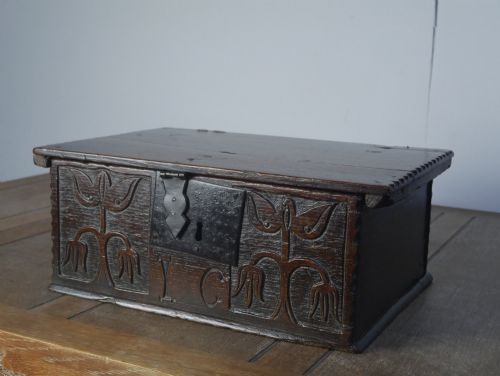
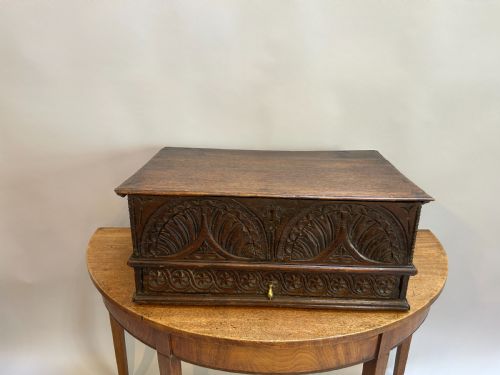
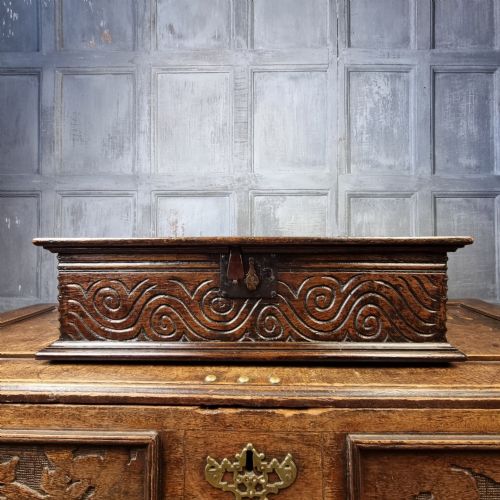
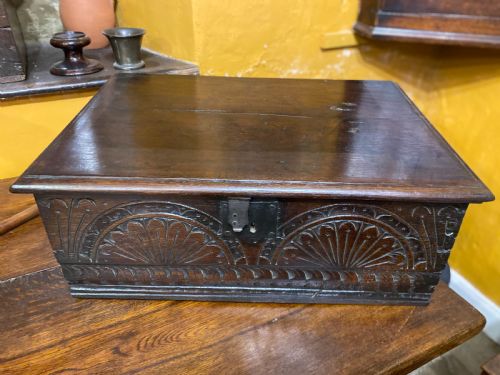
A period oak document box is a sturdy timber receptacle designed to hold papers and valuables, prized for its robust construction and rich historical character.
Period Oak Document Box
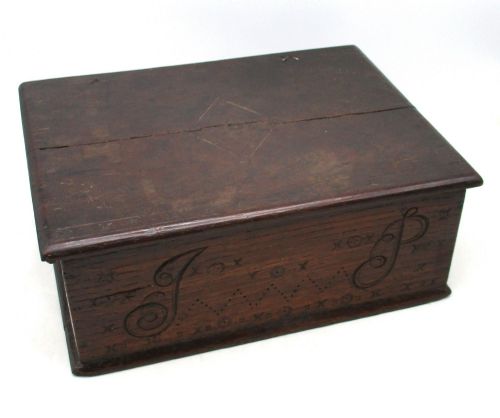
When you search for a period oak document box, you encounter compact wooden containers built to safeguard important letters, deeds, and household papers. Most examples on this page date from the seventeenth and eighteenth centuries, reflecting the domestic storage needs of those eras.
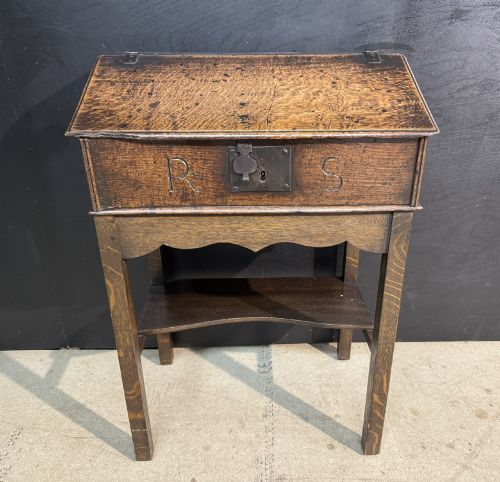
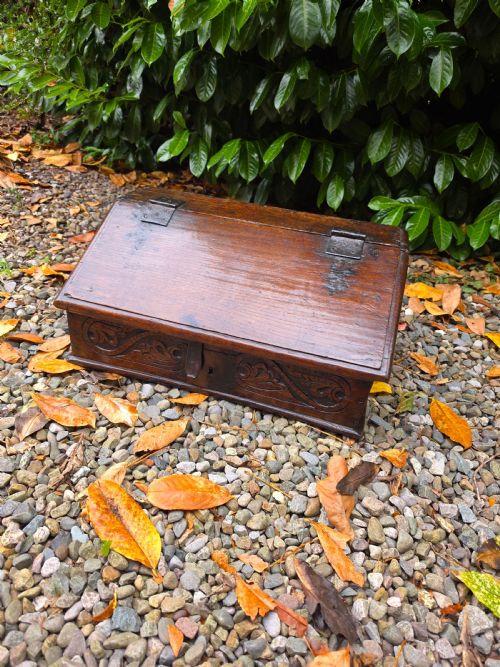
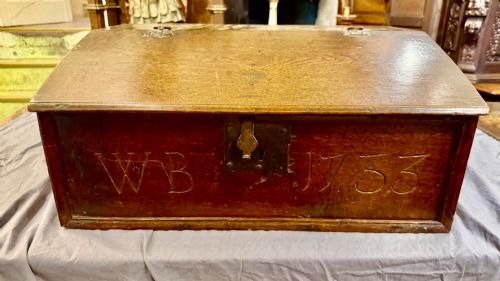
The forms vary from simple lidded chests and table boxes to slope-front bible boxes and small desk boxes. You are most likely to meet seventeenth-century pieces showing Jacobean or Charles II styles alongside eighteenth-century variants.
These pieces served as portable security before fitted furniture became common in homes. Their practical utility matches their architectural presence, making them appealing to collectors of early English woodwork.
Materials and construction methods
The primary material is solid oak, selected for durability and finished with hand-carved panels, mouldings, and occasionally contrasting holly and bog oak inlay. Joinery methods relied on pegged frames and boards rather than modern adhesives.
Hardware played a crucial role in the creation of these boxes, featuring forged iron, steel, and brass hinges, lock plates, and complex original mechanisms. The combination of dense timber and heavy metalwork ensured the security of the contents.
Listings feature oak boxes spanning the seventeenth and eighteenth centuries, incorporating iron, steel, brass, holly, and bog oak materials.
Distinguishing features of quality
Quality in these boxes rests upon the crispness of the hand-carving and the integrity of the original timber construction. Pieces featuring intact period locks and hinges command greater interest from discerning buyers.
Proportion and surface patination further define the hierarchy of examples. Well-preserved seventeenth-century surfaces display depth and warmth that inferior or heavily restored examples lack.
The Period Oak Document Box Glossary
- Bible box
- A small wooden chest originally built to hold a family Bible, often featuring a sloping lid that doubled as a reading or writing rest.
- Desk box
- A portable container designed with a flat or slanted top to provide a stable surface for writing letters and storing stationery.
- Jacobean
- An architectural and decorative style spanning the early seventeenth century, noted for geometric mouldings and strapwork carving.
- Bog oak
- Subfossil oak buried in peat bogs for centuries, turning a deep dark brown or black, used here for decorative inlay work.
- Slant front
- A hinged lid angled towards the user, commonly found on boxes and writing slopes designed for correspondence.
Period Oak Document Box: Frequently Asked Questions
What is a period oak document box?
A period oak document box is a small wooden chest constructed to protect valuable papers, letters, and books in early households.
These pieces date primarily from the seventeenth and eighteenth centuries and reflect the styles of the Jacobean, Charles II, and Georgian periods.
How were document boxes used historically?
People utilised these boxes to secure important legal deeds, personal correspondence, and family Bibles from theft and damage.
Because homes lacked built-in closets, these portable containers kept vital documents safe and organised in one place.
How do I tell a seventeenth-century box from an eighteenth-century one?
Seventeenth-century examples often display heavier timber framing, geometric panel carving, and styles associated with the Charles II period.
Eighteenth-century versions frequently show simpler surfaces, occasional holly and bog oak inlay, or slant-front configurations.
How should I care for an oak document box?
Keep the box away from direct heat sources and dramatic humidity fluctuations to prevent the oak timber from splitting.
Applying a traditional beeswax polish helps maintain the finish and protects the surface patination over time.