


Antique Oak Keepsake Box
An antique oak keepsake box serves as a sturdy timber receptacle for small treasures, offering durable construction and centuries of tactile charm.
Antique Oak Keepsake Box
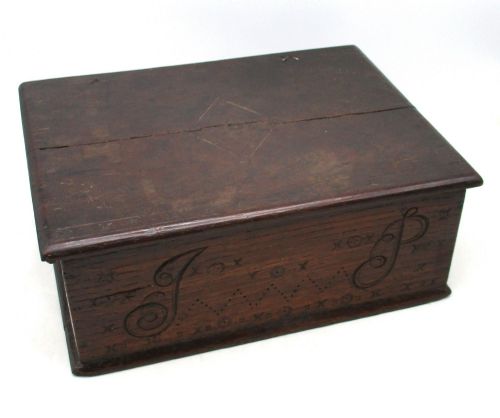
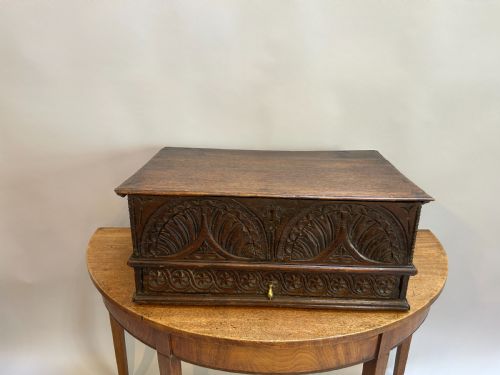
An antique oak keepsake box represents a traditional container fashioned for holding letters, trinkets, and personal documents. Buyers exploring this selection encounter items spanning from the seventeenth century through the Edwardian era, encompassing diverse regional forms.
How they were made
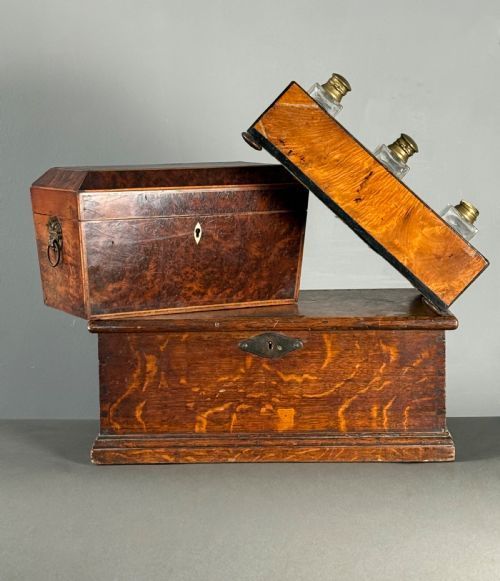
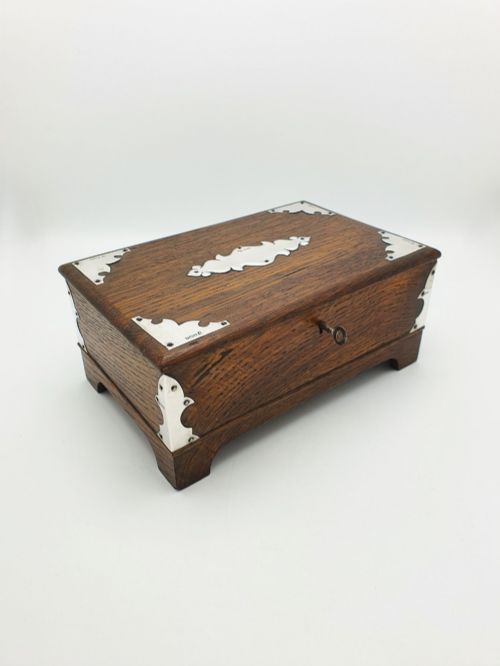
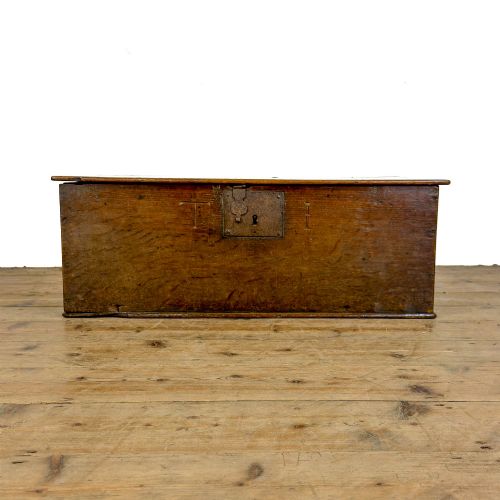
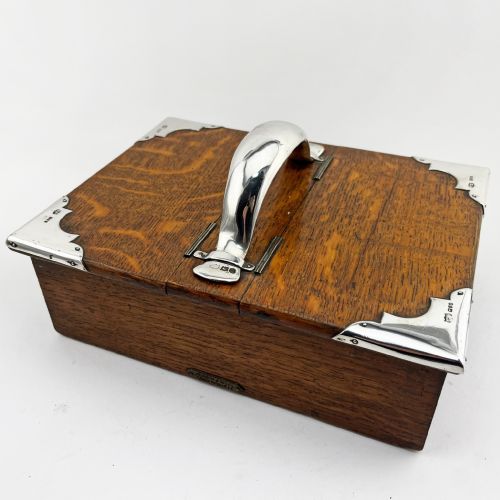
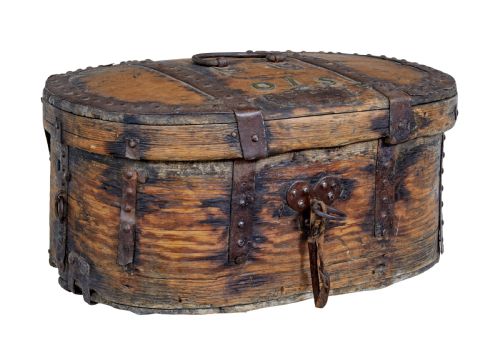
Carpenters constructed these boxes primarily using solid oak boards, frequently enhanced with walnut, hardwood, or pollard oak veneers. Structural reinforcement relied upon hand-forged iron bindings, brass hinges, and sterling silver mounts.
Surface ornamentation involved chip carving, relief work, and occasional mother-of-pearl or bone details inlaid into the timber. Interiors sometimes featured lacquer work, compartments, or textile linings suited to the storage of cigars, gloves, or letters.
One recorded box hides secrets within its pages, masquerading as an Art Nouveau carved book safe.
What varies in quality
Quality differences depend upon the crispness of the hand-carved panels and the integrity of the original joints. Pieces featuring integrated drawers, demi-lune front panels, or specific historical provenances generally display superior joinery and design ambition.
The preservation of original metalwork, including brass hinges, locks, and iron binding, influences the overall character of the piece. Finer examples maintain their original surface patination and structural hardware without extensive modern replacements.
Mappin & Webb
The Antique Oak Keepsake Box Glossary
- Bible box
- A sloping-lidded wooden chest originally designed to store sacred texts and personal papers in seventeenth-century households. These pieces often rest on tables and feature chip-carved decoration.
- Coffor Bach
- A Welsh miniature chest or box featuring a small drawer beneath the main lidded compartment. Translating from the Welsh as little chest, these items served as traditional presentation pieces.
- Document box
- A compact lidded receptacle intended for the safekeeping of legal papers, letters, and deeds. Examples typically date from the seventeenth and eighteenth centuries.
- Campaign box
- A portable wooden container built for military officers on active service, often fitted with recessed brass handles and reinforced corners. These rugged pieces frequently display regimental arms or inscriptions.
- Presentation box
- A commemorative wooden container awarded or presented on specific historical dates, sometimes bearing engraved silver plaques or dedication shields. They reflect specific civic, military, or domestic milestones.
Antique Oak Keepsake Box: Frequently Asked Questions
What did people store in an antique oak keepsake box?
Households utilised these timber receptacles to safeguard letters, legal documents, Bibles, and personal valuables. Smaller examples accommodated gloves, cigars, and trinkets.
Over the centuries, these boxes adapted to changing domestic needs, serving as desktop storage for correspondence or secure containers for family mementoes.
How do I distinguish seventeenth-century boxes from Victorian ones?
Seventeenth-century pieces typically display hand-carved motifs, chip carving, and heavy board construction with iron or brass hardware. Their proportions often reflect table-top bible or document box forms.
Victorian and Edwardian boxes frequently introduce machine-sawn elements, varied wood veneers like pollard oak, and refined mounts in sterling silver. Makers in the later periods also produced specialised forms such as cigar boxes and presentation cases.
What is a coffor bach?
A coffor bach is a traditional Welsh miniature chest featuring a lidded top above a single small drawer at the base. Artisans constructed these small pieces in oak during the eighteenth century.
They often functioned as keepsake containers or bridal presentation boxes, combining the storage of a chest with the utility of a drawer.
How should I care for an antique oak box?
Keep the timber away from direct heat sources and fluctuating humidity to prevent the oak from warping or splitting. Maintaining a stable environment preserves the original surface patination.
Apply occasional appropriate wax polish to nourish the wood and protect the grain without obscuring historic tool marks or metal mounts.