





Victorian Carved Oak Box
When you search for a victorian carved oak box, you meet a dense range of utilitarian containers shaped by revivalist enthusiasm.
Victorian Carved Oak Box
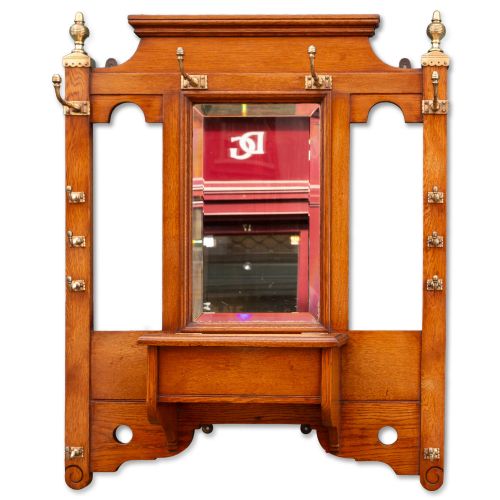
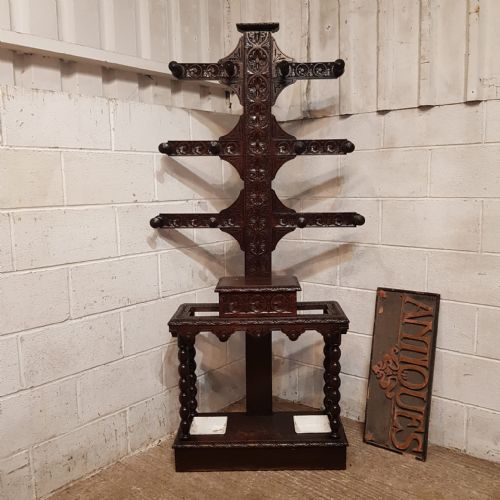
A victorian carved oak box encompasses a wide domestic category, spanning small table-top stationery caddies, wall-mounted letter racks, candle holders and larger fireside purdoniums. The form shifts easily from intimate desk accessories to heavy entrance hall furniture equipped with hinged seats.
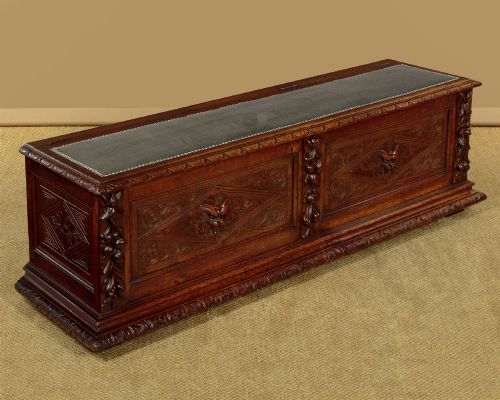
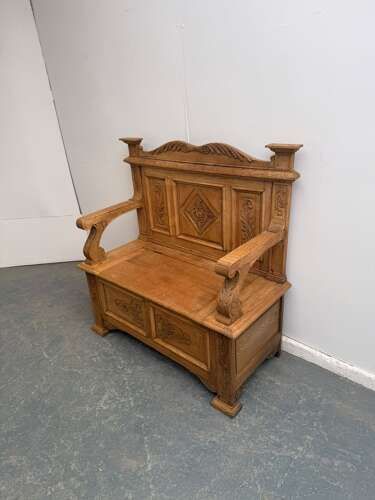
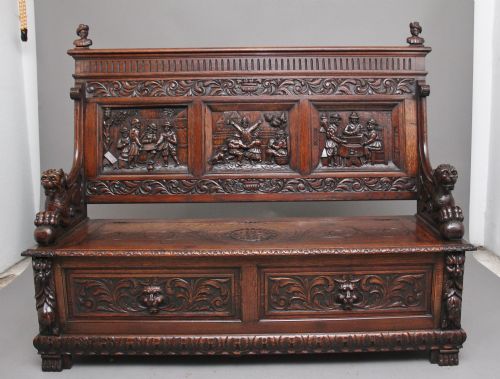
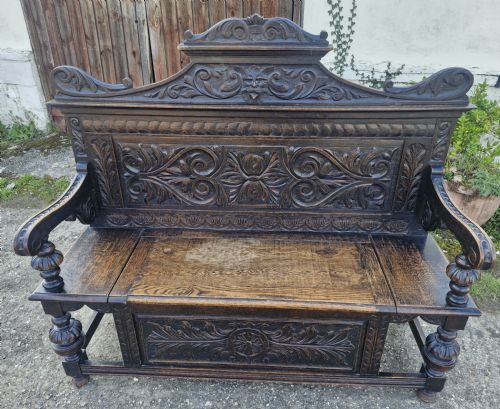
Large proportions dominate the heavier hall furniture, such as box settles and monks benches, designed to provide both seating and concealed interior storage. Smaller tabletop variations include tea caddies, biscuit barrels and glove boxes, heavily ornamented with period motifs.
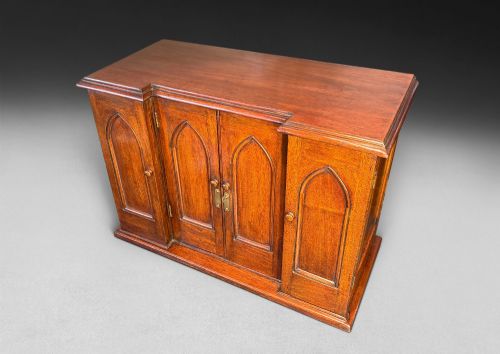
The aesthetic vocabulary leans heavily on historical revivals, displaying Gothic arches, Jacobean strapwork and folk art carvings alongside fierce Green Man masks. Pieces emerge predominantly from nineteenth-century English workshops, maintaining a robust architectural presence across both small and large formats.
How they were made
Makers utilised solid timber and dense hardwoods, frequently selecting figured pollard oak for decorative impact on primary display surfaces. Natural grain patterns were enhanced through waxing, bringing out the depth of the carved panels.
Construction relied on sturdy joinery, reinforced with brass hinges, iron handles and stamped metal liners for damp fuel storage. Details such as silver plate mounts and copper embossing were applied to elevate functional receptacles into decorative drawing room objects.
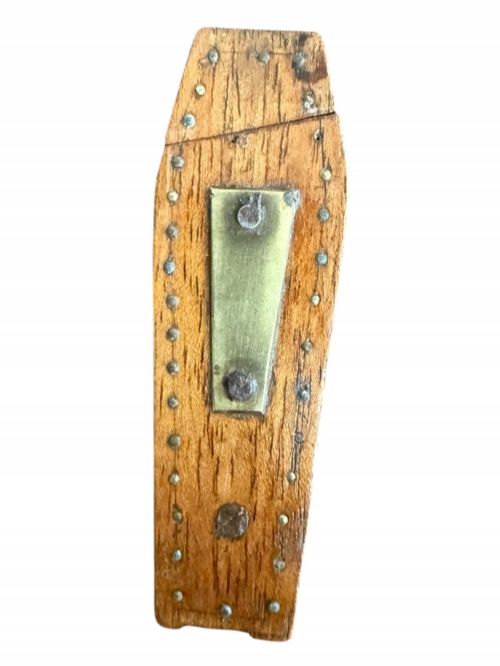
Makers carved tiny puzzle boxes, snuffs shaped like coffins, and hidden compartments into everyday stationery storage for secret keepsakes.
What varies in quality
The depth and execution of the chisel work dictate the upper tier of craftsmanship, separating mechanical chip-carving from deeply undercut architectural relief. Crisp detailing on motifs like foliage, lions and mask faces indicates a more accomplished hand.
Original hardware integrity separates standard utilitarian items from superior examples equipped with matched brass handles, functioning locks and original interior metal liners. The choice of timber selection also plays a role, with choice pollard grains commanding greater visual interest than plain stock.
Christopher Dresser·Tahan of Paris·Manoah Rhodes & Sons Ltd·Boothroyd Sons & Rimmer
The Victorian Carved Oak Box Glossary
- Purdonium
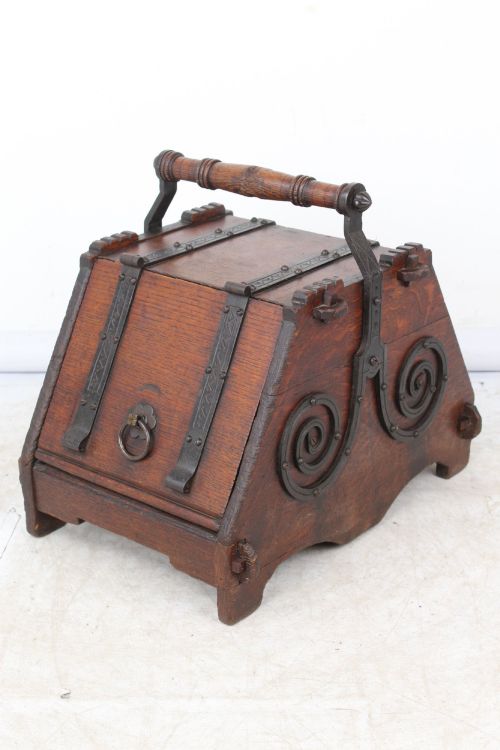
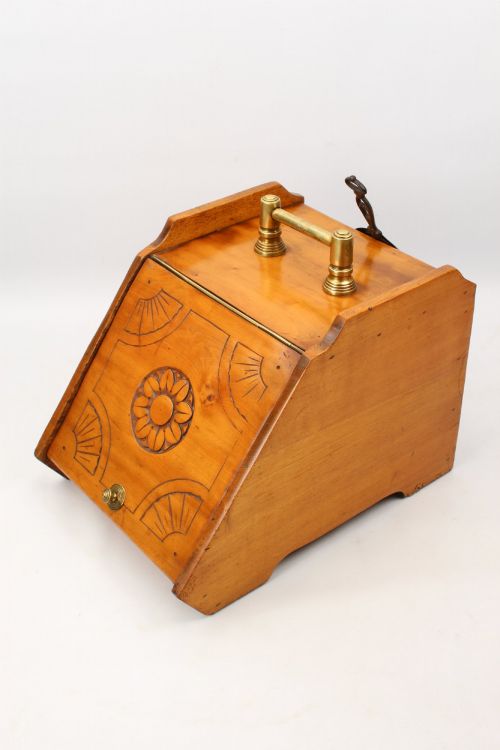
- A specialised household container designed for storing domestic coal by the fireside, usually featuring a sloping front and a fitted metal liner. These items often incorporate brass handles and matching coal shovels.
- Settle
- A wooden bench featuring high backs, solid arms and a concealed box compartment beneath the hinged seat. They were historically placed in hallways to block draughts while providing storage.
- Green Man
- An architectural and decorative motif depicting a human face carved with foliage or vines sprouting from the mouth. It appears frequently on nineteenth-century revival woodwork.
- Tantalus
- A locking wooden frame holding glass decanters securely visible while preventing unauthorized access to the contents. They are typically mounted with brass mechanisms and locks.
- Coffer
- A heavy chest traditionally used for storing valuables, linens or documents, constructed with thick panels. Nineteenth-century versions frequently adopted earlier seventeenth-century stylistic elements.
Victorian Carved Oak Box: Frequently Asked Questions
What is a purdonium?
A purdonium is a dedicated domestic coal container developed during the nineteenth century to keep fuel tidy beside the hearth. They often feature an interior metal liner and a shovel stored in a side rack.
These receptacles allowed households to store coal close to the fireplace while maintaining the tidy aesthetics of a Victorian drawing room. The exterior woodwork typically matched the heavy oak furniture of the period.
How are box settles used?
Box settles serve as dual-purpose furniture pieces, functioning as hallway seating while offering deep interior storage under the hinged bench. They were traditionally positioned near entrances to store boots, heavy outerwear and blankets.
The high wooden backs of these settles provided protection against cold draughts from front doors. Their robust construction made them a practical fixture in both country houses and urban villas.
What defines Gothic Revival style?
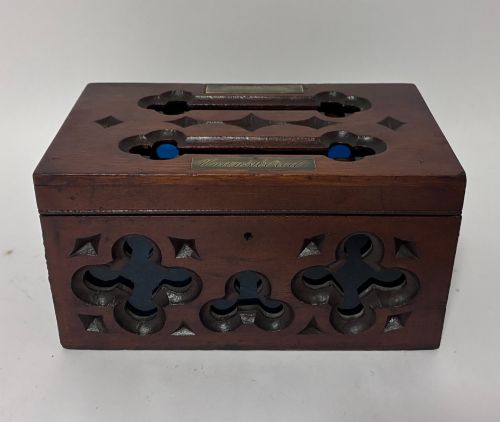
Gothic Revival woodwork draws inspiration from medieval architecture, featuring pointed arches, tracery, quatrefoils and heavy structural mouldings. Makers applied these historic architectural elements to everyday boxes and hall furniture.
This aesthetic flourished during the nineteenth century as designers sought to reconnect with medieval craftsmanship. The resulting pieces project a solemn, substantial presence through dark waxed oak surfaces.
How do I care for antique oak?
Antique oak requires stable environmental conditions away from direct heat sources and excessive moisture to prevent timber splitting. Regular gentle dusting with a dry cloth helps preserve the waxed surface finish.
A light application of appropriate furniture wax periodically feeds the dry hardwood and maintains its lustre. Avoid silicone-based polishes that can degrade the historic finish over time.