





Dark Navy Wool Rug
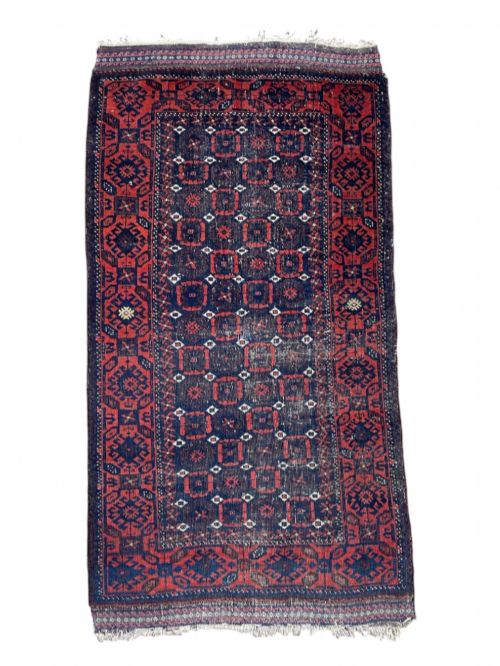
A dark navy wool rug grounds a room with deep indigo and midnight tones woven by nomadic and village weavers across Persia, the Caucasus, and Anatolia.
Dark Navy Wool Rug
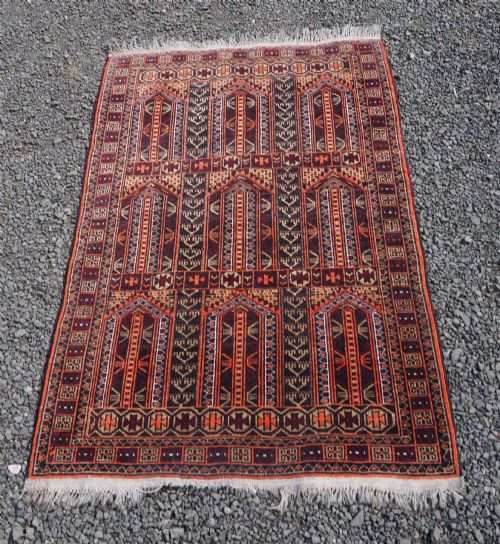
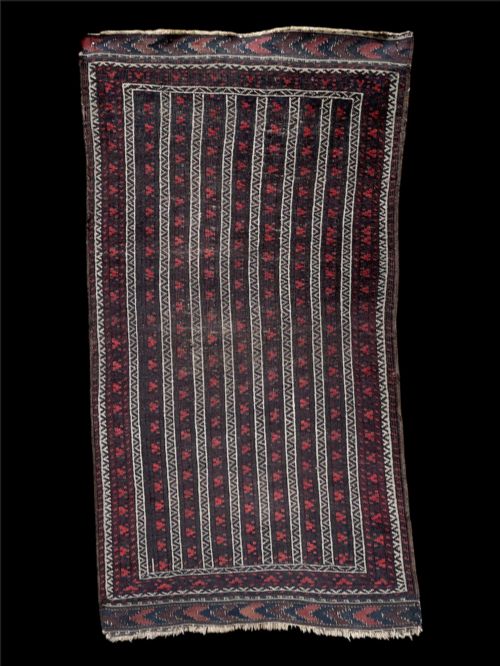
A dark navy wool rug brings together pieces originating from tribal and village workshops in regions such as Khorassan, Baluchistan, and the Caucasus, dating from the nineteenth and early twentieth centuries. The selection encompasses floor coverings including area rugs, narrow hallway runners, and prayer rugs, alongside smaller textile forms like cushions and tribal bag faces.
Buyers encounter examples shaped by specific regional traditions, from Afghan Baluch prayer rugs with mihrab designs to Persian Khamseh, Qashqai, and Senneh carpets. These items reflect the utilitarian artistry of nomadic groups and village weavers who utilised local iconography and traditional compositions.
The materials and formats vary according to the producing tribe or region, presenting format options ranging from compact scatter rugs to substantial carpets. Each piece demonstrates the distinct weaving methods characteristic of its geographic origin and period of manufacture.
What varies in quality
The quality of a piece is determined by the density of the weave and the precision of the knotting, which dictates the clarity of intricate motifs like the Herati or Mina Khani designs. Finer knots permit greater detail and structural integrity, setting complex tribal work apart from simpler village productions.
The depth and permanence of the coloration distinguish individual pieces, as natural dye saturation creates rich, varied tones across the wool surface. Superior examples maintain balanced proportions, clear iconography, and resilient wool quality that withstands heavy foot traffic.
Listings span the nineteenth and early twentieth centuries, featuring wool and cotton materials across Persian, Caucasian, and Anatolian tribal traditions.
The Dark Navy Wool Rug Glossary
- Mihrab
- The arched niche design found on prayer rugs, pointing toward Mecca during Islamic worship. It often appears as a single or double arch within Baluch and Caucasian pieces.
- Herati
- A repeating botanical pattern featuring a central rosette enclosed by a diamond and flanked by curved leaves. This traditional motif occurs frequently in Persian and Baluch carpets.
- Mina Khani
- An all-over geometric floral pattern composed of daisy-like blossoms linked by delicate curved vines. Artisans in Khorassan and surrounding regions utilised this balanced layout.
- Warp
- The stationary vertical threads stretched onto the loom that form the structural skeleton of the rug. Cotton and wool serve as the primary materials for these foundational threads.
- Weft
- The horizontal threads passed across the warp strands to lock the rows of knots in place. Beating the weft tightly ensures a dense and stable fabric structure.
Dark Navy Wool Rug: Frequently Asked Questions
How do I care for a vintage wool rug?
Vacuum the rug gently without using a rotating brush roll to protect the wool pile from unnecessary friction and fibre loss. Professional cleaning suited for antique textiles preserves the natural lanolin and structural integrity of the weave.
Keep the rug out of direct, continuous sunlight to prevent the deep navy dyes from fading unevenly over time. Rotating the piece periodically ensures even wear across high-traffic areas.
Where were these tribal rugs made?
The pieces originate from nomadic tribes and village communities across Persia, Afghanistan, the Caucasus, and Anatolia. Regions such as Khorassan, Sistan, and Fars produced distinct weaving traditions tied to specific tribal groups.
Local access to grazing lands determined the availability of sheep's wool, while regional dye sources influenced the characteristic dark navy and indigo palettes found in these textiles.
What is a prayer rug?
A prayer rug is a smaller format textile featuring a distinct arched niche, known as a mihrab, designed to indicate the direction of prayer. Weavers from Baluch, Afghan, and Caucasian traditions frequently incorporated this symbolic architectural motif into their work.
These pieces served functional religious purposes within nomadic and village daily life, often displaying intricate prayer arches and protective amulets woven into the border designs.
How can I tell the age of a rug?
Age is indicated by the construction materials, natural dye variations, and the specific tribal attributions recorded in the piece. Hand-spun wool with subtle tonal shifts in the navy ground often points toward nineteenth or early twentieth-century production.
Structural characteristics, such as selvage finish and knot density, align with the historical periods documented in regional weaving traditions. Comparing structural details helps contextualize the date of manufacture.