



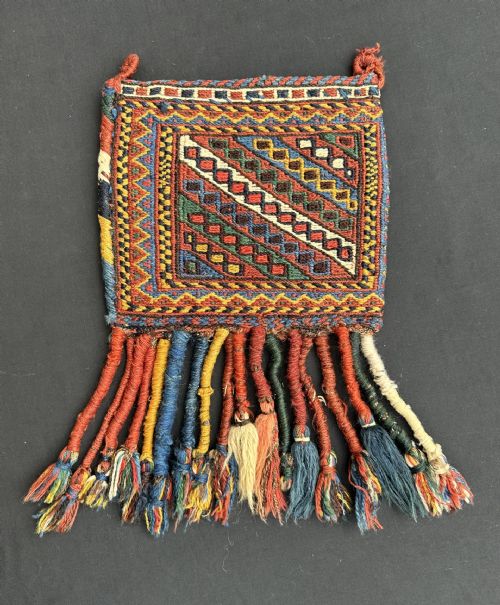
South Persia Rug
A south persia rug brings the geometric spirit of nomadic weavers into a room through rich tribal patterns and saturated dyes.
South Persia Rug
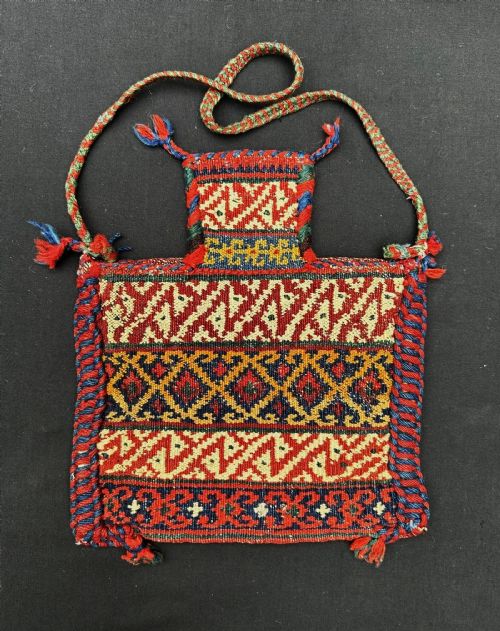
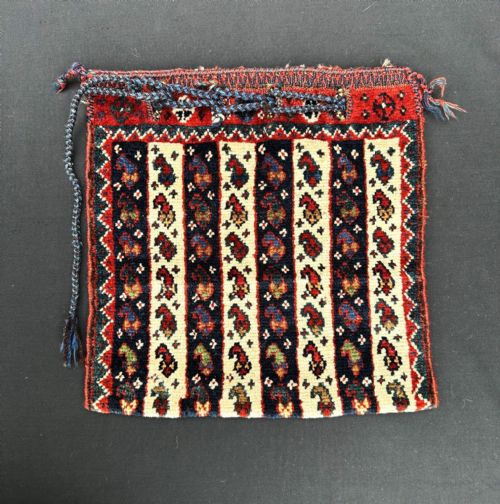
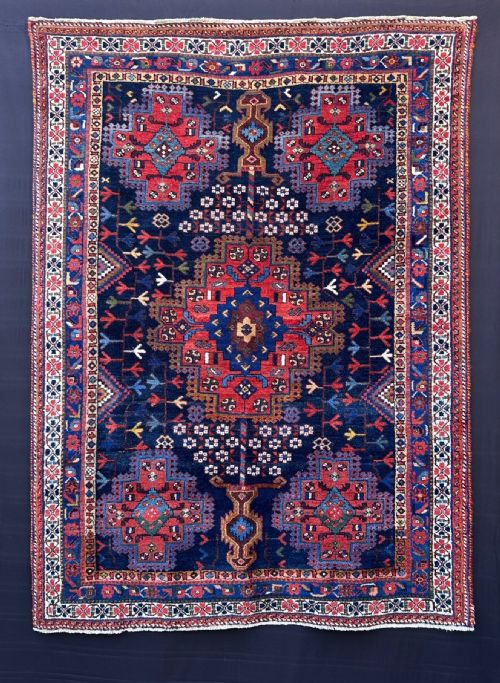
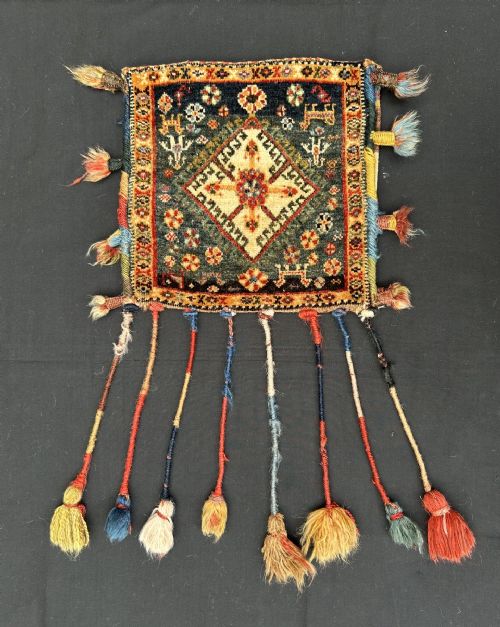
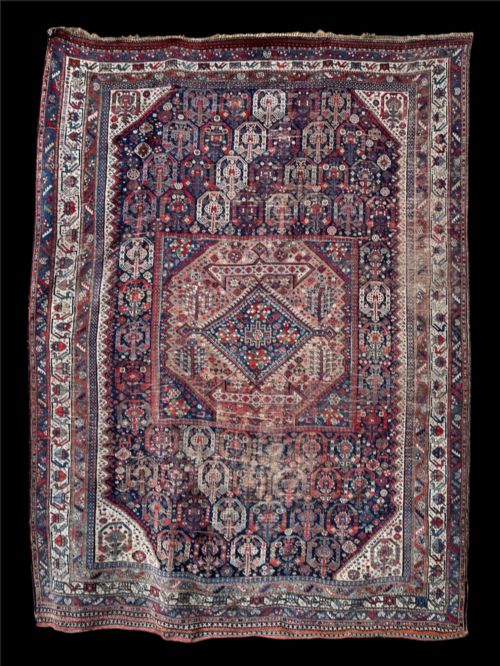
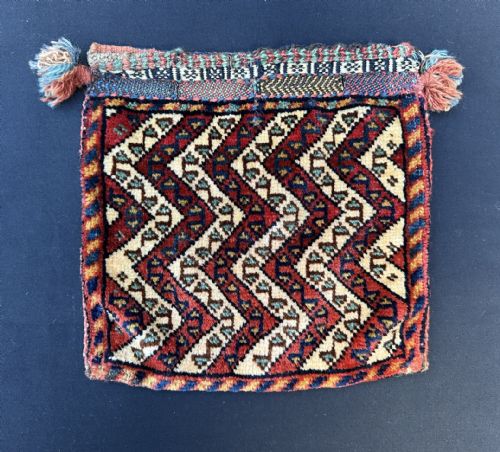
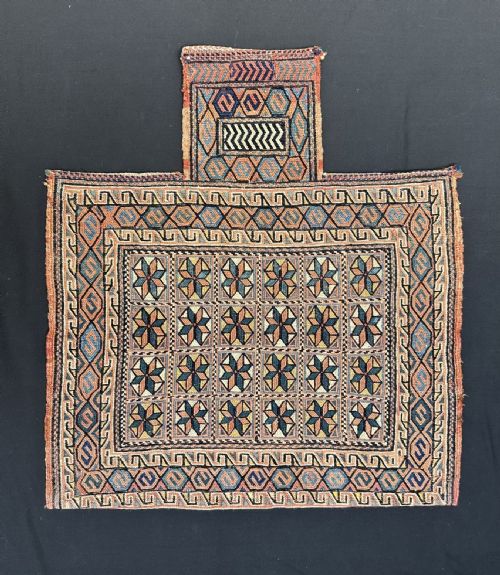
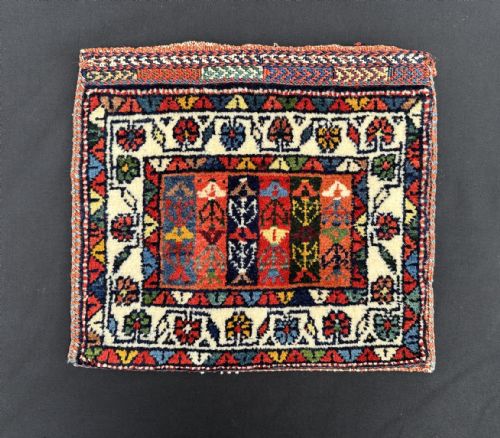
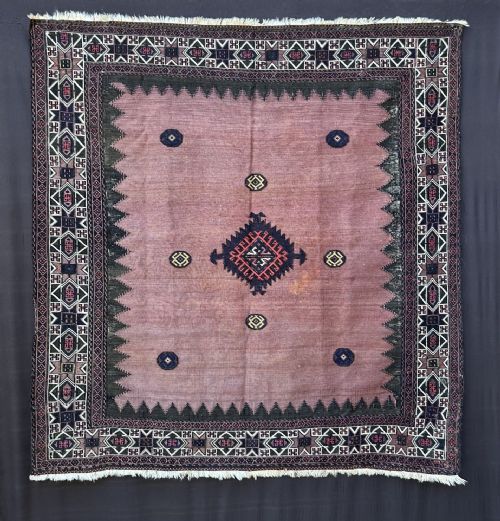
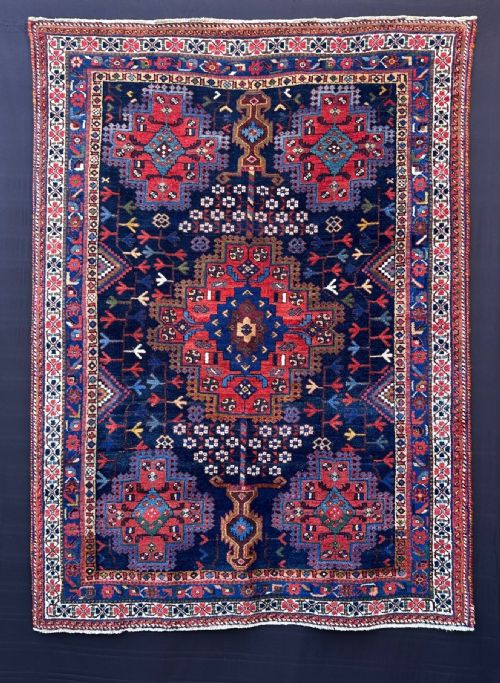
When exploring a south persia rug, you encounter woven works originating from nomadic confederacies and tribal groups settled across Fars and Kerman provinces. These pieces encompass full-sized floor coverings alongside functional tribal weavings such as saddle bags, bread sofreh, and vanity bags.
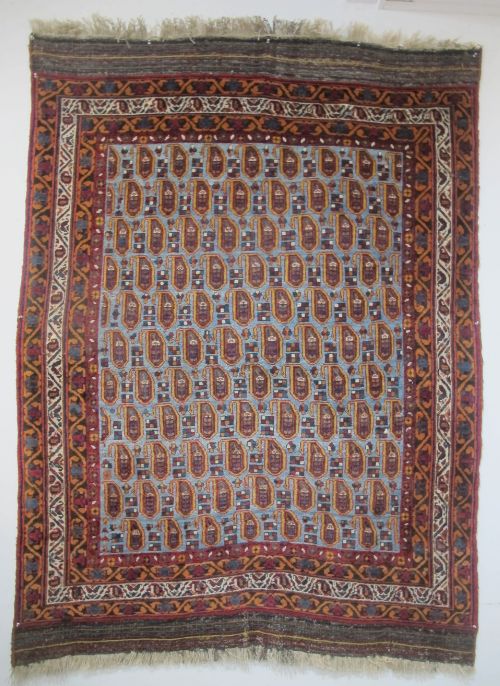
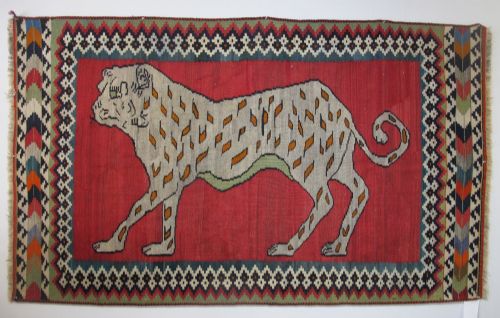
The selection ranges from finely knotted Afshar pieces featuring small medallions and boteh motifs to vibrant Qashqai kilims and Khamseh carpets. Each textile carries the distinct design vocabulary of specific sub-tribes and regional weaving traditions.
How They Were Made
Weavers utilised hand-spun wool for the pile and structure, frequently combining it with cotton foundations for stability and strength. Natural dyes sourced from regional plants and minerals provided the deep colour palette seen across these textiles.
Construction techniques include intricate knotting for pile rugs alongside flatweaving methods used for kilims, soumaks, and various utilitarian tribal bags. Artisans occasionally incorporated details such as leather and cowrie shells into specific functional containers.
South Persia Rug Retail Price Guide 2026
Typical asking prices for south persia rug among the pieces listed under this phrase on Sellingantiques today, from the lower quarter to the upper quarter. They describe what is for sale here now, not the wider market.
Certain nomadic bags preserve original cowrie shells and leather attachments, adding a tactile layer of historical survival.
What Varies In Quality
The standard of a south persia rug rests upon the precision of the knotting, the handling of the wool, and the depth achieved by natural dyes. Finer examples display tight structures and sharply articulated geometric or botanical motifs.
Design execution and regional authenticity distinguish exceptional pieces from simpler utilitarian items. The clarity of the drawing within medallions and borders reveals the skill level of the individual tribal weaver.
The South Persia Rug Glossary
- Boteh
- A stylised almond or pear-shaped motif representing a sprouting bush or floral spray. This ancient symbol appears frequently in Afshar and Khamseh designs.
- Sofreh
- A flatwoven spread or cloth utilised for handling bread or sharing meals within nomadic households. These textiles exhibit striking geometric field patterns.
- Soumak
- A flatweaving technique that wraps supplementary weft threads around the warp to create a durable, textured surface. It provides a distinct braided appearance on the reverse.
- Kilim
- A tapestry-woven carpet or textile produced without a pile. These pieces rely on interlocking weft threads to form sharp geometric patterns.
- Confederacy
- An alliance of various nomadic tribes united under shared leadership within the Fars or surrounding regions. Such groups developed distinct collective weaving styles.
South Persia Rug: Frequently Asked Questions
What is a south persia rug?
A south persia rug is a hand-knotted or flatwoven textile created by nomadic and village tribes residing in the southern provinces of Iran. These pieces are characterised by tribal geometric designs and animal or floral motifs.
They reflect the cultural heritage of specific confederacies such as the Qashqai, Afshar, and Khamseh. Each rug serves as a durable floor covering imbued with traditional symbolism.
How do I live with a tribal rug?
Living with a tribal rug involves placing the textile in low-to-medium traffic areas where its wool pile and natural dyes can be appreciated safely. Using a quality underlay prevents slipping and cushions the weave against hard flooring.
Regular gentle vacuuming without a beater bar maintains the cleanliness of the wool. Direct, harsh sunlight should be managed to protect the natural dye colours over time.
How do I identify different tribal styles?
Identifying tribal styles requires examining the specific colour combinations, structural materials, and repeating motifs unique to each region. Afshar pieces often display boteh patterns and precise geometric medallions originating from Kerman.
Qashqai and Khamseh textiles from Fars frequently incorporate rich madder reds, dark indigos, and complex striped or hooked layouts. Regional design quirks help separate one confederacy from another.