






Qashqai Nomadic Textile
These Qashqai nomadic textile pieces are authentic hand-knotted tribal weavings from south-west Persia that bring rich wool texture and deep history into a room.
Qashqai Nomadic Textile
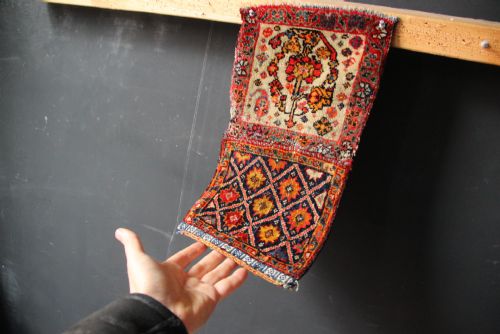
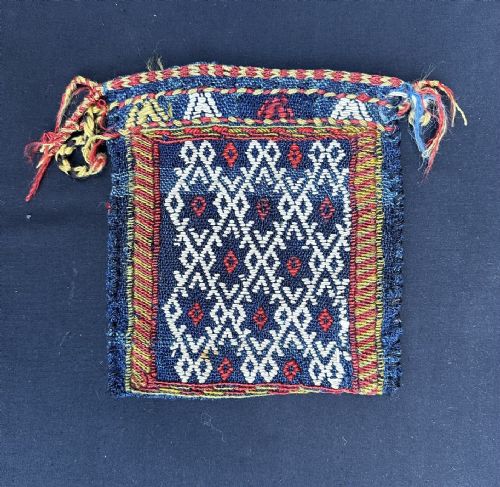
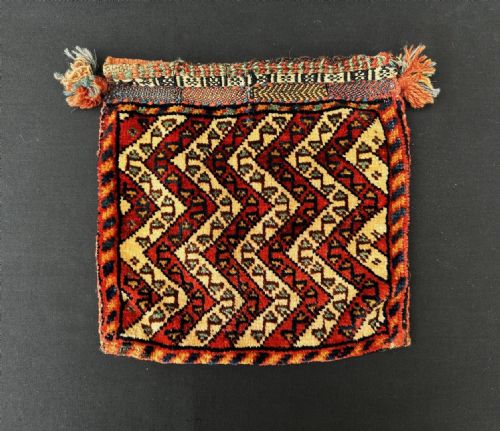
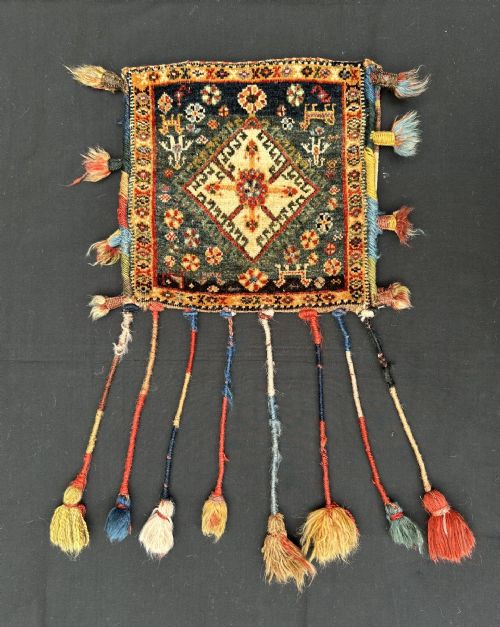
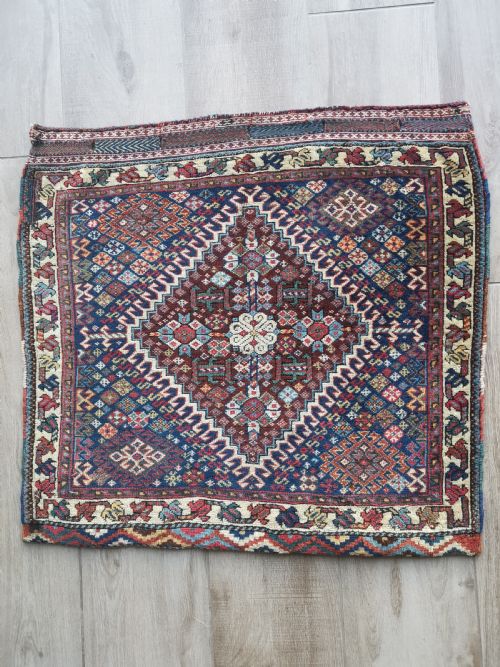
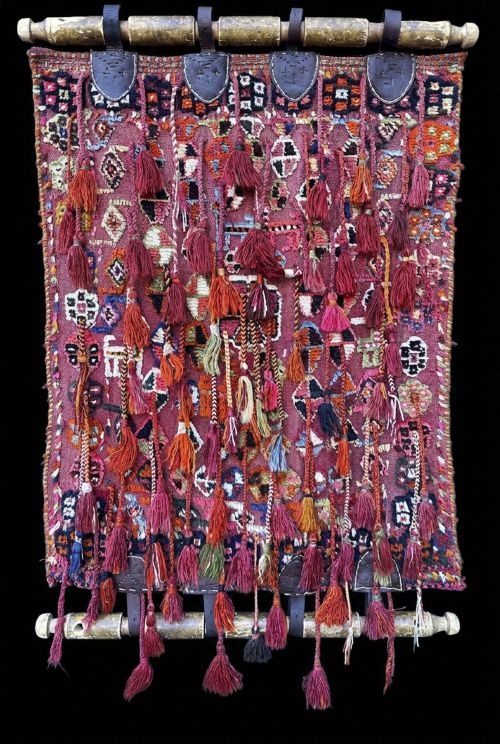
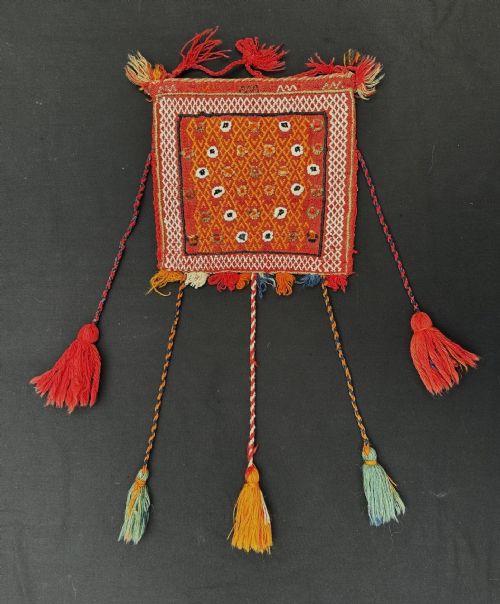
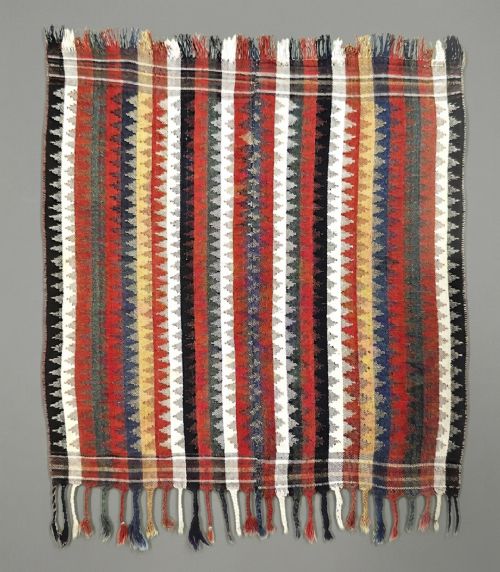
A qashqai nomadic textile encompasses a diverse range of tribal weavings originating from the Fars province in south-west Persia. Buyers searching this phrase encounter practical utility items transformed by tribal artistry, including vanity-bags, salt-bags, saddlebag faces, and horse blankets.
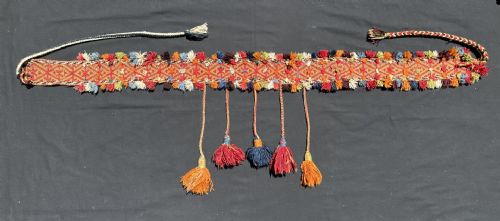
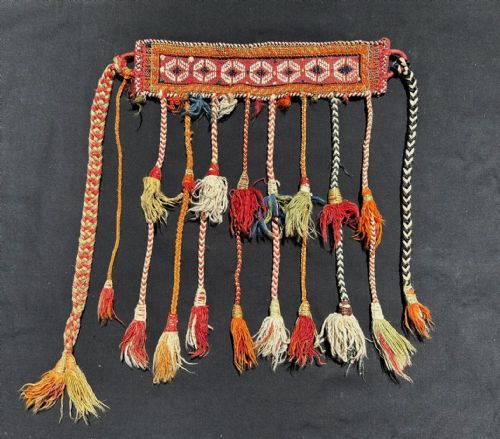
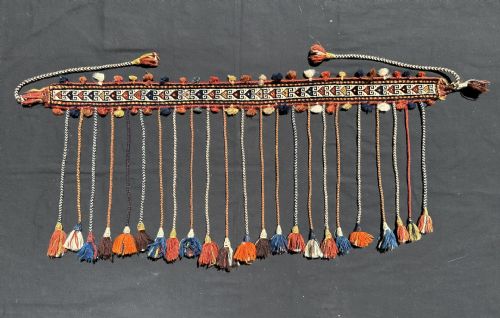
The pieces on this page heavily feature smaller functional forms such as animal trappings, spindle bags, and cushion covers alongside larger tribal rugs and wall hangings. These items reflect the nomadic pastoral lifestyle of the Qashqa'i confederacy and its sub-tribes.
Most examples date from the late nineteenth century up to the early twentieth century, spanning periods from 1880 through to 1930. The visual language relies on traditional Persian tribal and Qashqai tribal motifs executed with distinct regional character.
Materials and methods of construction
The foundation of a qashqai nomadic textile relies on natural materials harvested and processed by pastoralists, predominantly utilising hand-spun wool and cotton. Leather and wood occasionally supplement the textile structures, particularly in utilitarian items like cradles or storage containers.
Weavers employed traditional hand-knotting techniques to create dense, durable piles for bags, blankets, and rugs. Colouring was achieved through natural dyes applied to the wool, yielding rich tones that age gracefully over the decades.
Qashqai Nomadic Textile Retail Price Guide 2026
Typical asking prices for qashqai nomadic textile among the pieces listed under this phrase on Sellingantiques today, from the lower quarter to the upper quarter. They describe what is for sale here now, not the wider market.
The listings on this page span several decades of nineteenth and early twentieth-century production, running primarily from 1880 through to 1930.
Distinctions in quality and execution
Quality in a qashqai nomadic textile is determined by the tightness of the knotting, the precision of the tribal geometry, and the depth of the natural dyes. Superior examples exhibit exceptional fineness in the weave and clarity in the central medallion designs.
The handling of wool and the complexity of the specific tribal attribution, such as work from the Kashkuli Tayefeh or Darrehshuri sub-tribes, also influence the standing of a piece. Finer preparation of hand-spun materials results in a suppleness and durability that mark the better tier of survival.
The Qashqai Nomadic Textile Glossary
- Tayefeh
- A clan or sub-tribe within the broader Qashqa'i confederacy of south-west Persia. Specific tayefeh attributions often help identify particular design traits in weaving.
- Bagface
- The decorative front portion of a utilitarian tribal storage bag, woven to be displayed on animal flanks or tent walls. These survived independently after the back sections wore away.
- Moj
- A traditional Persian flat-woven coverlet or blanket produced by nomadic tribes for domestic use. They display bold striped or geometric patterns.
- Natural Dyes
- Colourants derived from plants, insects, and minerals rather than synthetic compounds. These dyes yield the harmonious, complex fading seen in nineteenth-century Persian textiles.
- Animal Trapping
- A utilitarian or ceremonial textile designed to adorn horses, donkeys, or camels during migrations and celebrations. They include horse blankets and decorative face pieces.
Qashqai Nomadic Textile: Frequently Asked Questions
What are these tribal bags used for?
Nomadic families utilised these bags for practical storage during seasonal migrations across south-west Persia. They held personal items, salt, water pipes, vanity gear, and domestic goods.
Today, collectors appreciate them as wall hangings, small carpets, or decorative cushions. Their robust construction suits them well for gentle modern interiors.
How do I identify a Qashqai piece?
Look for characteristic wool textures, traditional Persian tribal motifs, and specific regional attributions linked to the Fars province. Many pieces carry distinct tribal names associated with the confederacy.
The use of hand-spun wool and natural dyes provides strong contextual clues to their nineteenth-century origins.
How should I live with these textiles?
These weavings add warmth and historical texture to modern living spaces when displayed securely. Smaller bag faces make striking wall art or tabletop accents.
Keep them away from direct, harsh sunlight to protect the natural dyes. Gentle vacuuming without a rotating brush helps maintain the hand-spun wool pile.
What is a saddlebag face?
A saddlebag face is the decorative front panel of a paired livestock bag used by nomads on pack animals. When the utilitarian back panels deteriorated, the sturdy patterned fronts were preserved.
These panels function effectively as small square carpets or collectible textile fragments today.