


Dark Metal Statues
Dark metal statues span centuries of foundry work, bringing figures, animals and classical studies into domestic spaces.
Dark Metal Statues
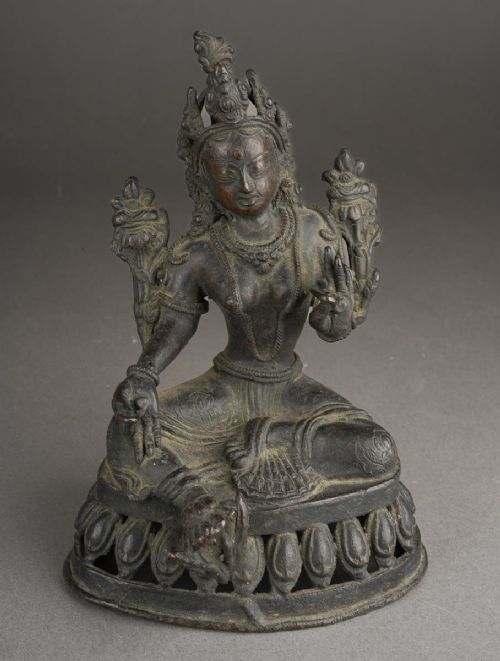
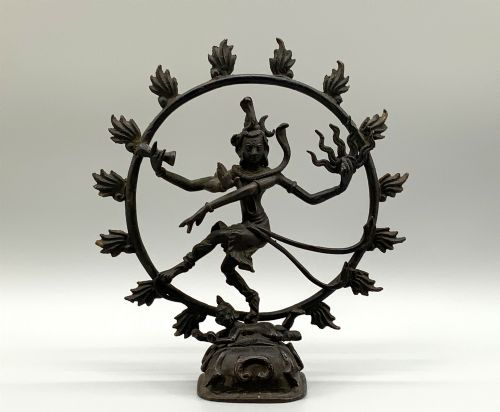
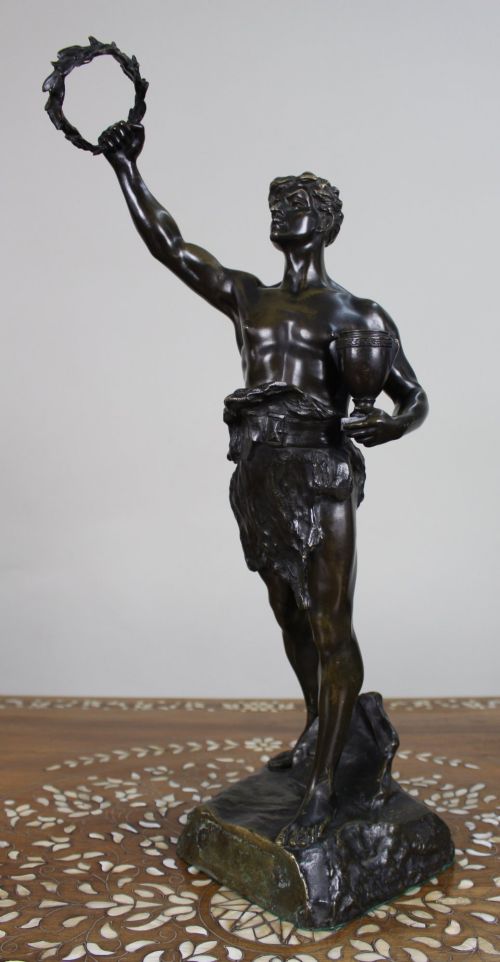
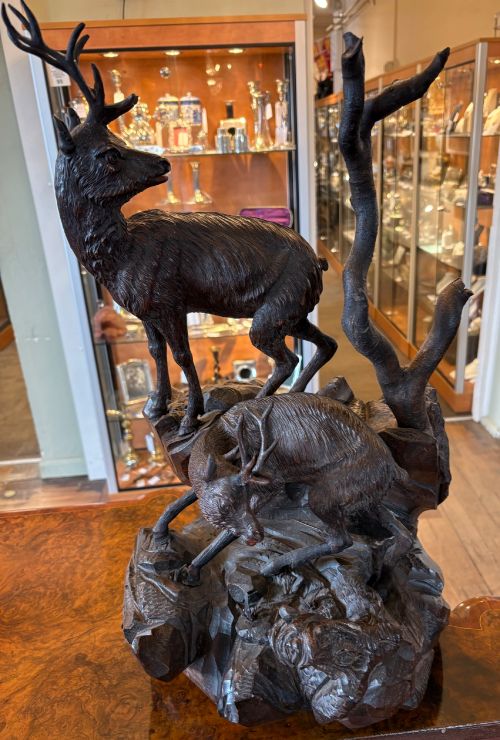
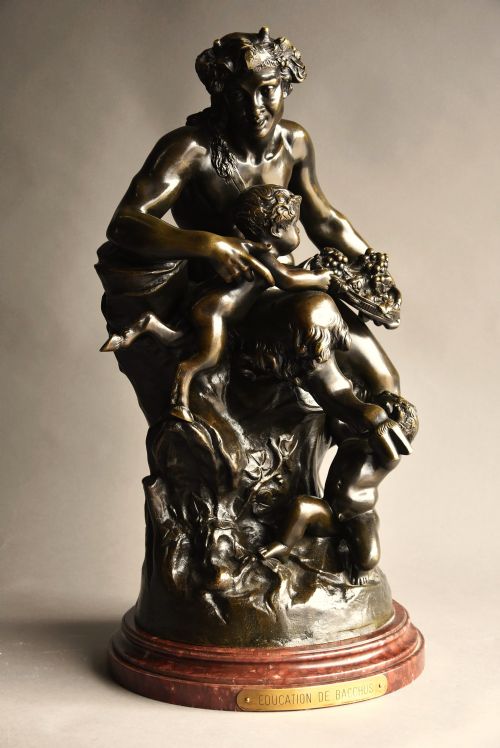
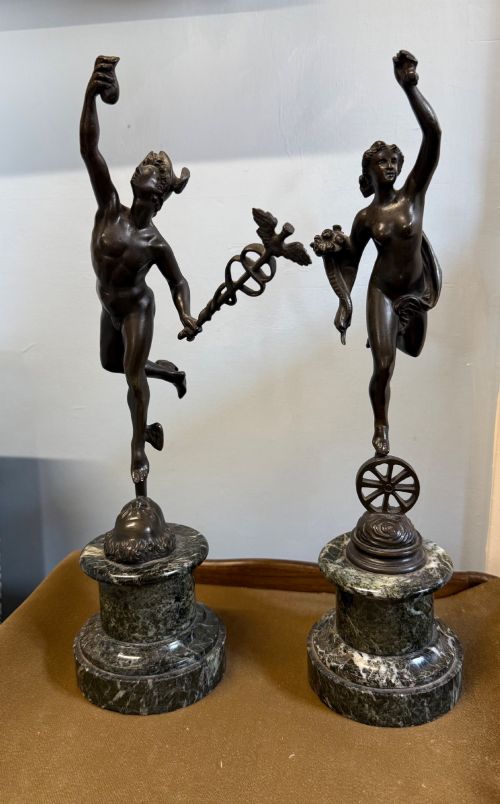
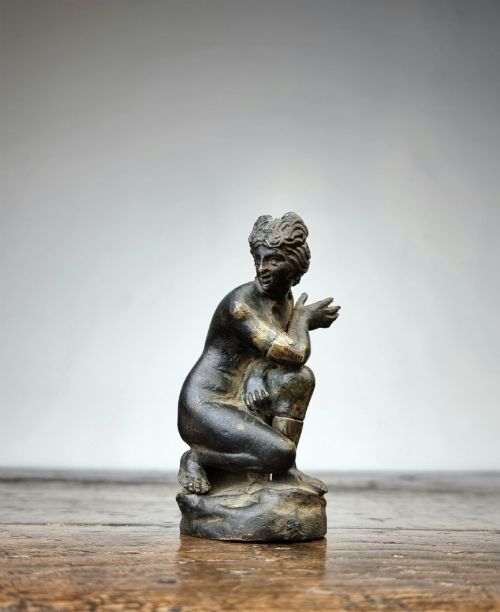
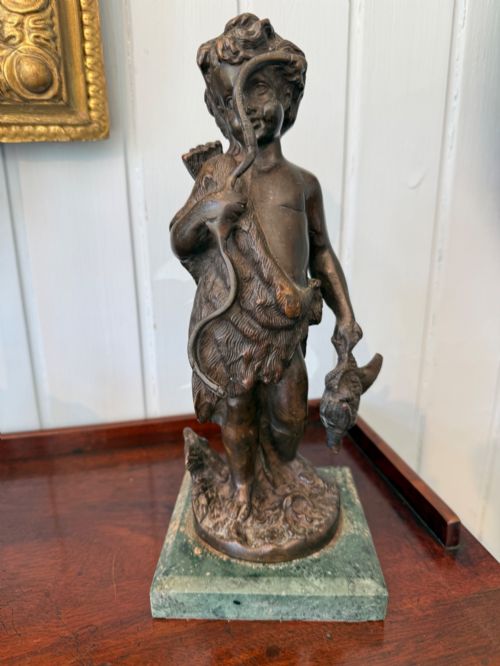
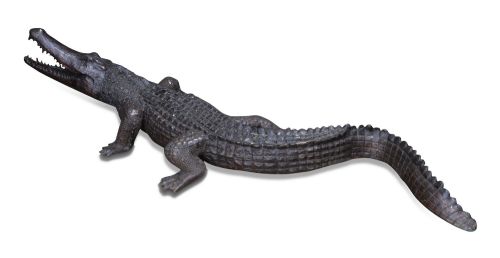
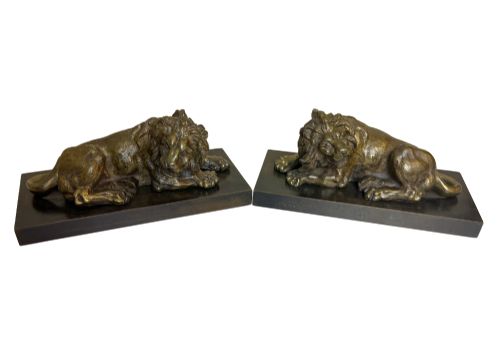
Dark metal statues encompass sculptures, statuettes and figural groups cast from copper alloys, iron and related dark-toned materials. These pieces range from classical figures on marble bases to Japanese okimono and animalier studies.
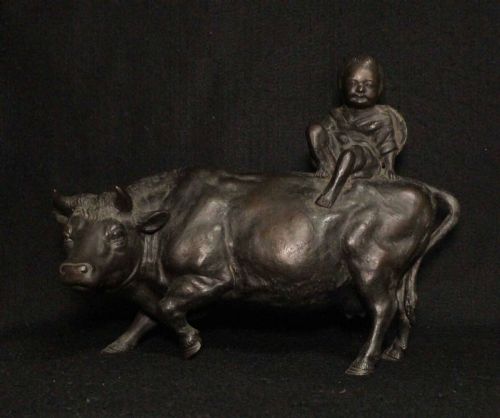
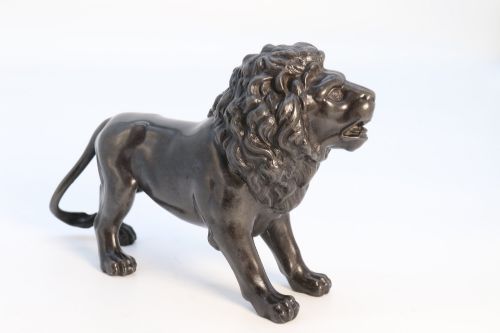
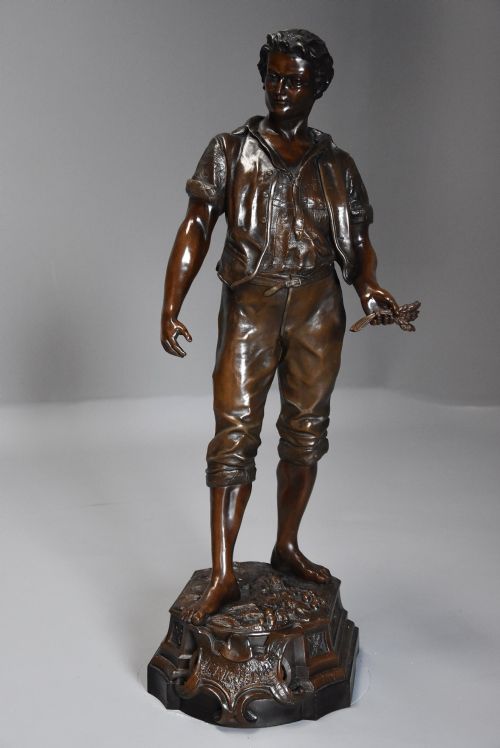
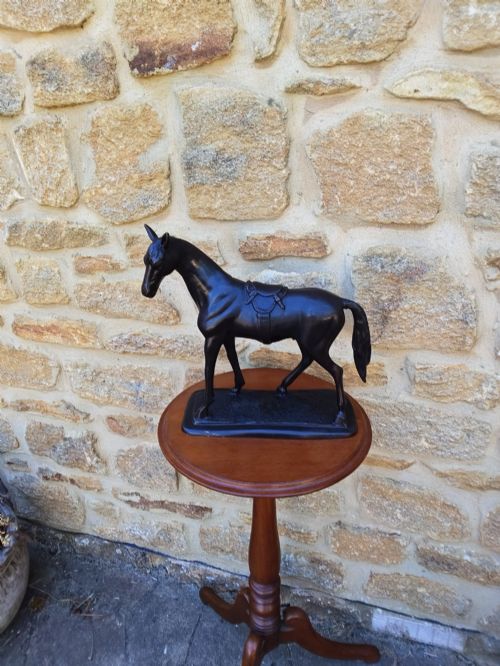
The selection on this page includes items originating from 17th-century workshops alongside 19th-century European foundries and Meiji period Japanese makers. Subjects span mythological figures, human laborers, architectural models and naturalistic animal studies.
Buyers encounter both heavy cast bronze compositions and lighter spelter or pewter alternatives treated with patination to achieve a dark surface. Many works derive from Grand Tour travels or specific academic sculptural traditions.
How they were made
Foundries primarily utilised the lost-wax casting method or sand casting to produce these metal sculptures. Molten bronze, brass or spelter poured into moulds captured fine details in hair, clothing and musculature.
Makers applied chemical patination or dark surface finishes to simulate age and enhance tonal depth across the metal. Many figures also incorporated gold inlay, mixed-metal elements or mounted bases of carved marble and wood.
Listings feature metal statues cast from the 17th century through the mid-20th century, utilising bronze, spelter, pewter, and marble.
What varies in quality
The sophistication of the patination and the integrity of the underlying metal alloy differentiate standard decorative items from masterworks. Heavier cast weight, signed foundry or artist marks, and well-fitted marble or wooden bases signal finer production standards.
Lemoyne·F. Milliot·Claude Michel Clodian·Frederic Remington·Christophe Fratin·Henry Wissen Senior·Jean Jules Salmson
The Dark Metal Statues Glossary
- Bronze
- An alloy consisting primarily of copper, traditionally mixed with tin, used extensively for durable cast sculptures. It develops a stable surface patina over time.
- Spelter
- A zinc or lead-tin alloy utilised as an economical substitute for bronze in decorative figures. It is softer than bronze and typically carries a dark painted or bronzed finish.
- Patina
- The surface coloration and sheen acquired by metal through age or chemical treatment. Artisans apply specific chemical agents to darken raw metal surfaces.
- Animalier
- A 19th-century artistic genre and style dedicated to the realistic depiction of animals. Practitioners focused on capturing creatures in motion or repose.
- Okimono
- A traditional Japanese standalone decorative carving or casting intended for display. These objects frequently depict animals, figures or folkloric subjects in intricate detail.
Dark Metal Statues: Frequently Asked Questions
How do I clean a dark metal statue?
Dust the surface gently with a soft, dry brush to prevent particle accumulation. Avoid using chemical solvents or abrasive cloths that can strip the applied patina.
Apply a microcrystalline wax sparingly if the metal requires protection against moisture. Buff the surface lightly with a clean cloth after application to maintain a stable finish.
What is the difference between bronze and spelter?
Bronze is a copper alloy prized for its strength, heavy weight and durability in fine art casting. It accepts patination deeply and maintains structural integrity across centuries.
Spelter is a softer, lighter zinc-based metal frequently utilised for Victorian decorative figures and clocks. It requires a surface coating to mimic the appearance of true bronze.
How can I date an antique metal statue?
Examine the casting quality, tool marks on the base and the composition of the metal alloy. Stylistic indicators such as clothing folds or subject matter also point to specific periods like the Meiji era or the 19th century.
Look for foundry stamps, artist signatures, or registration marks stamped into the metal or the mounting base. Comparing these markers with known foundry records helps narrow the production window.
Where were Grand Tour statues made?
Grand Tour statues were principally produced in workshops across Italy and France during the 19th century. Artisans created reduced-scale models of classical ruins and sculptures for travelling collectors.
These pieces served as physical mementos of educational journeys through Rome and other cultural centres. Workshops utilised local bronze-casting traditions to replicate antiquity for foreign buyers.