








Dark Brown Chinese Stand
These pieces known as a dark brown chinese stand bring solid woods and traditional carving into a room with quiet presence.
Dark Brown Chinese Stand
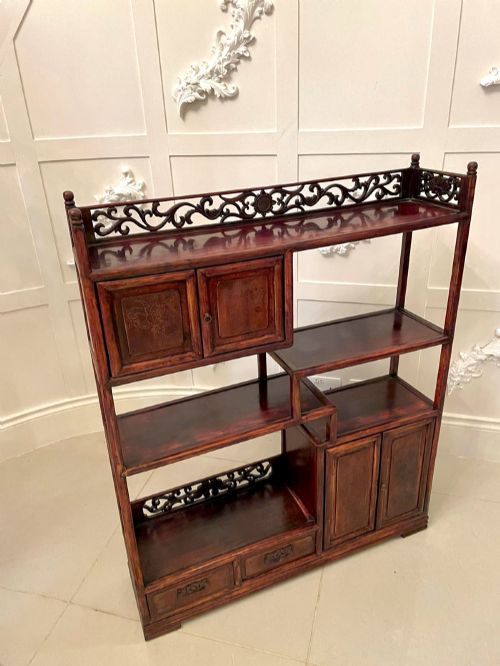
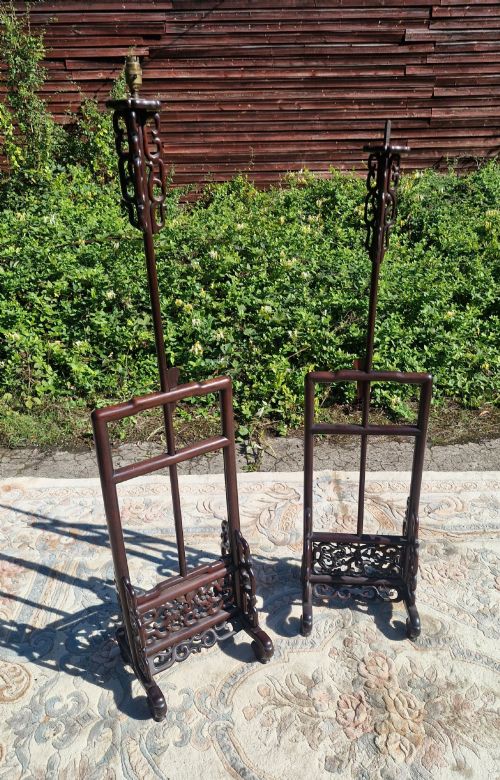
A dark brown chinese stand encompasses a variety of low tables, plant supports, stools, and display pieces originating from the nineteenth and early twentieth centuries. These items serve practical domestic roles while displaying traditional workmanship across forms such as pedestals, nest tables, and torchieres.
The selections encountered here frequently date from the nineteenth century, including specific years like eighteen-eighty and eighteen-ninety, alongside Edwardian and nineteen-twenty examples. Buyers regularly encounter plant stands, side tables, and occasional tables shaped by Chinese Qing style and rustic vernacular traditions.
Makers and workshops produced these items to function as focal points in reception rooms or corners, holding plants, vases, and lamps. Their presence ranges from heavily carved hardwood structures to simpler elm forms and marble-topped designs.
Materials and Construction
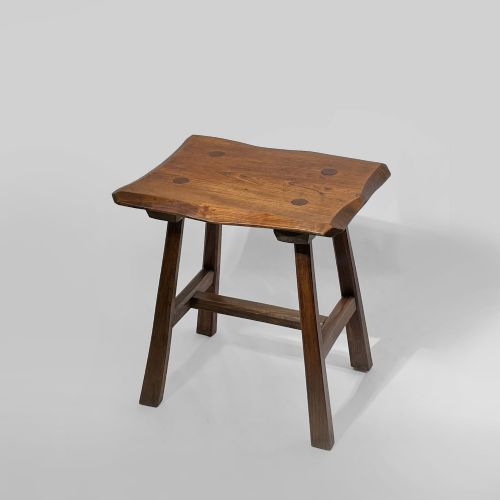
Hardwoods form the core of these items, with specific mentions of rosewood, hongmu, and huali providing dense, dark grain structures. Elm appears in rustic vernacular pieces, offering a lighter yet durable alternative for simpler tables and stools.
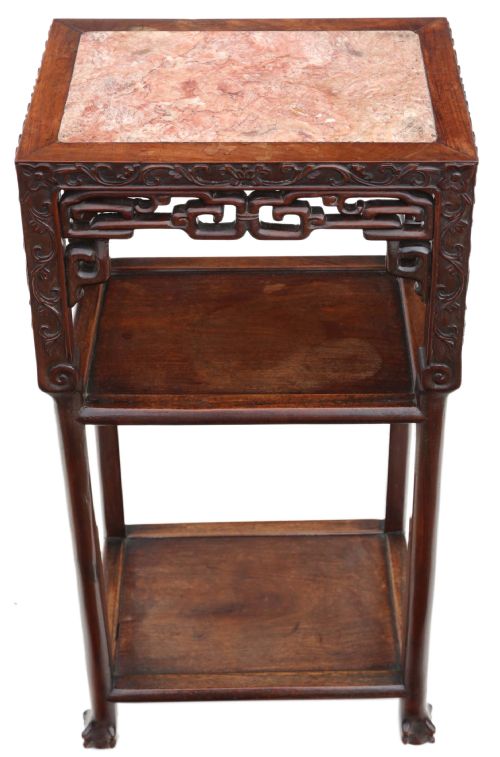
Marble inserts frequently top the hardwood frames, providing a cool, smooth surface resistant to water from plant pots and vases. Brass fittings and fabric elements appear alongside carved wooden details, supporting adjustable lamp standards and sectional garden vessels.
Dark Brown Chinese Stand Retail Price Guide 2026
Typical asking prices for dark brown chinese stand among the pieces listed under this phrase on Sellingantiques today, from the lower quarter to the upper quarter. They describe what is for sale here now, not the wider market.
Listings feature items spanning the nineteenth century through the nineteen-twenties, incorporating hardwoods, marble, brass, and elm across various table and stand forms.
Assessing Quality and Execution
The depth and clarity of hand carving separate standard items from finer examples, particularly where dragons and traditional foliage are rendered with sharp undercut details. Superior pieces display thoughtful joinery that accommodates the natural movement of dense tropical timbers over decades of use.
The selection of materials heavily influences the standing of a piece, with dense hardwoods like hongmu and huali commanding attention through their natural weight and polished finish. Integrated marble panels fitted flush into wooden frames demonstrate superior workshop capability compared to simpler timber tops.
The Dark Brown Chinese Stand Glossary
- Hongmu
- A traditional Chinese term applied to various dense, red-brown or dark hardwoods used in fine furniture making. These timbers take a high natural polish without heavy staining.
- Torchiere
- A tall stand or floor lamp designed to hold a light source high above the floor. In this context, they often feature carved wooden columns.
- Jardiniere
- A large ornamental pot or stand for holding plants and flowers. They sit at floor level or upon dedicated pedestals.
- Vernacular
- Everyday objects made by local craftsmen following regional traditions rather than high court styles. These pieces often utilise domestic woods like elm.
- Qing Dynasty
- The last imperial dynasty of China, lasting from sixteen-forty-four to nineteen-twelve. Furniture from the later nineteenth century of this period shows deep carving and inset marble.
Dark Brown Chinese Stand: Frequently Asked Questions
What were these stands originally used for?
These items held heavy porcelain vases, flowering plants, and oil lamps within traditional interiors. Their sturdy construction supported heavy objects while elevating them for better viewing.
Over time, owners adapted them to serve as bedside tables, coffee tables, and general display surfaces in Western homes.
How do I care for a hardwood stand?
Dust the surfaces regularly with a soft, dry cloth to prevent grit from settling into the carved recesses. Avoid placing them near direct heat sources that might dry out the dense timber.
Apply occasional natural wax if the wood appears dry, avoiding silicone-based polishes that build up over time.
Are marble tops original to these pieces?
Marble inserts were commonly fitted into nineteenth-century hardwood stands to provide a durable, heat-resistant surface for plants and urns. These stone panels rest within channeled wooden frames designed specifically to hold them.
Checking the fit and edge finish helps confirm that the stone belongs to the original construction of the table.
How can I tell the age of a stand?
Examine the underside and joinery for signs of traditional hand tools and older construction methods. Timbers like hongmu and rosewood combined with Qing carving styles typically point towards the nineteenth century.
Edwardian and nineteen-twenty examples often show simpler framing or adaptations for electrical lamp standards.