





Dark Bronze Nude Sculpture
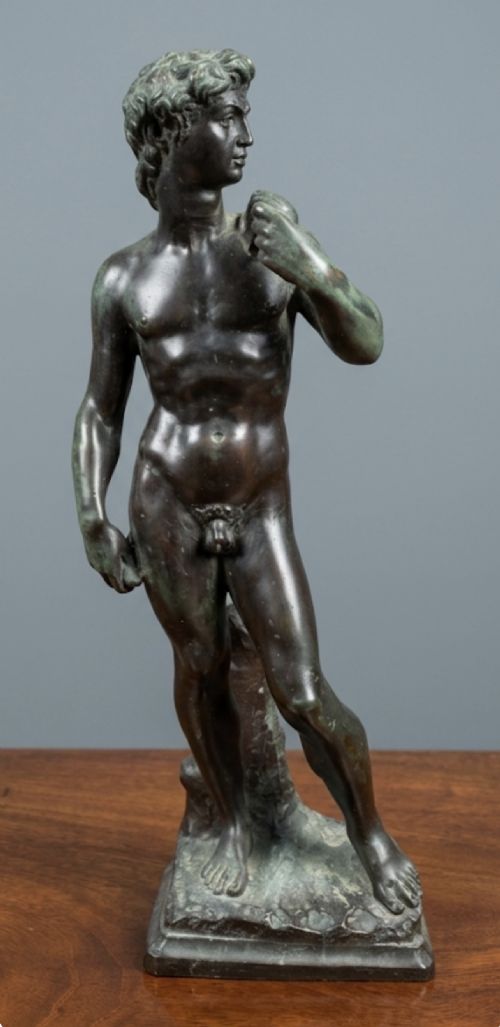
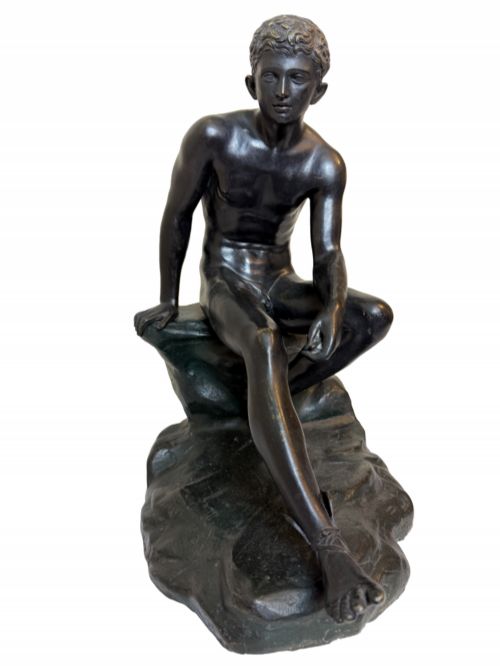
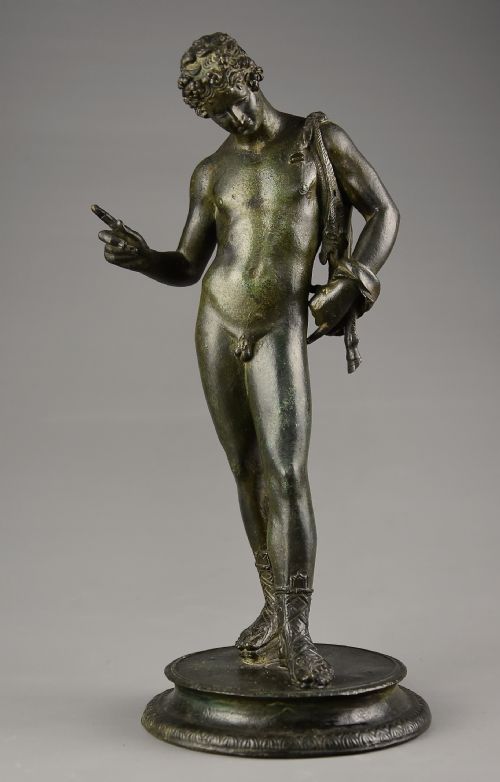
A dark bronze nude sculpture brings mythological figures and classical forms into a room with substantial weight and deep, patinated metal surfaces.

Dark Bronze Nude Sculpture
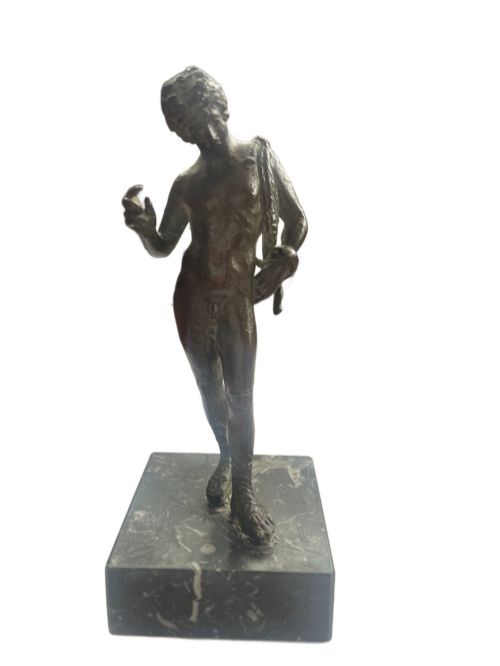
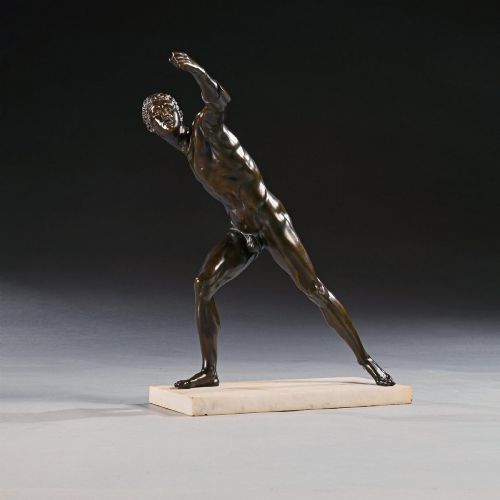
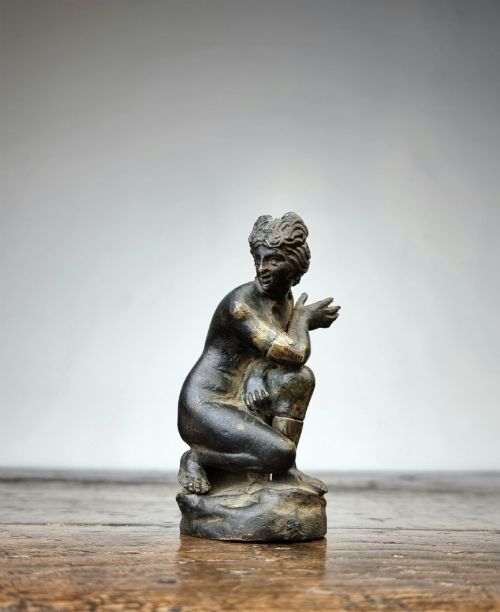
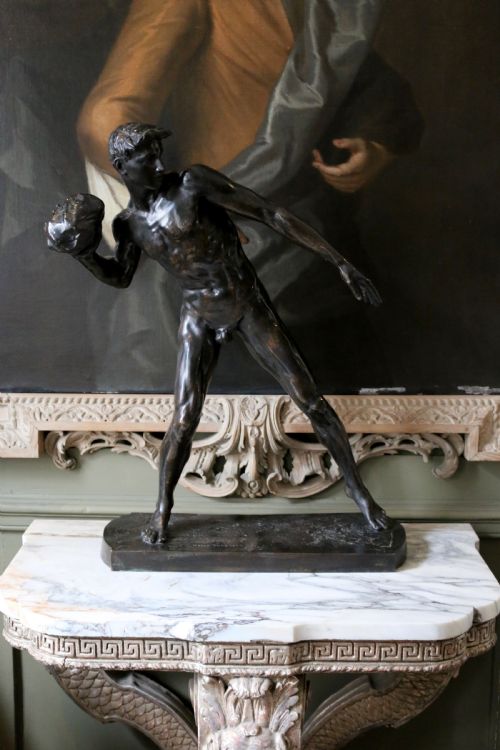
A dark bronze nude sculpture typically takes the form of a classical figure, a mythological subject, or an Art Deco stylised study produced during the nineteenth or early twentieth century. You will encounter Neapolitan Grand Tour reductions alongside French classical casts and Art Deco dancers on marble bases.
The subjects range from ancient deities like Venus and Dionysus to athletes, gladiators, and dancers. These pieces appear as statuettes, bookends, car mascots, and larger freestanding figures mounted on stone or fossil marble plinths.
Materials and casting
These figures are produced in bronze, patinated bronze, and cold-painted bronze, often mounted onto bases of marble, fossil marble, stone, slate, or wood. Founders applied chemical patination treatments to achieve dark green, brown, or near-black surface tones.
Casting methods include traditional lost-wax techniques utilised by major European foundries and individual sculptors to capture musculature, drapery, and fine detail. The resulting metal is polished, chased, and patinated before being secured to its stone or wooden support.
Casting and patination
Quality rests in the crispness of the chase work and the subtlety of the patination across the bronze surface. Superior casts retain anatomical precision, sharp definition in the hair and hands, and a stable, integrated mount.
Ferdinand Barbedienne·Sibylle May·Hector Lemaire·Eugene Barillot·Aristide Maillol·Canova·Hebrard·Paul de Boulogne·Franz Bergman·James Pradier·Susse Freres·Eugene Desire Piron·Raoul Francois Larche·Albert Hussmann·Delafontaine
The Dark Bronze Nude Sculpture Glossary
- Grand Tour
- A nineteenth-century souvenir reduction cast after classical antiquities for travellers returning from Italy. These bronze figures replicate famous sculptures found in museums and archaeological sites.
- Patination
- The chemical or thermal treatment applied to the bronze surface to create colour and tone. Dark patination ranges from deep chocolate brown to near-black.
- Lost-wax casting
- A method of metal casting where a molten bronze is poured into a mould created from a wax model. This technique allows for intricate detail and complex undercuts in figurative sculpture.
- Cold-painted bronze
- A process where the bronze is painted with cold oil paints rather than fired in a kiln. This finish appears frequently in smaller Vienna figures and cabinet bronzes.
- Reduction
- A smaller copy of a larger public sculpture, cast to fit domestic interiors. Founders produced reductions of ancient and contemporary works for collectors.
Dark Bronze Nude Sculpture: Frequently Asked Questions
What is a Grand Tour bronze?
A Grand Tour bronze is a nineteenth-century souvenir cast, often produced in Naples or Paris, depicting classical Greek and Roman sculptures for travellers.
These pieces served as cabinet ornaments and portable representations of famous antiquities seen during European travels.
How do I care for bronze sculpture?
Bronze requires minimal maintenance, needing only an occasional dusting with a soft, dry cloth to protect the patination.
Avoid using water, chemical polishes, or abrasive cleaners, which can strip the chemical patinated surface and expose the raw metal underneath.
What distinguishes Art Deco bronzes?
Art Deco bronzes feature stylised human forms, dancers, and car mascots created around the nineteen-twenties and nineteen-thirties with sleek geometric lines.
These figures frequently combine dark patinated metal with contrasting geometric bases made from marble, onyx, or slate.
Why are some figures mounted on marble?
Marble and stone bases provide physical stability for heavy bronze figures while adding a contrasting textural element to the composition.
Many nineteenth-century grand tour pieces and twentieth-century dancer sculptures utilise fossil marble or slate plinths as integral parts of the design.