



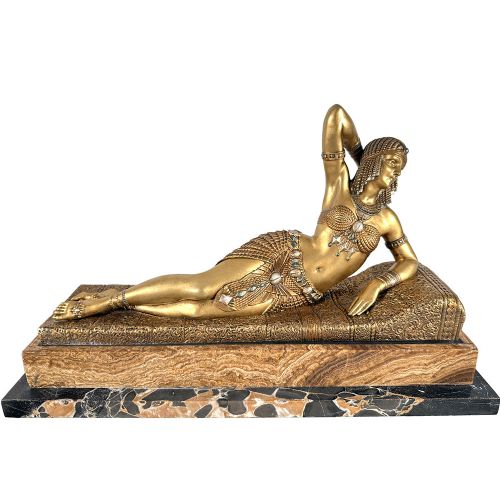


Antique Bronzes Art Nude
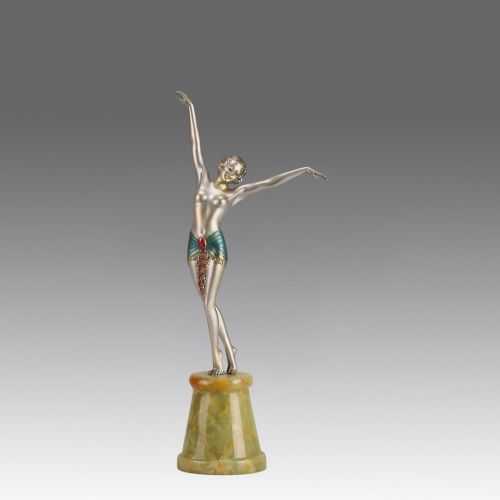
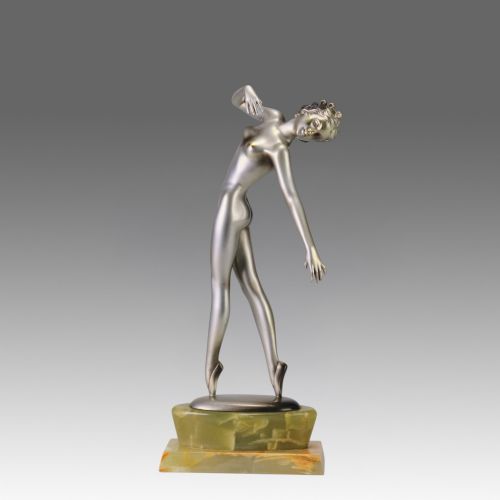
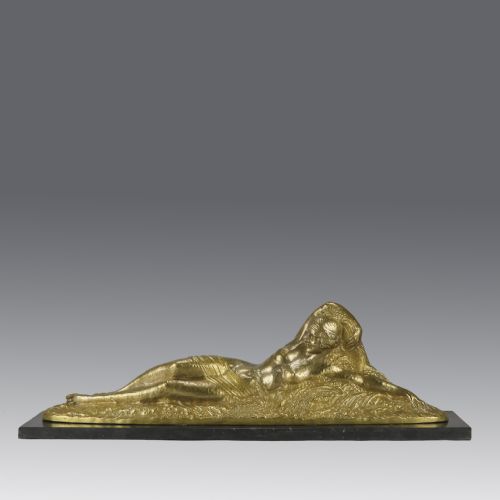
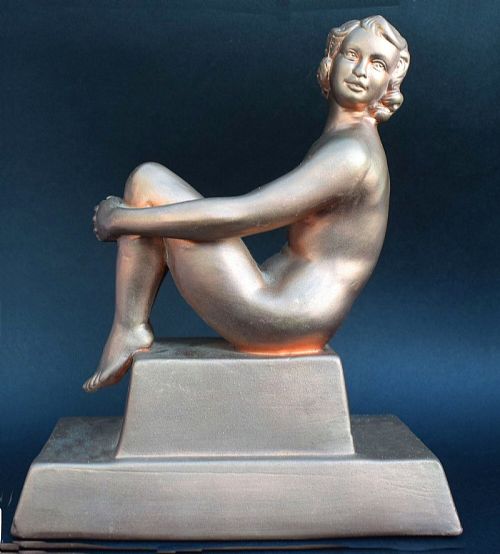
When you collect antique bronzes art nude, you acquire cast metal figures that capture the human form through changing decorative movements.

Antique Bronzes Art Nude
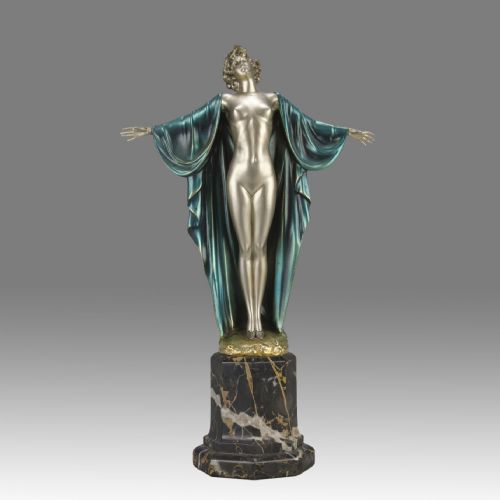
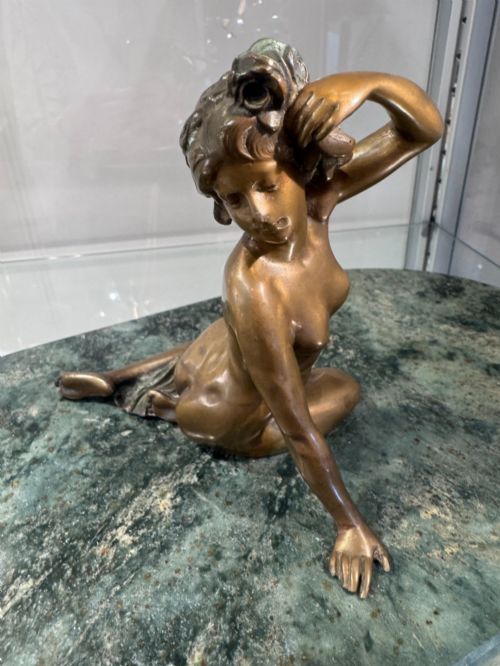
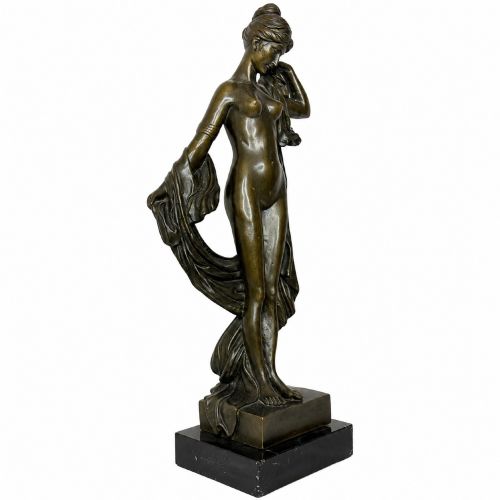
These antique bronzes art nude encompass sculptural figures, table lamps, and car mascots cast across the late nineteenth and early twentieth centuries. The pieces originate predominantly from French and Austrian workshops working within Art Nouveau, Art Deco, and Neoclassical idioms.
A buyer examining this selection encounters female figures rendered standing, seated, or engaged in dance and mythological narratives. The forms range from cabinet statuettes to functional lighting fixtures mounted on stone bases.
The aesthetic shifts from the sinuous botanical curves of 1900 to the geometric stylisation characteristic of the 1930s. Spelter and patinated metal appear alongside solid bronze iterations.
Materials and casting methods
Foundries utilised the lost-wax technique or sand-casting methods to shape molten metal into complex figures. Bronze served as the primary medium, complemented by patinated metal, silvered bronze, and gilt bronze surfaces.
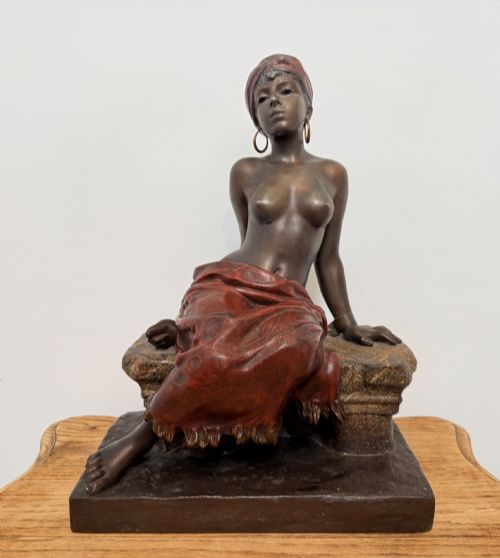
Sculptors mounted finished metal casts onto integral bases formed from marble, onyx, or alabaster. Certain pieces received cold-painted enamel details or hand-painted miniature elements to introduce colour.
Foundry marks and signatures stamped directly into the metal evidence the collaborative production process between artist and caster.
Materials documented across the inventory include bronze, marble, onyx, alabaster, spelter, and glass components.
Distinctions in craftsmanship
Quality resides in the crispness of the metal chasing and the subtlety achieved in the surface patina. Superior casts retain anatomical definition and clean separation between the metal figure and its stone plinth.
The integration of mixed materials, such as combining carved ivory or alabaster elements with cast bronze, demonstrates advanced studio capability. The weight, stability, and integrity of the original base structure separate standard production items from distinguished foundry editions.
Rudolf Küchler·Ferdinand Preiss·Josef Lorenzl·Demetre Chiparus·Pierre Le Faguays·Claire Jeanne Roberte Colinet·James Pradier·Albert Hussmann·Ugo Cipriani
The Antique Bronzes Art Nude Glossary
- Cold-painted bronze
- A method where paint is applied to a cold metal surface rather than fired in a kiln. This technique was widely practiced by Austrian foundries to add vibrant polychrome details to cabinet figures.
- Patina
- The surface coloration and sheen developed naturally over time or applied chemically by the foundry. It protects the metal and defines the visual depth of the sculpture.
- Spelter
- A zinc alloy utilised as an economical alternative to bronze during the Art Deco period. Figures cast in spelter typically received a bronze-coloured or painted finish.
- Lost-wax casting
- A sculptural process where a model is encased in wax, melted out, and replaced with molten metal. This method allows for intricate detail and undercut forms.
- Grand Tour
- Nineteenth-century travel souvenirs taking the form of reduced-scale bronze copies after classical antiquities. These pieces catered to collectors seeking classical motifs.
Antique Bronzes Art Nude: Frequently Asked Questions
How do I identify Art Deco figures?
Art Deco figures display streamlined geometry, stylised drapery, and dynamic poses associated with the interwar period. The materials often include silvered or gilt bronze paired with stepped marble bases.
Look for clean angular lines in the hair and anatomy that distance the design from the organic floral motifs of earlier decades.
What is cold-painted bronze?
Cold-painted bronze describes metal sculptures finished with un-fired oil or enamel paints applied directly to the surface. This technique creates colourful garments and realistic skin tones on cabinet bronzes.
Care is required when cleaning these surfaces to avoid lifting the delicate historical pigment.
Are marble bases original?
Many period pieces were intentionally mounted by the foundry onto contrasting marble, onyx, or alabaster plinths to provide stability and visual weight. The stone type and mounting hardware should match the manufacturing era of the bronze.
Inspect the joinery where the metal figure meets the stone to ensure the components belong together.
How should I clean antique bronze?
Dust the surface gently with a soft dry brush to remove particulate matter without disturbing the underlying patina. Avoid chemical polishes or water, which can strip away historical finishes.
Maintaining a stable indoor humidity prevents environmental degradation of both the metal and the stone mount.