


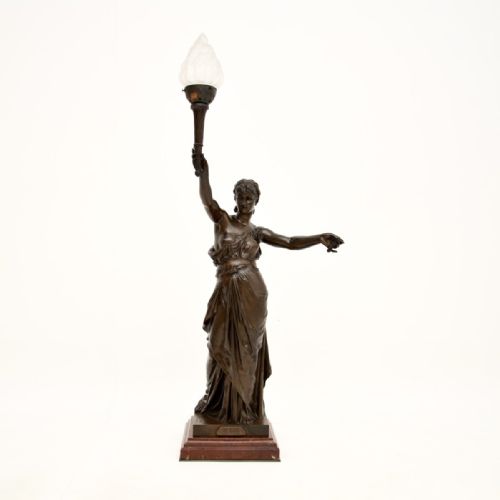


Victorian Bronze Female Sculpture
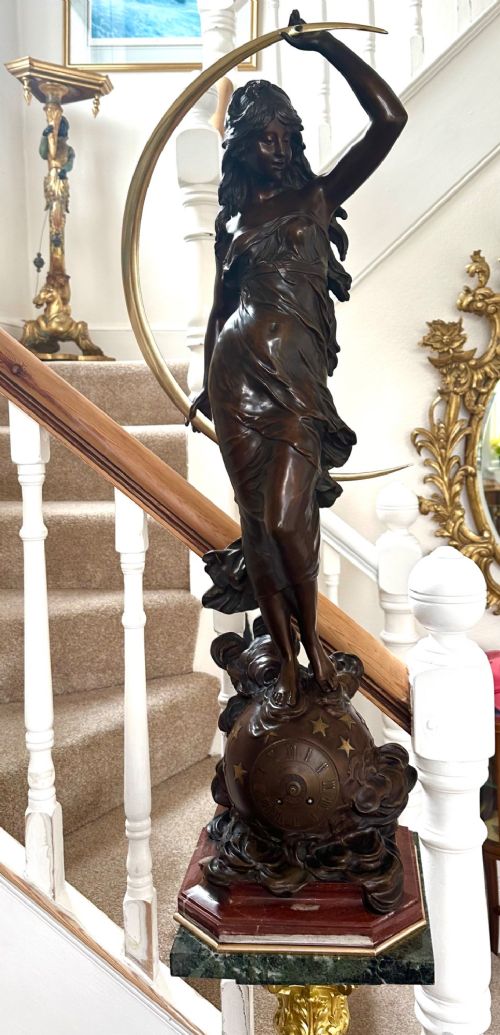
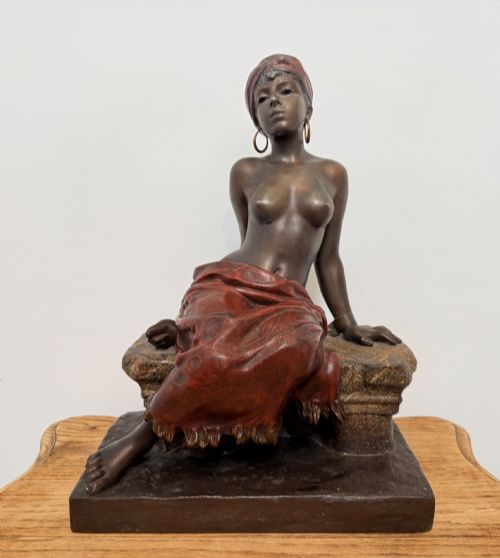
These pieces of victorian bronze female sculpture combine classical mythology, portraiture and allegorical subjects cast in metal and mounted on stone.

Victorian Bronze Female Sculpture
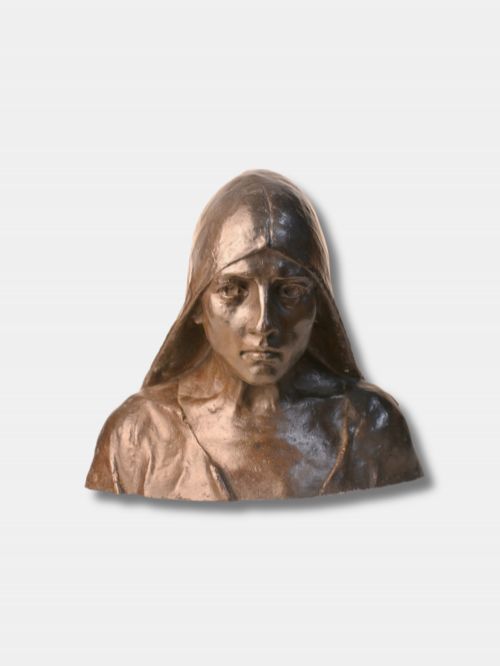
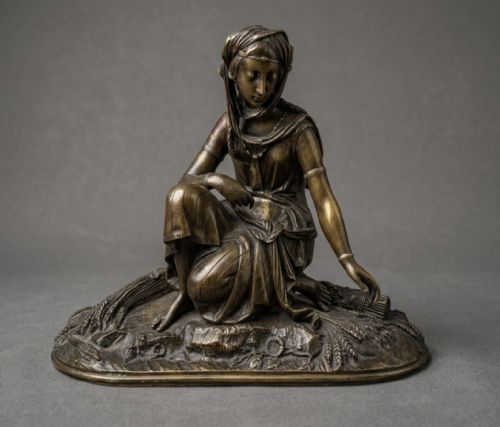
A victorian bronze female sculpture presents figures ranging from mythological deities and literary heroines to classical maidens and allegorical representations of peace, modesty or romance. Buyers encounter standing figures, seated models and portrait busts cast during the nineteenth century, often originating from French workshops or carrying signatures of known European modellers. Forms stretch from small cabinet statuettes up to substantial gallery pieces with integrated marble stands or lighting components.
The selection on this page leans heavily toward nineteenth-century French foundry work, alongside pieces originating from Austrian, English and Italian studios. Subjects draw deeply from classical antiquity, orientalist themes, Egyptian revival motifs and Art Nouveau fluid lines. Alongside solid cast metal works, buyers also find related figures rendered in patinated spelter, terracotta, bronzed plaster and wood.
Many figures serve dual purposes as decorative table lamps, torchere bases or architectural busts designed for interior display. They appear both unsigned and bearing distinct foundry marks, signatures or title plaques on their bases. These works reflect the widespread nineteenth-century appetite for classical taste, literary narrative and historical heroism brought into the domestic interior.
How they were made
Foundries utilised the lost-wax casting method or sand-casting techniques to shape molten metal into complex human forms, drapery and hair. Artisans then applied chemical patination treatments directly to the metal surface to achieve tones ranging from deep chocolate brown to warm verdigris highlights. Polychromed finishes and cold-painted details also appear on specific figures to render garments and naturalistic settings more lifelike.
Sculptures are frequently mounted upon turned marble plinths, stone bases or wooden stands that provide structural stability and visual contrast to the metallic figure. Secondary materials such as glass shades, cast metal elements and terracotta bodies appear across related lamps and figurative statues. Surface chasing and toolwork completed the cast, sharpening facial expressions, hair braids and drapery folds before final mounting.
The listings span periods from the eighteen-sixties through to the nineteen-fifties, featuring materials including marble, spelter, terracotta and patinated bronze.
What varies in quality
The integration between the figure and its support material dictates the overall integrity of the piece. Top-tier works feature dense, well-fitted marble stands and sophisticated mounting hardware that securely anchors the metal sculpture. Quality also shows in the ambition of the subject matter, moving from standard mass-produced decorative figures to expressive, named works by established Parisian and continental bronze artists.
August Moreau·E Villanis·Emile Jespers·S Kinsburger·Jean-Jules Cambos·Arthur Waagen·Houdebine·Devaulx·Hans Schork·Eutrope Bouret·Eugene Laurent·Frederic Goldscheider
The Victorian Bronze Female Sculpture Glossary
- Patinated bronze
- Metal treated with chemical solutions to produce a controlled surface colour or aged finish. This process protects the underlying bronze and defines the visual mood of the sculpture.
- Spelter
- An alloy of zinc and lead used as a cheaper alternative to bronze during the nineteenth and early twentieth centuries. It accepts patination and metallic paint finishes to mimic heavier bronze sculpture.
- Grand Tour souvenir
- Portable art objects and reductions purchased by travellers touring cultural sites in Italy and France during the nineteenth century. These reductions often replicate famous classical statues in miniature bronze.
- Orientalism
- An artistic movement focusing on Middle Eastern, North African and Near Eastern subjects. Figures often wear regional garments or inhabit narrative scenes set in wheat fields or desert landscapes.
- Lost-wax casting
- A traditional metalworking process where a molten metal is poured into a mould that has been created by means of a wax model. The wax is melted and drained away to leave space for the bronze.
Victorian Bronze Female Sculpture: Frequently Asked Questions
How do I clean a bronze sculpture?
Dust the surface gently with a soft, dry brush to prevent dirt accumulation within the recessed details and drapery folds.
Avoid using water, chemical cleaners or abrasive cloths that can strip away the original historical patina and expose raw metal beneath.
Are these figures solid bronze?
Many listings are cast in solid bronze, while others consist of patinated spelter, cast metal, bronzed plaster or terracotta.
Check the material specification in each individual description to confirm whether the piece is solid metal or an alternative sculptural medium.
What does Grand Tour mean?
Grand Tour pieces refer to souvenir sculptures and reductions bought by nineteenth-century travellers visiting classical antiquities in Europe.
These smaller bronzes allowed collectors to bring classical figures like the Venus di Milo back to their home libraries and drawing rooms.
How are marble bases attached?
Sculptures are typically secured to their stone plinths using threaded bolts, pins or internal screws running through the base of the metal figure.
Buyers should inspect the underside of the stone or marble stand to view the original mounting hardware and structural joins.
Can I use these figures as lamps?
Certain pieces are manufactured specifically as figural lamp bases or fitted with torchere shades designed for interior lighting.
Original wiring should be checked by a qualified electrician to ensure safety before connecting the lamp to a modern power supply.