


Daisy Makeig Jones Wedgwood
Daisy Makeig Jones Wedgwood ceramic works bring fantastical designs, rich glazes, and intricate patterns into any collection.
Daisy Makeig Jones Wedgwood
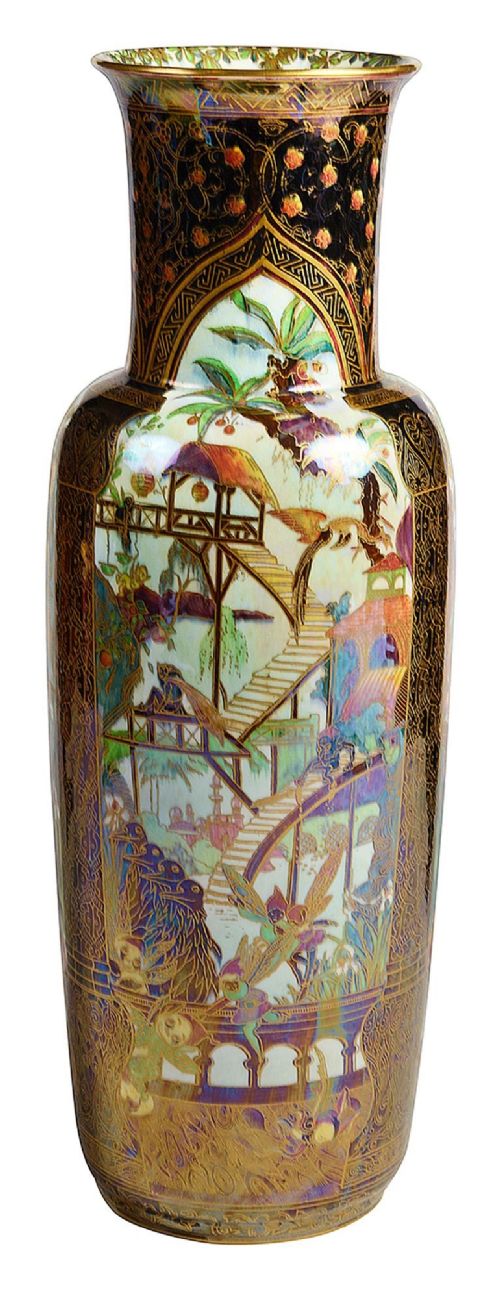
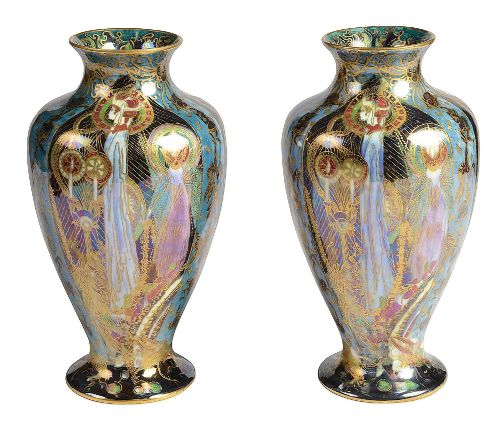
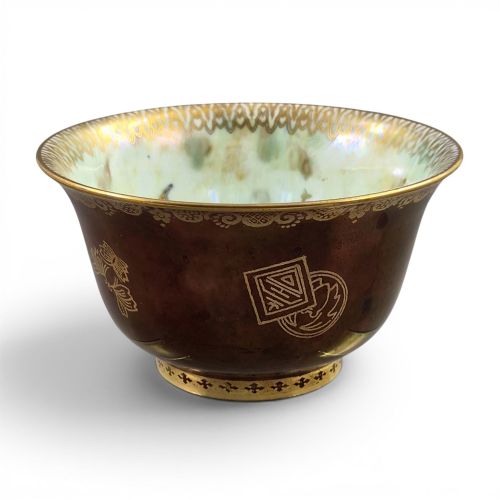
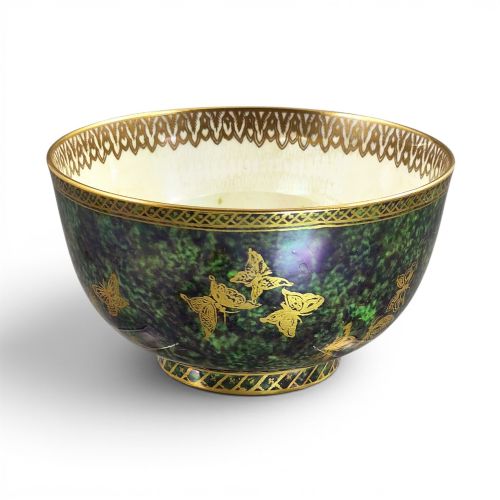
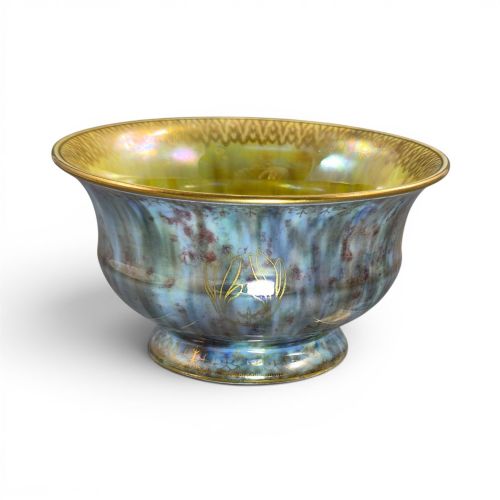
Items associated with daisy makeig jones wedgwood span decorative bowls, vases, and miniature cups produced during the early twentieth century. Pieces from this selection largely originate from the Edwardian period through the 1920s.
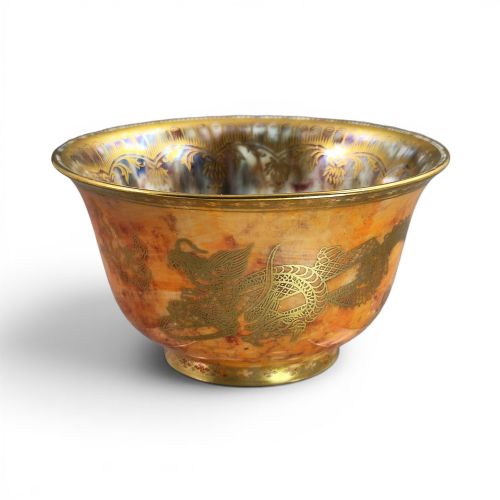
Buyers encounter distinct forms such as octagonal bowls, baluster vases, and three-handled mugs. Many examples showcase specific ornamental themes like dragons, butterflies, and Fairyland motifs.
How they were made
Potters shaped porcelain and bone china into standard and octagonal vessels before applying specialised glazes. Lustre glaze creates the characteristic iridescent sheen found across these ceramic works.
Makers applied gold leaf, gilt, and gold gilding to highlight intricate background patterns and central subjects. Details often incorporate hand-painted elements aligned with Art Nouveau and Art Deco design movements.
Listings feature items from the 1900s, 1910s, and 1920s, encompassing both Edwardian and Art Deco stylistic influences.
What varies in quality
The complexity of the applied design alters the visual impact of each ceramic piece. Elaborate multi-figure motifs such as Fairyland scenes demand higher execution skill than standard monochrome or simpler geometric patterns.
The depth and consistency of the lustre finish determine the overall visual richness. Surface preservation of the delicate gold leaf and gilt detailing also influences the standing of individual items.
Daisy Makeig Jones·Wedgwood
The Daisy Makeig Jones Wedgwood Glossary
- Lustre Glaze
- A type of ceramic glaze containing metallic oxides that produce an iridescent, pearl-like sheen when fired. This finish defines the reflective surface quality of the ware.
- Fairyland Lustre
- A specific decorative line developed by Daisy Makeig-Jones featuring whimsical, highly detailed fantasy subjects. These patterns often incorporate goblins, elves, and mystical creatures.
- Baluster
- An architectural form of vase characterised by a narrow neck, a swelling body, and a broad base. This shape supports tall, flowing pictorial scenes.
- Gilt
- A thin layer of gold applied to the surface of porcelain or bone china for decoration. It frames the central pictorial elements and accentuates rims and handles.
- Octagonal
- A geometric eight-sided vessel shape utilised for bowls and decorative containers. This form provides multiple flat panels for distinct compositional layouts.
Daisy Makeig Jones Wedgwood: Frequently Asked Questions
What is Fairyland Lustre?
Fairyland Lustre is a specialised range of iridescent ceramics designed by Daisy Makeig-Jones featuring imaginative subjects.
These pieces use complex multi-fired glazes and gold detailing to depict mythical scenes, landscapes, and creatures.
How are these pieces dated?
Dating relies on recorded production periods spanning the Edwardian era through the 1920s.
Specific pattern numbers and backstamps help correlate individual vessels to their historical manufacturing intervals.
What motifs appear on the bowls?
Common decorative motifs include dragons, butterflies, hummingbirds, and abstract geometric patterns.
Designs frequently incorporate gold leaf highlights and rich colour fields across porcelain surfaces.
Are miniature versions common?
Miniature bowls, cups, and bud vases form a recognised segment of the available output.
These smaller items retain the same detailed lustre techniques and decorative patterns found on larger vessels.