




Art Deco Wedgwood Lustreware
Art deco wedgwood lustreware brings intense iridescent colour and fantastical motifs directly into a room, making these pieces sought after by collectors.
Art Deco Wedgwood Lustreware
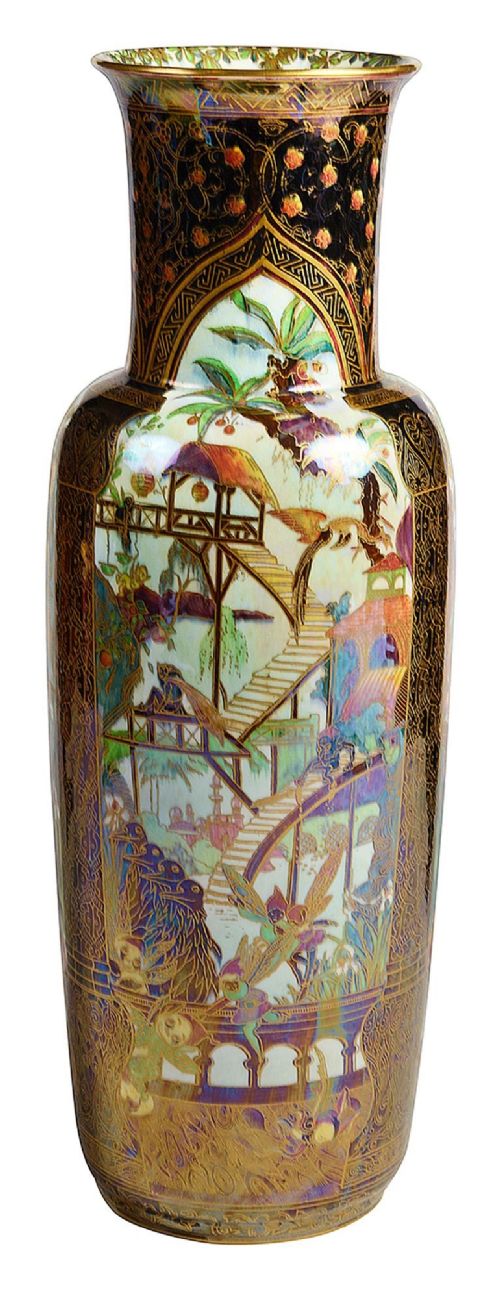
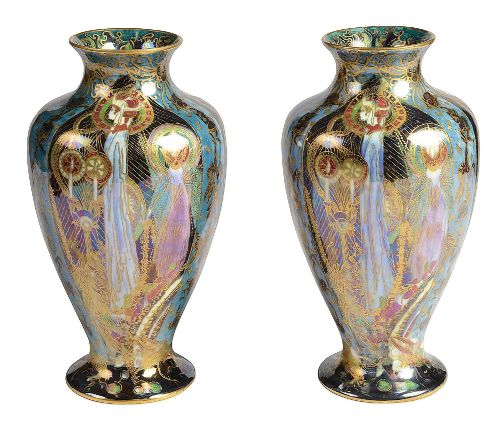
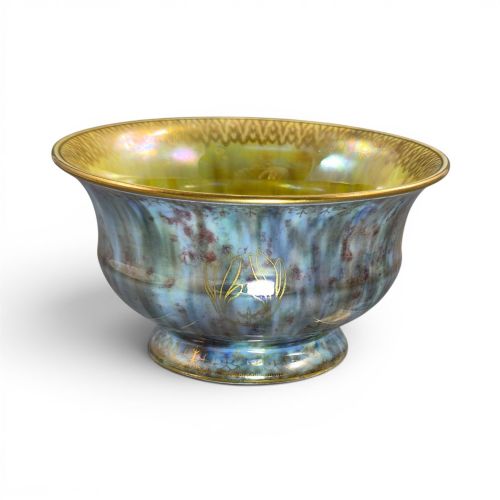
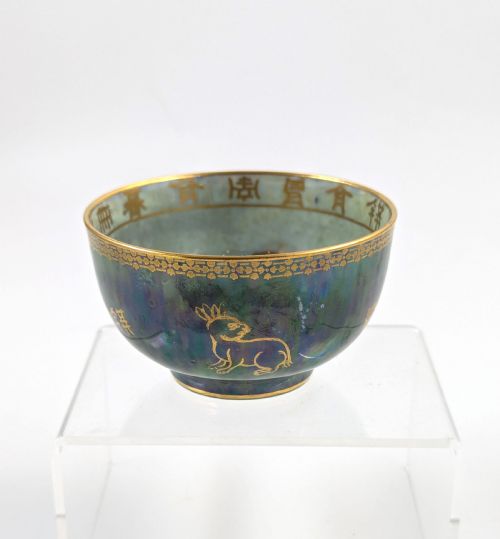
When you search for art deco wedgwood lustreware, you encounter vibrant decorative bowls, tall vases, and decorative cups shaped by notable periods like the Edwardian era and the nineteen-twenties. These ceramics showcase elaborate designs conceived by designer Daisy Makeig-Jones, ranging from mystical dragon motifs to intricate fairy scenes.
The most common pieces on this page are decorative bowls in octagonal or round forms, alongside baluster vases and three-handled mugs. Each item relies on striking visual contrasts, driven by bold glazes and metallic highlights that catch the light from any angle in a room.
How they were made
Makers utilised fine porcelain and bone china as the solid base for these ceramics, ensuring a smooth surface ready to receive complex decoration. Potters shaped these materials into vases, bowls, and cups before applying the foundational layers.
Techniques relied heavily on the application of a specialist lustre glaze, which created an iridescent sheen upon firing. Artisans finished these surfaces using gold leaf, gilt, gold gilding, and general gilding to accentuate specific details within the intricate patterns.
Listings feature porcelain and bone china forms decorated with gold leaf and lustre glaze, spanning the Edwardian period and the nineteen-twenties.
What varies in quality
Quality rests upon the complexity and precision of the painted design applied over the lustre glaze, distinguishing simple mottled colour fields from intricate pictorial scenes. Pieces featuring dense mythical subjects like dragons, phoenixes, or fairy themes demand a higher level of artistic execution.
The crispness of the gold gilding and the depth of the iridescent finish determine the visual power of an individual item. Stronger contrast between the lustrous background and the gilded highlights separates standard utility items from masterworks.
Daisy Makeig Jones·Wedgwood
The Art Deco Wedgwood Lustreware Glossary
- Lustre Glaze
- A metallic ceramic glaze that produces an iridescent, pearlescent sheen upon firing. This finish shifts in colour depending on the angle of the light.
- Fairyland Lustre
- A specific decorative line featuring fantastical subjects like elves, fairies, and mythical beasts. These designs represent the most elaborate artistic output of the period.
- Gilding
- The application of gold leaf or gilt onto the ceramic surface to highlight rims, handles, and motifs. It provides a sharp contrast against colourful glazes.
- Baluster Vase
- A tall vessel characterised by a rounded body that tapers toward the base and neck. This form frequently displays wraparound pictorial designs.
Art Deco Wedgwood Lustreware: Frequently Asked Questions
How do I clean lustreware safely?
Dust these ceramics gently with a dry microfibre cloth to remove daily particles without disturbing the delicate metallic surface.
Avoid submerging pieces in water or using abrasive cleaning agents, as harsh chemicals strip the lustre glaze and wear away the gold gilding over time.
Were these pieces meant for daily use?
Most items served primarily decorative functions within the home rather than practical dining purposes. Their intricate glazes and gold leaf decoration meant they were displayed on cabinets or mantelpieces.
Cups and mugs existed as physical objects, yet their primary value lay in their artistic finish and visual impact rather than service at the table.
How do I date these ceramics?
Look closely at the style elements and any stamped factory marks found on the underside of the base. Pieces from the Edwardian period and the nineteen-twenties exhibit distinct pattern codes.
Comparing the specific design name, such as Candlemas or Coiling Dragon, helps place the object within the active working years of the designer.
What makes the glaze look iridescent?
The iridescence results from a thin metallic film fused onto the ceramic glaze during a specialised firing process. Light waves reflect off multiple microscopic layers at once.
This interference phenomenon creates the shimmering, rainbow-like colour shifts characteristic of quality lustreware.