




Chinoiserie Decorative Dish
A chinoiserie decorative dish brings hand-painted oriental motifs and vibrant glazes into British interiors, blending European shapes with imaginary eastern landscapes.
Chinoiserie Decorative Dish
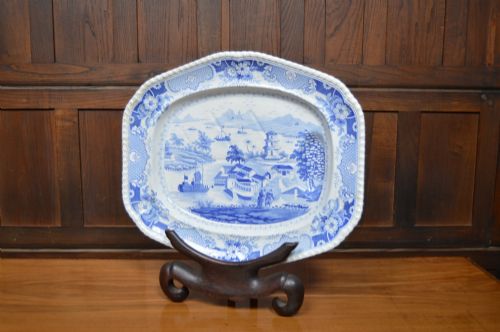
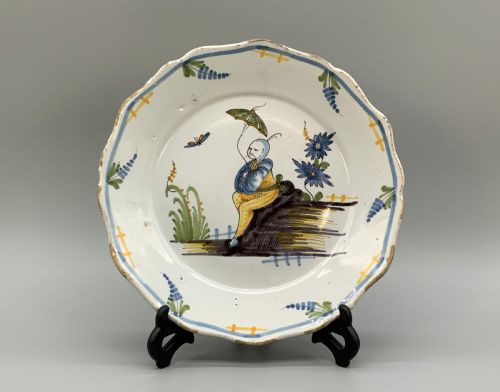
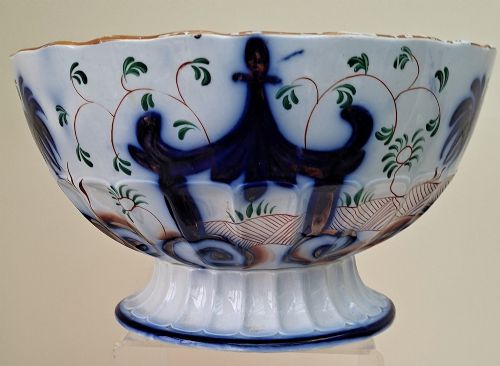
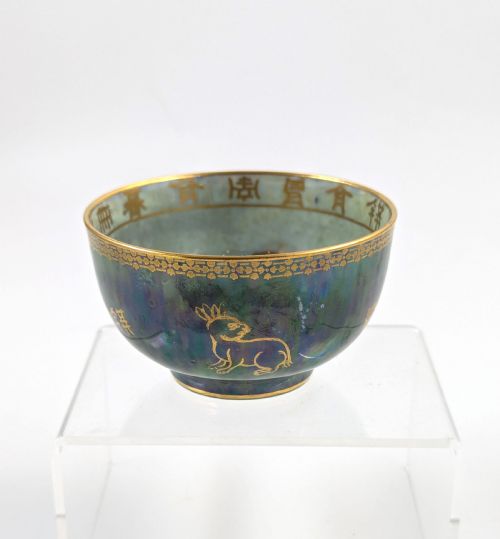
When you search for a chinoiserie decorative dish, you encounter chargers, plates, bowls and tureens spanning the eighteenth, nineteenth and early twentieth centuries. These pieces display imaginative oriental scenes, dragons, pagodas and exotic birds painted across earthenware, ironstone and porcelain.
The nineteenth-century examples often emerge in robust ironstone and transferware, carrying patterns like pagoda and green mandarin produced by factories such as Mason's. Earlier eighteenth-century pieces appear as tin-glazed earthenware and delft chargers painted in polychrome, manganese and yellow, showing Dutch and English interpretations of eastern designs.
Footed bowls, comports and serving platters sit alongside wall-hanging chargers in this selection, giving you varied ways to display these traditional forms. The objects bridge the gap between utilitarian dining vessels and pure ornamental display items.
Materials and Manufacture
Potters shaped these vessels from body materials including porcelain, earthenware, ironstone and stoneware, applying tin-glaze, enamel and gold leaf for surface decoration. Cobalt blue underglaze transfer printing dominated many nineteenth-century works, while earlier pieces relied on hand-painted polychrome pigments.
Factories utilised specialised kilns to fire ironstone and earthenware bodies to high temperatures, ensuring durability for large chargers and tureens. Skilled hands applied gold leaf and hand-painted enamels over the glaze to achieve the characteristic depth of the oriental motifs.
Exotic birds peer out from nineteenth-century ironstone branches, seemingly judging your interior design choices with absolute severity.
Distinguishing Quality
Quality rests in the crispness of the hand-painted brushwork and the precision of the transfer printing across the surface. Finer pieces demonstrate careful control over polychrome enamels and gold leaf detailing that remain sharp and vivid against the ceramic ground.
The weight and consistency of the ceramic body also mark superior examples, particularly in heavy ironstone chargers and finely potted porcelain plates. Early delftware dishes show quality through the complexity of the polychrome palette and the smoothness of the tin glaze.
Mason's·John Ridgway·Wedgwood·Barr, Flight & Barr
The Chinoiserie Decorative Dish Glossary
- Charger
- A large decorative plate or dish, typically measuring over twelve inches across. These pieces were often hung on walls or stood on sideboards rather than used for dining.
- Tin-glazed Earthenware
- Pottery covered with a white tin-oxide glaze that provides an opaque background for painting. This technique defines much of early English and French delftware.
- Ironstone
- A heavy, durable ceramic patented in the nineteenth century to imitate Chinese porcelain. It provides a sturdy body for large chargers, tureens and platters.
- Comport
- A shallow footed bowl or dish used for serving fruit or sweets. They elevate the display above the surface of the table.
- Transferware
- Pottery decorated by applying a printed design from an engraved copper plate to the ceramic surface. This method allowed consistent reproduction of complex oriental landscapes.
Chinoiserie Decorative Dish: Frequently Asked Questions
How do I hang a heavy charger?
Heavy ironstone and delft chargers require specialised wall brackets that support the base and sides evenly without putting pressure on the rim. Ensure the fixing secures firmly into solid walling rather than plasterboard alone.
Check the strength of the wire or spring mechanism periodically to keep the ceramic secure and safe from accidental knocks.
Can I use these dishes for food?
Many nineteenth-century ironstone and earthenware pieces remain robust enough for dry foods, but antique glazes can be sensitive to acids and moisture. Early delftware and pieces with surface enamel or gold leaf benefit from purely decorative display.
Hand washing in lukewarm water with mild soap protects the antique glazes and prevents any staining of porous ceramic bodies.
How do I date a chinoiserie plate?
Dating relies on maker marks stamped into the ceramic base, the type of glaze, and the manufacturing technique. Transfer-printed blue and white pieces often point to the Victorian era, while tin-glazed earthenware suggests the eighteenth century.
Comparing pattern names, such as pagoda or mandarin designs, against known factory production periods helps narrow down the decade of manufacture.