




Wedgwood Dragon Lustre Ceramic
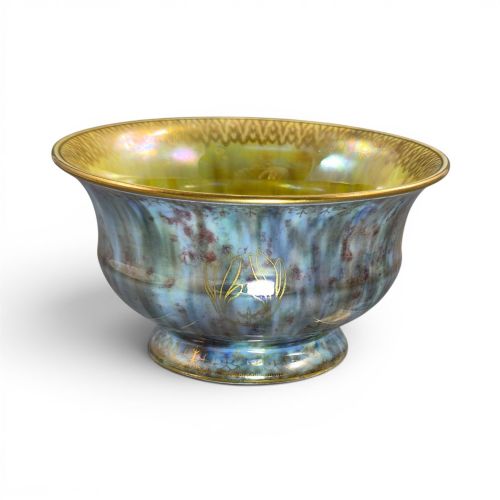
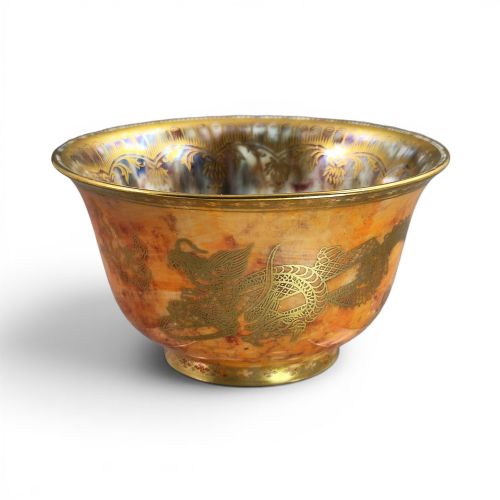
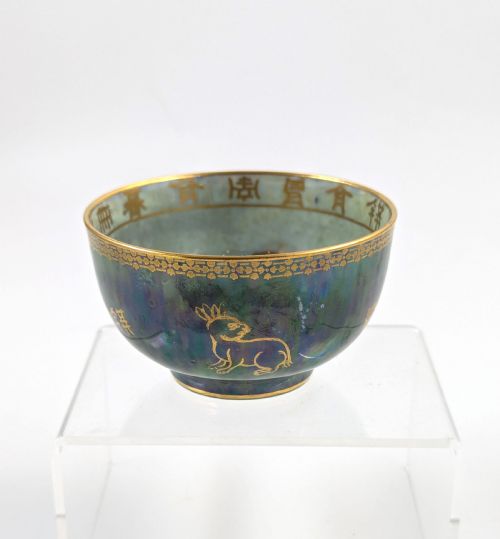
These wedgwood dragon lustre ceramic pieces bring vivid mythical motifs and rich glazes to decorative bowls and miniature cups.
Wedgwood Dragon Lustre Ceramic
When you search for wedgwood dragon lustre ceramic, you find decorative bowls, miniature cups, and bud vases produced during the Edwardian period and the 1920s. These items showcase imaginative dragon designs set against shimmering backgrounds.
The most common forms on this page are decorative bowls, including octagonal bowls and lantern shapes, alongside miniature cups and bud vases. These pieces combine traditional ceramic forms with striking illustrative patterns from the early twentieth century.
How they were made
Makers shaped these items using bone china and porcelain before applying a distinctive lustre glaze that creates an iridescent sheen. This surface treatment requires precise kiln firing to achieve the characteristic metallic and glossy effects.
Artisans integrated gold leaf, gold gilt, and gilding to highlight the intricate dragon motifs and border patterns. These metallic additions stand out against the deep coloured glazes of the ceramic body.
Every fierce dragon twists across the glossy glaze, guarding a tiny teacup or a grand octagonal bowl from imaginary invaders.
What varies in quality
The distinction in these pieces rests upon the complexity of the pattern and the depth of the lustre finish. Elaborate dragon designs, such as celestial or king dragon variants, display greater artistic ambition than standard patterns.
The application of gold gilding and the vibrancy of the glaze across the porcelain or bone china surface define the visual impact of each individual vessel.
Daisy Makeig Jones·Wedgwood
The Wedgwood Dragon Lustre Ceramic Glossary
- Lustre Glaze
- A metallic ceramic finish that creates an iridescent, light-reflecting surface. It produces the shimmering colours seen on these decorative vessels.
- Bone China
- A type of soft-paste porcelain incorporating bone ash. It provides a bright white and durable body for detailed painting.
- Gilt
- A thin layer of gold applied to the surface of the ceramic. It outlines the dragons and decorative borders.
- Octagonal
- A geometric form featuring eight sides. Several bowls utilise this shape to structure the painted scenes.
- Art Nouveau
- An international style of art and architecture characterised by intricate linear designs. It influences the decorative framing of these pieces.
Wedgwood Dragon Lustre Ceramic: Frequently Asked Questions
What are wedgwood dragon lustre ceramic items?
These are decorative ceramic vessels featuring mythical dragon designs created during the early twentieth century. They combine traditional pottery forms with iridescent finishes and gilt details.
The selection includes decorative bowls, octagonal vessels, miniature cups, and bud vases. Each item displays distinct patterns developed in the Edwardian period and the 1920s.
How were these ceramics used?
These pieces served primarily as decorative objects for display within domestic interiors. Their striking metallic glazes and detailed dragon motifs made them focal points on tables and mantelpieces.
Smaller items like miniature cups and bud vases functioned as cabinet pieces or delicate display items. Their vibrant surfaces were designed to catch and reflect light in reception rooms.
How do I care for lustre ceramics?
Lustre glazes and gold gilding require gentle handling to preserve the delicate metallic surface. Dusting with a soft, dry cloth is usually sufficient for routine maintenance.
Avoid using abrasive cleaners or submerging the pieces in water for extended periods. Keeping them away from direct, harsh sunlight helps protect the coloured glazes.
How can I tell the period of these pieces?
Dating relies on the stylistic markers of the Edwardian era and the 1920s, alongside specific pattern numbers recorded in the titles. Art Nouveau and Art Deco influences help anchor the timeline of production.
The integration of specific dragon names, such as celestial or king dragon, also connects the items to distinct manufacturing phases of that era.