




Wedgwood Dragon Lustreware
Wedgwood dragon lustreware pieces bring vibrant mythical motifs and iridescent finishes into your home, offering bold colour and intricate detail.
Wedgwood Dragon Lustreware
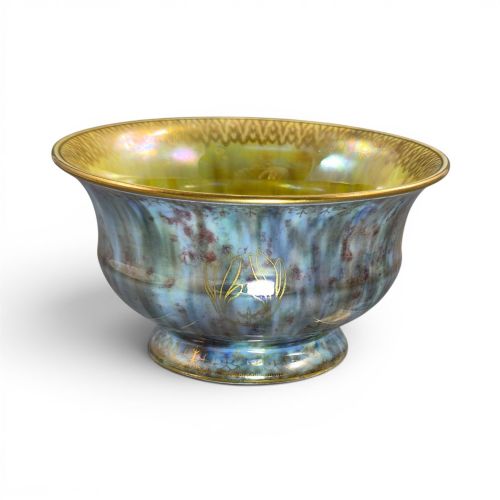
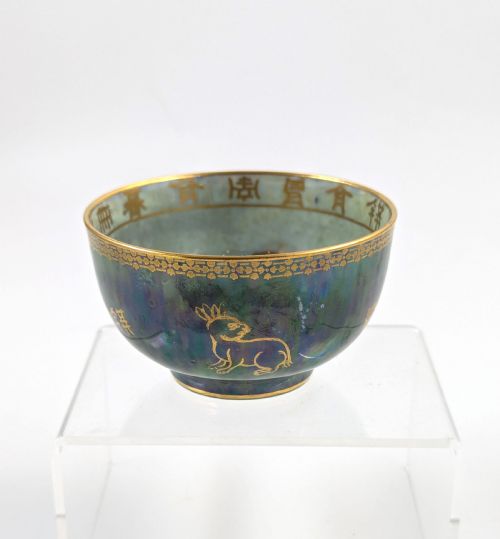
When you search for wedgwood dragon lustreware, you encounter decorative bowls, miniature cups, and decorative vases from the Edwardian era and the 1910 and 1920 periods. These items unite traditional ceramic forms with imaginative fantastical designs.
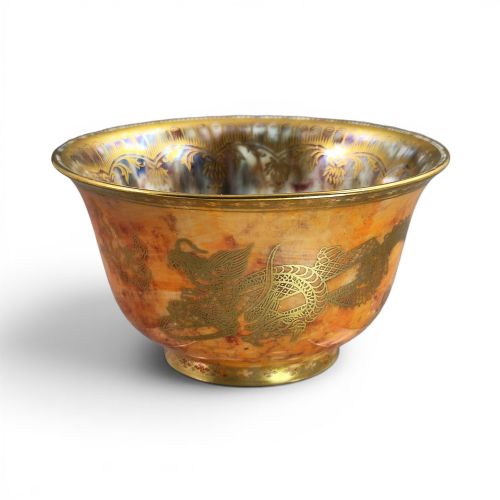
You are most likely to meet Fairyland lustre dragon bowls and ordinary lustre bud vase trios displaying Tibetan dragon motifs and patterns such as Z4823, Z4825, Z4828, and Z4831. These pieces showcase octagonal, lantern, and standard bowl shapes.
The aesthetic bridges Art Nouveau and Art Deco sensibilities through rich glazing and mythical iconography. Collectors find pieces spanning green, blue, and celestial dragon variations.
How wedgwood dragon lustreware was made
Potters shaped porcelain, bone china, and earthenware to form the foundation of each vessel. These ceramic bodies provided a smooth canvas for subsequent glazing and decorative work.
Makers applied lustre glaze to create an iridescent surface finish that catches the light. Gold leaf, gold gilt, and gold gilding were then added to highlight the dragon motifs and frame the borders.
Tibetan dragons coil around these glossy bowls, watching over your sideboard with glittering golden scales.
What varies in quality in wedgwood dragon lustreware
The clarity and registration of the dragon motif across complex forms, such as octagonal bowls or miniature cups, separate standard examples from more ambitious productions. Richness in the lustre glaze application also dictates visual depth.
The precision of the gold gilding and gold leaf detailing influences the overall impact of the piece. Superior examples maintain crisp lines and even metallic coverage across intricate patterns.
Wedgwood·Daisy Makeig Jones
The Wedgwood Dragon Lustreware Glossary
- Lustre glaze
- A metallic ceramic glaze that produces an iridescent sheen on the surface of the pottery. This technique reflects light to create shifting colour effects.
- Fairyland lustre
- A specific range of fanciful, richly coloured ceramic designs produced during the early twentieth century. These patterns often incorporate mythical creatures and elaborate landscapes.
- Bone china
- A type of porcelain containing animal bone ash, resulting in a strong, translucent body. It allows for thin-walled vessels with a bright white base.
- Gold gilt
- A thin layer of gold applied to ceramic surfaces for decorative emphasis. It highlights specific design elements like borders and motifs.
- Earthenware
- Porous pottery fired at lower temperatures than porcelain. It forms the sturdy base for certain decorated lustreware items.
Wedgwood Dragon Lustreware: Frequently Asked Questions
What is wedgwood dragon lustreware?
These pieces are ceramic vessels, including bowls, vases, and miniature cups, adorned with mythical dragon motifs and iridescent glazes. They were produced primarily during the 1910s and 1920s.
Characterised by colourful lustre finishes and intricate metallic detailing, the items combine traditional pottery forms with imaginative decorative scenes.
How do I identify a fairyland lustre piece?
Fairyland lustre pieces are identified by their imaginative, richly coloured mythical scenes and specific pattern numbers. They often feature elaborate borders and fantastical creatures.
Look for distinctive glazes that create shimmering, iridescent effects across the surface of the bowl or vase.
What materials are used in these items?
The pieces are constructed from ceramic bodies such as porcelain, bone china, or earthenware. These materials provide the structural base for the pottery.
Surfaces are finished with lustre glaze and embellished with gold leaf, gold gilt, or gold gilding to accentuate the design.
How should I display dragon lustreware?
Display these items in spaces with good lighting to allow the iridescent lustre glaze and gold gilding to catch the light. Cabinets or shelves away from direct, harsh sunlight help protect the finish.
Keep pieces on stable surfaces where their vibrant colours and detailed dragon motifs can be easily appreciated from multiple angles.
What styles influence this pottery?
The design of these pieces draws upon both Art Nouveau and Art Deco stylistic elements. This blend appears in the flowing lines of the mythical motifs and the structured forms of the vessels.
Edwardian production methods merged these artistic movements with traditional ceramic manufacturing techniques.