




Antique Dragon Lustre Bowl
An antique dragon lustre bowl brings intricate mythical imagery and shimmering metallic glazes to the table, offering a striking centrepiece for your collection.
Antique Dragon Lustre Bowl
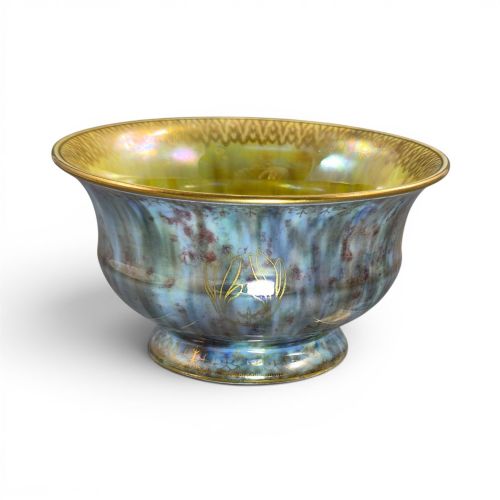
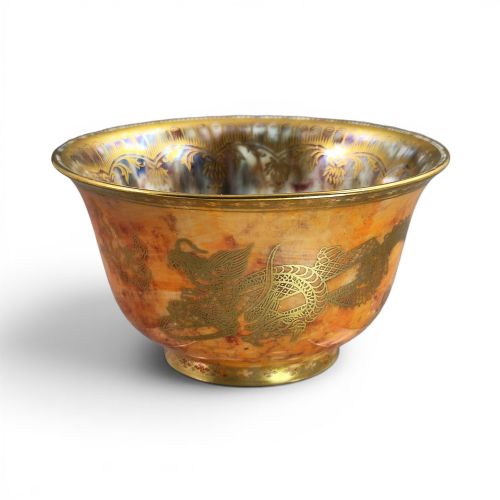
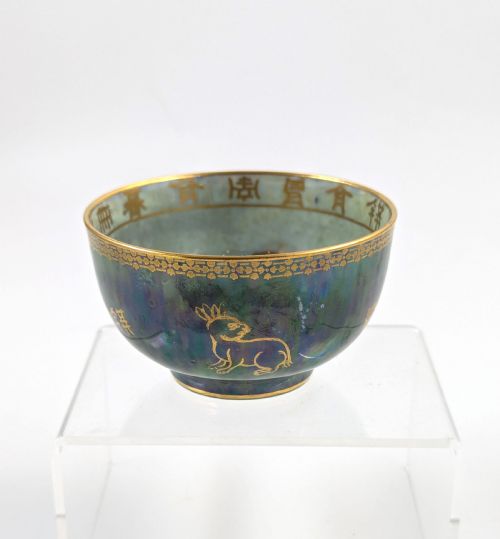
An antique dragon lustre bowl is a decorative ceramic vessel adorned with mythical creature motifs and iridescent finishes. These pieces emerge from the Edwardian era and the 1910s and 1920s, capturing the imaginative spirit of early twentieth-century design.
You are most likely to encounter decorative bowls and miniature cups featuring distinct dragon patterns. The forms range from standard circular vessels to octagonal shapes and lantern bowls, all showcasing rich ornamental detail.
Materials and construction
Makers utilised bone china and porcelain as the ceramic base for these vessels. Applying a specialised lustre glaze creates the characteristic shimmering surface effect.
The decorative schemes incorporate gold leaf, gilt, and gold gilding to highlight the coiling dragon and celestial motifs. These metallic applications react during firing to produce the deep, iridescent glow.
Materials recorded on this page include porcelain, bone china, lustre glaze, and gold leaf applications.
Assessing quality and craftsmanship
The complexity of the dragon motif influences the distinction between pieces, with specific patterns commanding greater visual presence. Variations in the lustre glaze depth and the application of gold gilding determine the richness of the finished surface.
Architectural variations such as octagonal forms or lantern shapes demand more intricate moulding than standard circular bowls. The precision of the hand-painted details and the vibrancy of the background ceramic glazes further separate standard examples from the finest productions.
Wedgwood
The Antique Dragon Lustre Bowl Glossary
- Lustre glaze
- A ceramic finish containing metallic oxides that produces an iridescent, reflective surface upon firing. This technique creates the signature shimmer seen across the vessel.
- Bone china
- A type of porcelain composed of bone ash, feldspathic material, and kaolin, known for its high strength and translucency. It provides a fine white canvas for colourful surface decoration.
- Gilt
- A thin layer of gold applied to the surface of the ceramic to accent specific design elements. This metallic detailing catches the light alongside the lustre glaze.
- Edwardian
- A historical period spanning the reign of King Edward VII, noted for elegance and refined decorative arts. Many pieces from this era exhibit transitional styles leading into later decades.
- Art Deco
- A design style characterised by sleek geometric shapes and stylised motifs that emerged in the early twentieth century. This aesthetic influenced the bolder forms and colour combinations of later pieces.
Antique Dragon Lustre Bowl: Frequently Asked Questions
How are antique dragon lustre bowls cleaned safely?
Dust these decorative vessels gently with a soft, dry cloth to protect the delicate metallic glazes and gold gilding.
Avoid immersing them in water or using abrasive cleaners, which can wear away the iridescent surface over time.
Can I use my bowl for serving food?
These ceramic pieces function primarily as decorative art objects rather than practical tableware for daily dining.
Displaying them securely on a mantelpiece or within a cabinet preserves the fragile lustre glaze and intricate gilding.
What styles influence these dragon bowls?
The pieces reflect the artistic movements of the early twentieth century, including Art Nouveau and Art Deco design sensibilities.
These styles blend traditional mythological imagery with the innovative glazing techniques characteristic of the period.
How do I identify the production era?
Examine the stylistic markers and ceramic body types to distinguish Edwardian examples from those made in the 1910s and 1920s.
Specific pattern names and vessel shapes also provide reliable clues for dating individual pieces accurately.