




Cut Glass Mirror
These cut glass mirror pieces combine reflective depth with brilliant wheel-cut or etched detailing, offering a striking focal point for any interior.
Cut Glass Mirror
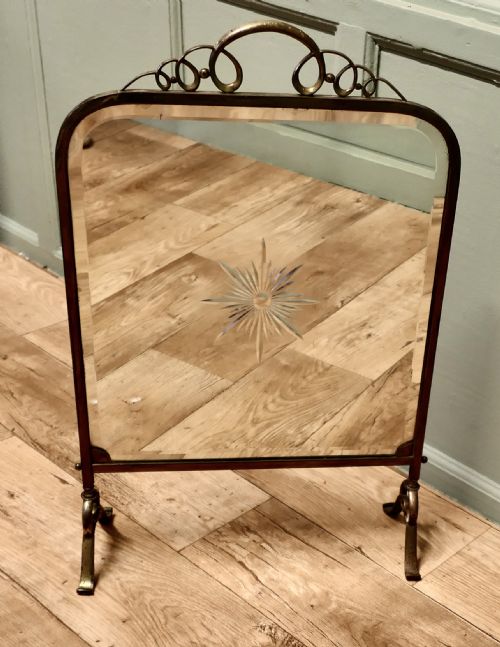
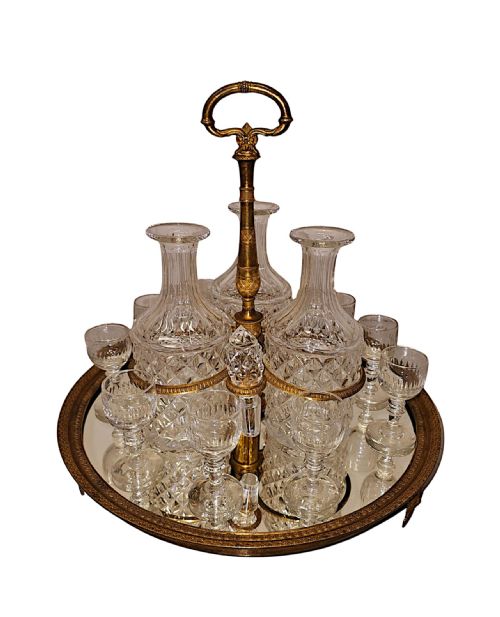
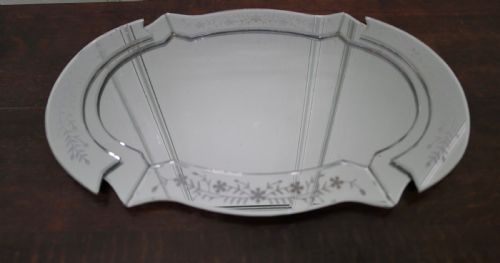
When you search for a cut glass mirror, you are looking at functional reflective surfaces embellished with brilliant wheel-cutting, bevelling, and etching. These pieces range from substantial wall-hanging panels to table-top trays and decorative screens, reflecting a diverse lineage of design.
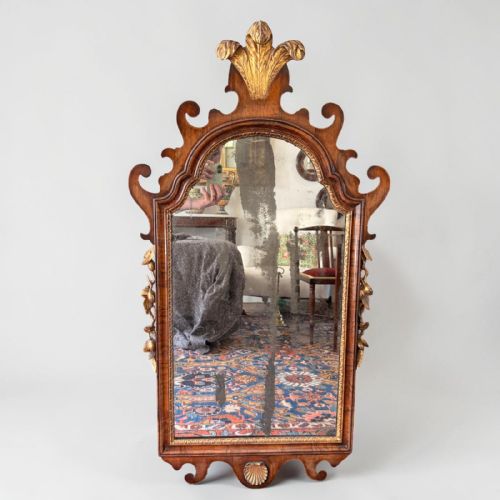
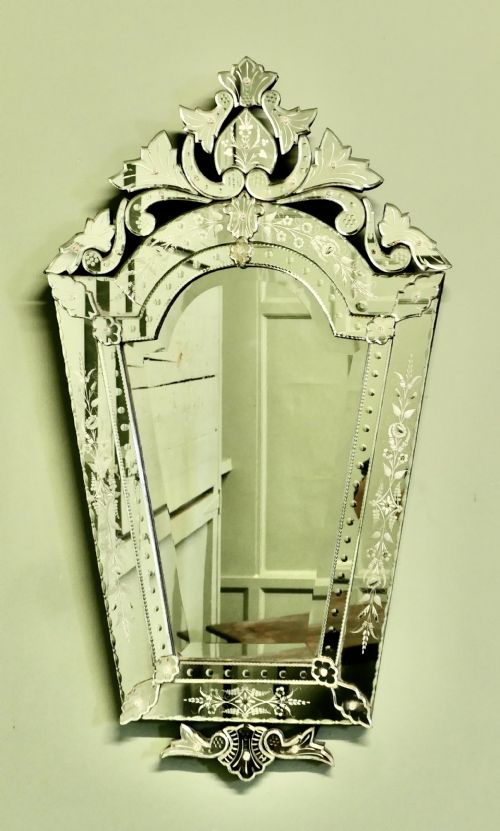
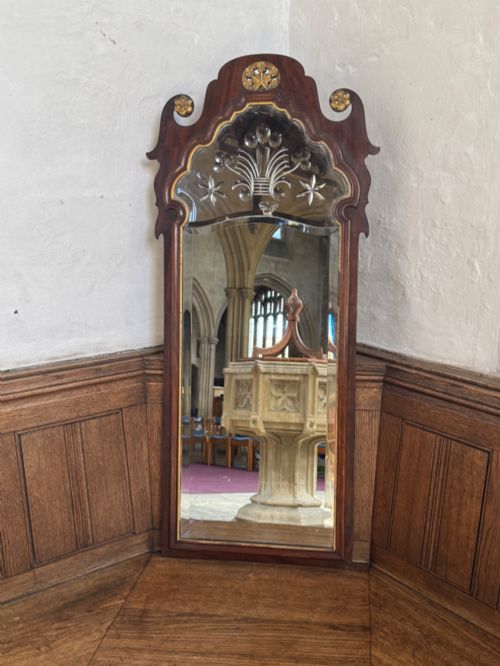
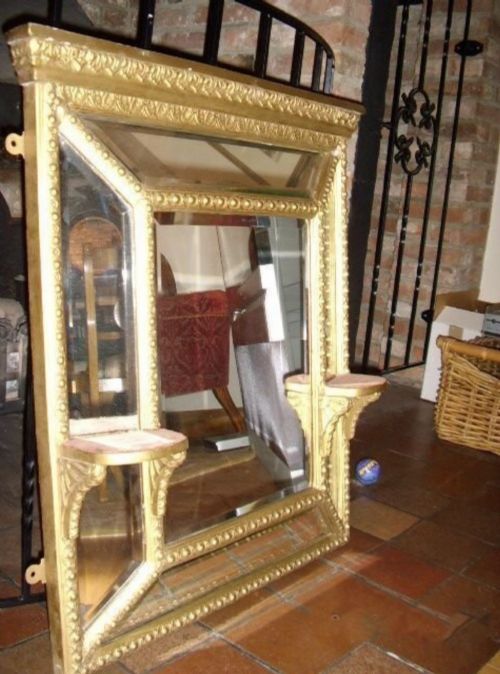
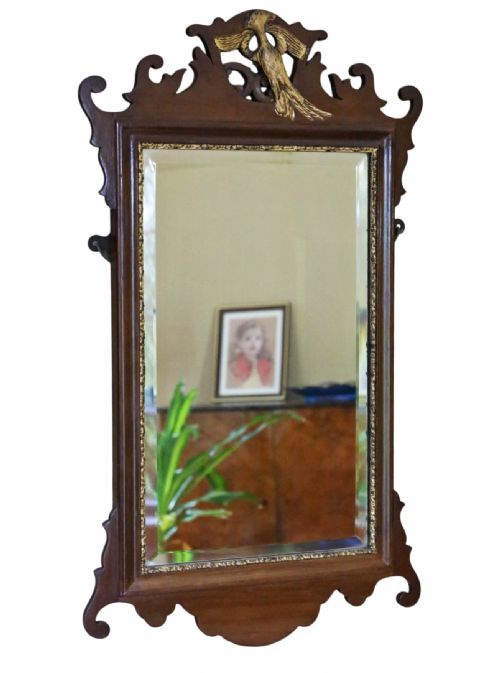
On this page, you are most likely to meet Venetian examples featuring intricate glass-framed borders, alongside Art Deco wall mirrors from the early twentieth century. These sit alongside earlier nineteenth-century variants set within wooden frames of mahogany, oak, or giltwood.
The selection also encompasses Georgian and Edwardian styles, demonstrating how makers adapted cut glass ornamentation across different eras. From small octagonal wall plates to large sunburst or arched top forms, the variety spans centuries of craftsmanship.
How They Were Made
Makers utilised heavy sheet glass, applying wheel-cutting techniques to carve deep, light-refracting facets directly into the surface. Etching and engraving were often combined with this cutting to produce opaque floral, geometric, or figural motifs against the reflective background.
Frames and structures rely on traditional materials such as oak, walnut, mahogany, brass, and giltwood to support the weight of the glass plate. Original fittings, such as brass screws, backing boards, and iron wall brackets, are integral to the construction of surviving examples.
Some sorcerer-type mirrors bring a touch of optical mischief to the wall, distorting reflections with curved glass.
What Varies in Quality
The clarity and weight of the glass plate set the foundation for quality, with heavier, distortion-free mirror glass indicating superior manufacture. Precision in the wheel-cutting separates ordinary work from exceptional pieces, where deep, sharp facets catch and scatter light cleanly.
The integrity of the frame and the retention of original fittings further distinguish better examples from restored or altered pieces. Whether dealing with a delicate Venetian glass border or a heavy mahogany frame, the harmony between the glass work and its housing dictates the standing of the piece.
The Cut Glass Mirror Glossary
- Bevelling
- Sloping the outer edges of a mirror plate to create a framed border effect. This technique adds depth and catches ambient light.
- Venetian Mirror
- A style characterised by glass frames built from smaller mirrored segments, often decorated with floral etching and coloured glass elements.
- Parcel-Gilt
- Partially gilded woodwork where gold leaf highlights specific carved details against a contrasting background of dark wood or paint.
- Tantalus
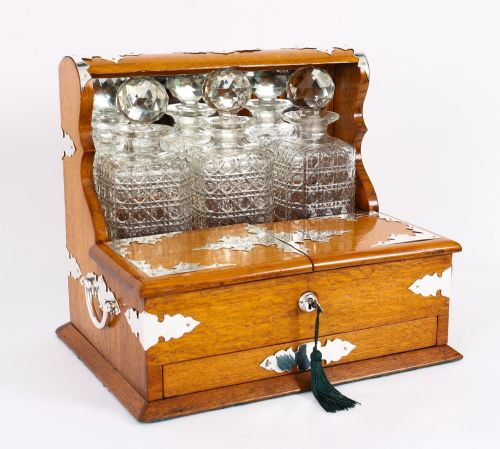
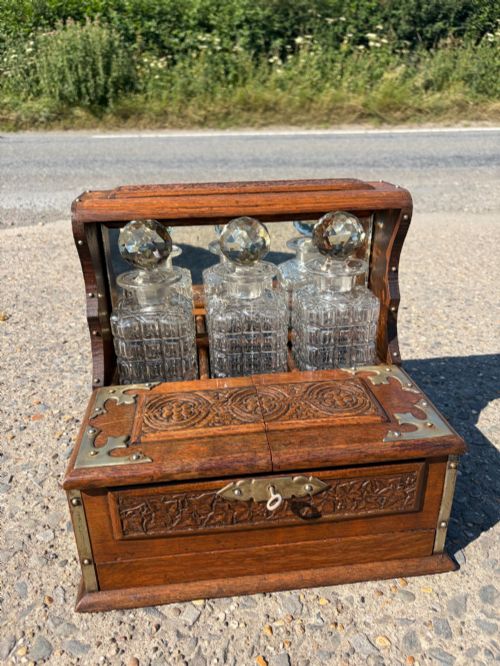
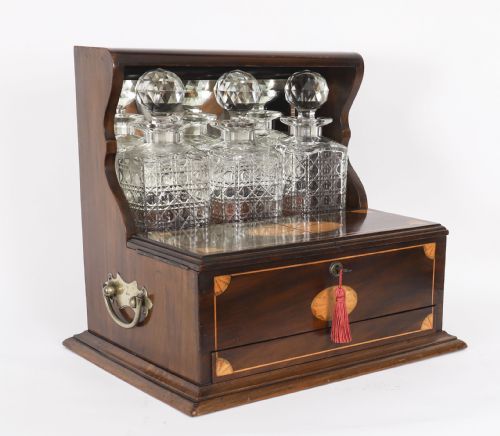
- A locking wooden drinks cabinet with visible decanters, frequently incorporating cut glass bottles and inlaid mahogany or oak construction.
Cut Glass Mirror: Frequently Asked Questions
How do I date a cut glass mirror?
Dating relies heavily on the style of the frame, the thickness of the glass plate, and the framing techniques used at the back. Earlier pieces often display hand-bevelled edges and subtle distortions in the glass.
Matching the decorative motifs, such as Art Deco geometric lines or Victorian floral engraving, to known periods helps narrow down the origin.
Are Venetian mirrors fragile?
These mirrors require careful handling because their frames consist of multiple thin glass pieces secured to a wooden backing. The applied glass elements can detach if subjected to vibration or sudden temperature shifts.
Proper wall mounting using original or appropriate structural brackets is essential for safe display.
What is a cut glass tray used for?
These trays served as decorative serving surfaces for decanters and glassware, utilising a mirrored base with cut glass borders. They were designed to sit on sideboards or tables in domestic interiors.
Today they function similarly as decorative table accents or display bases for barware.
How should I clean my mirror?
Maintenance requires gentle cleaning methods to protect both the glass surface and any surrounding antique frame or foil backing. Harsh chemical cleaners can damage older silvering and wooden finishes.
Using a soft, dry cloth prevents moisture from seeping behind the glass plate or into old joints.