

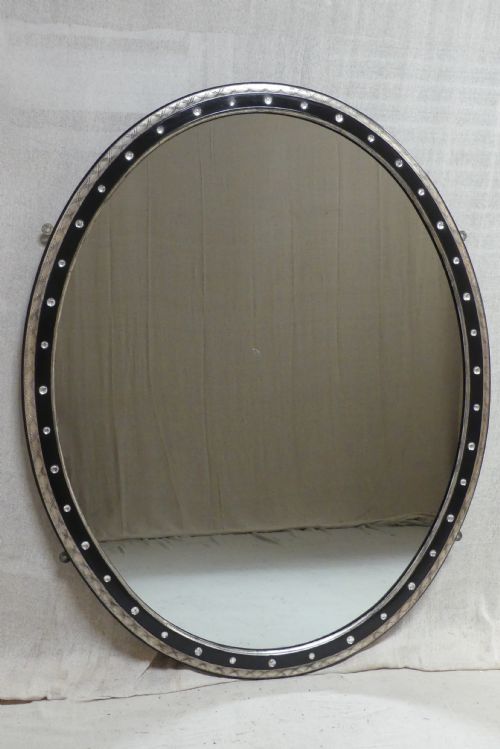


Black and Glass Mirror
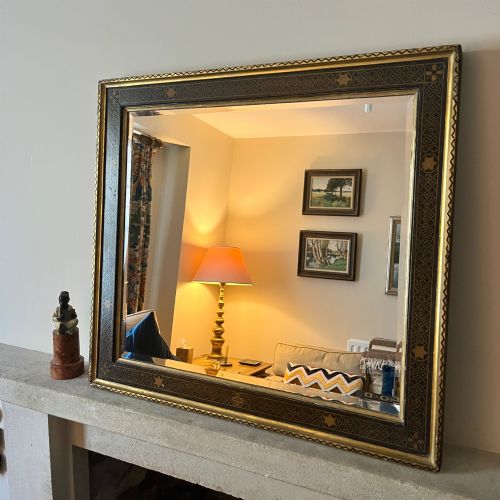
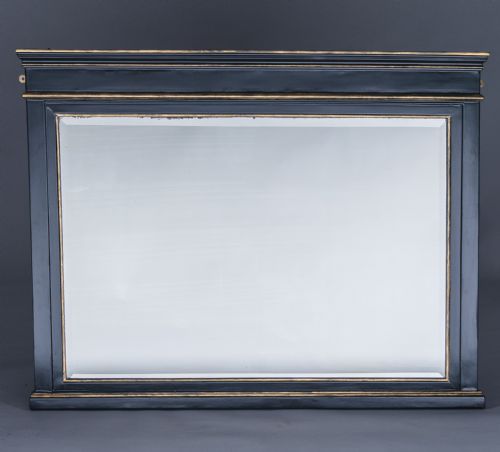
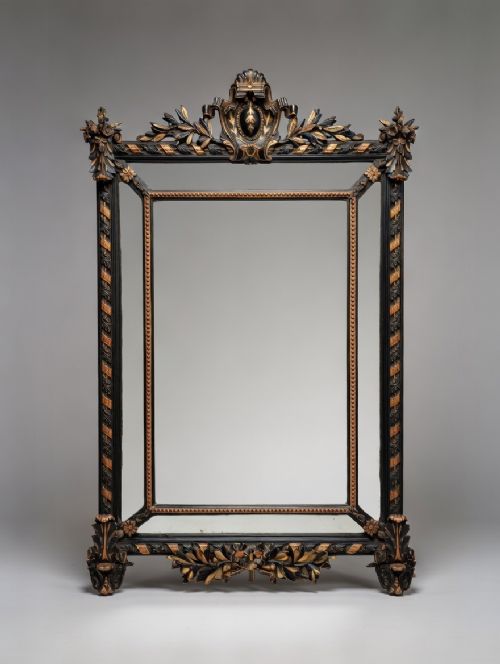
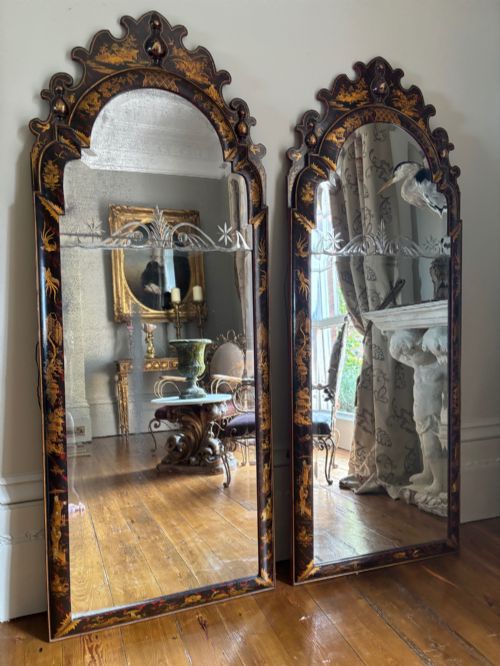
These black and glass mirror pieces combine dark timber or painted surfaces with reflective plates, offering depth and period character to an interior.
Black and Glass Mirror
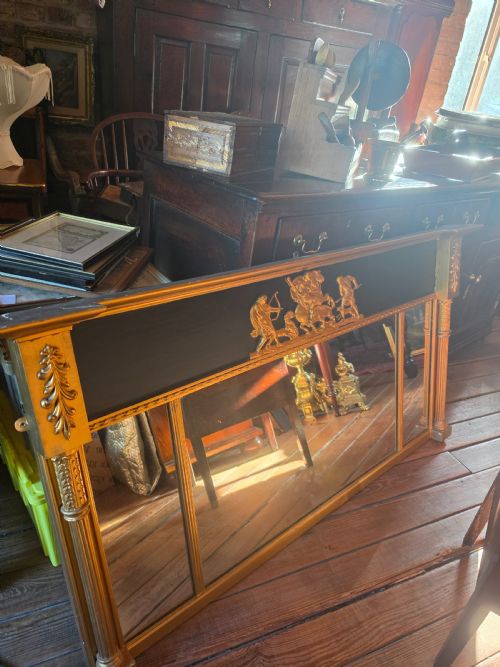
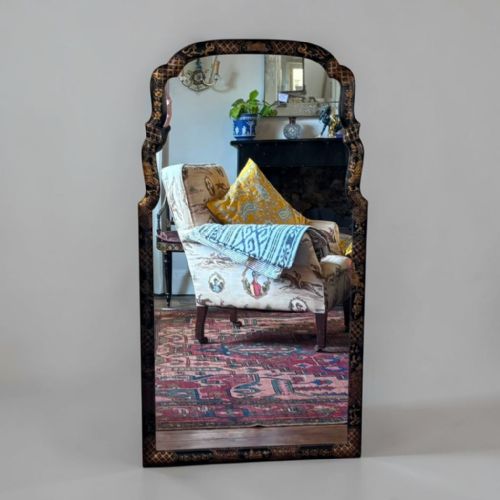
A black and glass mirror encompasses various reflective objects framed in dark woods, ebonised surfaces, or black lacquer, spanning multiple historical periods. Buyers seeking this search phrase encounter pieces ranging from Victorian overmantels and Aesthetic Movement wall hangings to Chinese export dressing mirrors and fairground distortion plates.
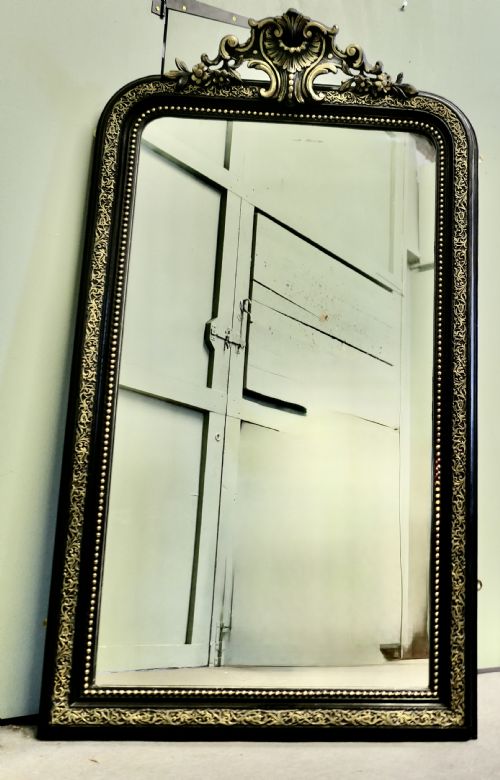
The selection on this page leans heavily toward nineteenth-century ebonised designs, Victorian hall mirrors, and early twentieth-century decorative pieces. Forms vary widely from large overmantel frames and tall pier mirrors down to smaller countertop display cabinets and handheld double-sided items.
Materials and Construction
Frames rely significantly on wood finished with ebonisation, black lacquer, or paint, often accented with gold leaf, parcel-gilt, or inlay. These dark surfaces provide a strong contrast to the silvered or mercury glass plates secured within.
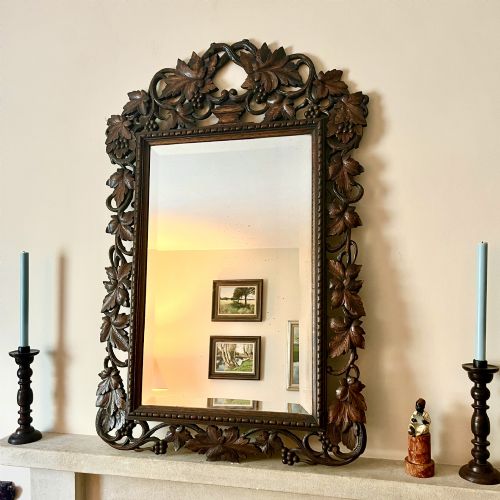
Techniques span traditional joinery and hand-carving seen in Black Forest and Gothic revival items, alongside specialist decorative methods such as reverse glass painting, acid etching, and engraving found on pub and fairground mirrors.
Materials recorded across the inventory include ebonised wood, gold leaf, lacquer, mirror glass, and painted surfaces deployed across various wall and tabletop forms.
Judging Quality and Execution
Quality rests in the crispness of the hand-carving on wood frames and the depth of finish in ebonisation, lacquer, or gilding. Superior examples maintain intact original surfaces and retain their original mirror plates rather than modern replacements.
The complexity of the glass work also distinguishes finer items, separating simple bevelled plates from intricately etched, reverse-painted, or specialised fairground and circus mirrors requiring skilled hand execution.
The Black and Glass Mirror Glossary
- Ebonised
- Wood treated with a chemical stain or black finish to imitate the appearance of expensive ebony. This treatment became particularly popular during the Victorian and Aesthetic periods.
- Overmantel Mirror
- A large mirror designed to hang specifically above a fireplace mantelpiece. These pieces frequently feature extended horizontal proportions and architectural framing.
- Pier Mirror
- A tall, narrow mirror created to hang on the pier of wall space between two windows. They often match console tables positioned directly beneath them.
- Reverse Painted Glass
- A technique where an image is painted directly onto the back of a glass sheet so that the finished picture is viewed through the front. This method yields a distinct glossy surface sheen.
- Parcel-Gilt
- Woodwork or framing decorated with partial gilding applied to highlighted carved details against a contrasting painted or dark background.
Black and Glass Mirror: Frequently Asked Questions
Where should I hang a heavy ebonised overmantel mirror?
These large framed mirrors suit placement above a functioning or decorative fireplace, anchoring the vertical space of a chimney breast. They also function effectively along principal reception room walls to reflect natural light.
Ensure the wall construction and fixings can support the substantial weight of timber frames and glass plates. Professional installation is advisable for larger nineteenth-century examples.
How do I distinguish an original antique mirror plate?
Original glass plates frequently exhibit minor age-related foxing, subtle surface distortion, and handmade imperfections that differ sharply from modern float glass. The silvering behind older plates can show gentle thinning or dark speckling.
Inspect the back of the frame to see if the original backing boards and retaining pins remain undisturbed. Replacement glass is usually brighter and lacks the characteristic depth of nineteenth-century plates.
What is the difference between Victorian and Aesthetic Movement black mirrors?
Victorian black mirrors often draw on heavier revival styles such as Gothic or heavily carved architectural motifs. They prioritize formal symmetry and solid ebonised timber construction.
Aesthetic Movement pieces embrace Japanese-inspired motifs, delicate gilt detailing, and painted decoration. They lean toward refined asymmetry and artistic lightness.
Can I use a tabletop dressing mirror in a modern hallway?
Countertop and toilet mirrors designed for nineteenth-century dressing tables adapt well to modern console tables, sideboards, or narrow hallway chests. Their compact proportions fit shallow surfaces where wall hanging is impractical.
Many feature adjustable swivel pivots, allowing the glass angle to be tilted for practical use. Their detailed bases add visual interest to entrance spaces.