
Glass Crest Mirror
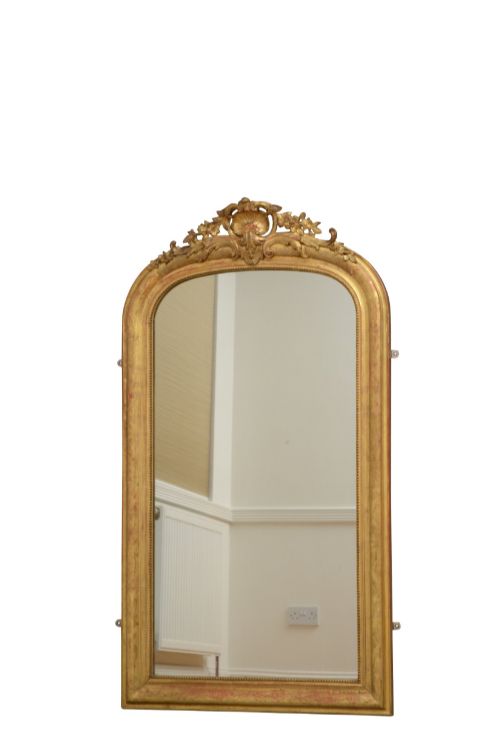
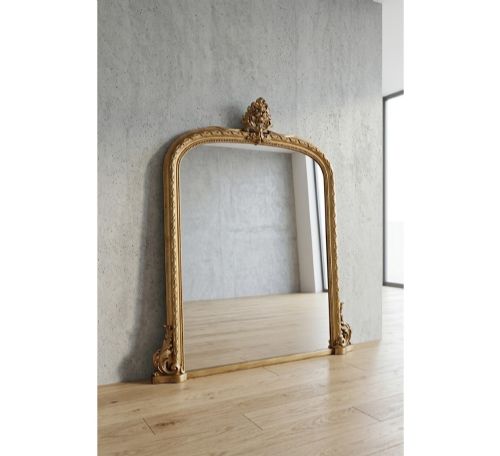
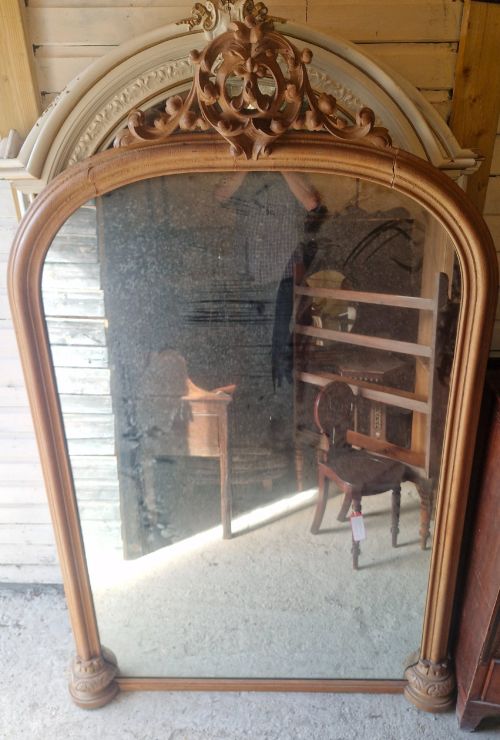
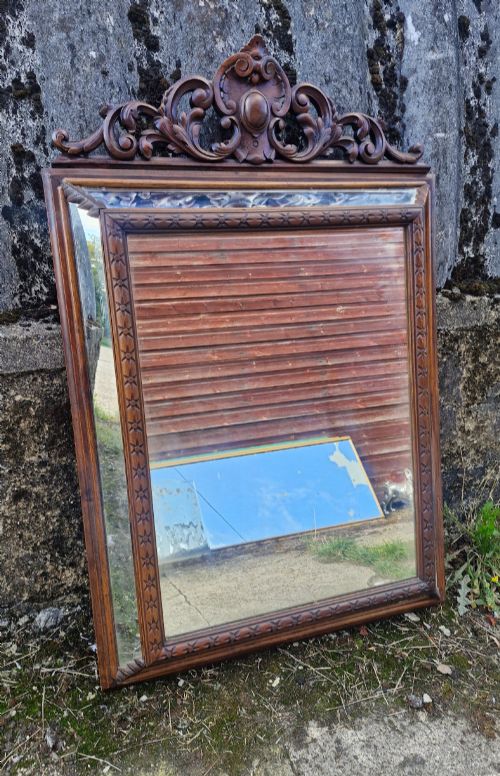
A glass crest mirror brings a striking ornamental silhouette and reflective depth to a room, drawing the eye upwards with its sculpted top.
Glass Crest Mirror
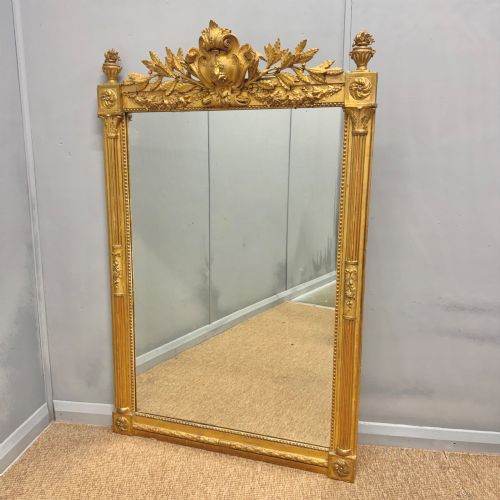
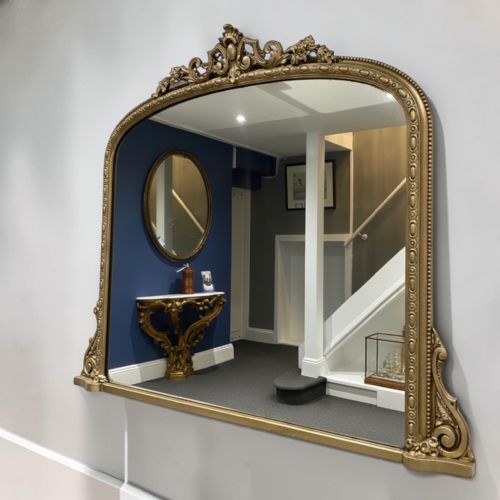
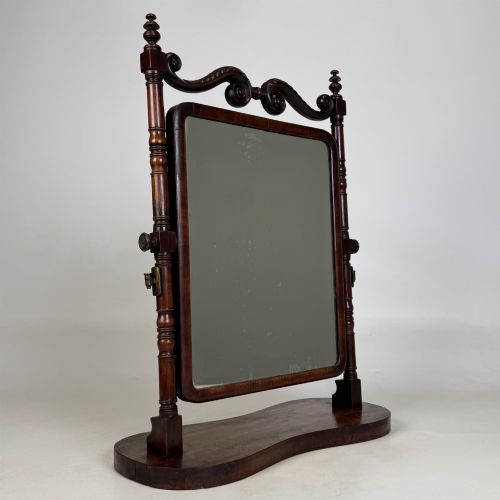
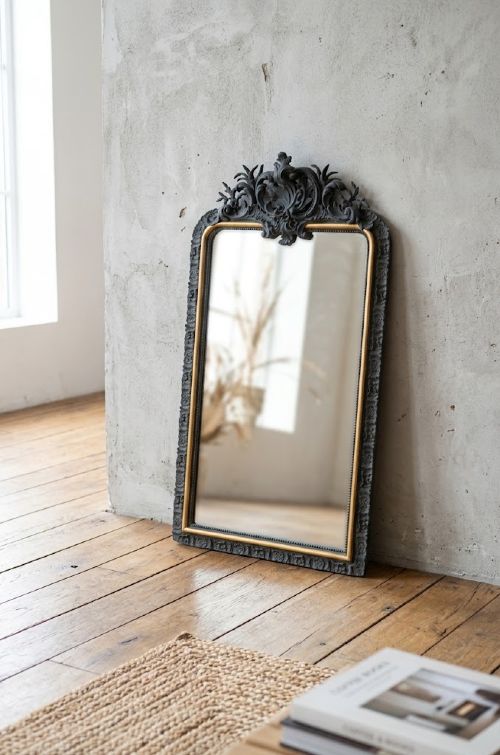
A glass crest mirror is a decorative wall or overmantel glass featuring an elaborately shaped upper crown, often integrated into the frame structure. When searching for a glass crest mirror, buyers encounter a variety of forms including tall pier glasses, cheval mirrors, and large overmantels designed to anchor a room.
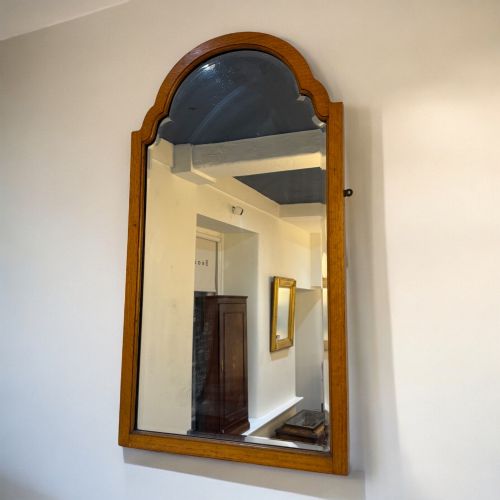
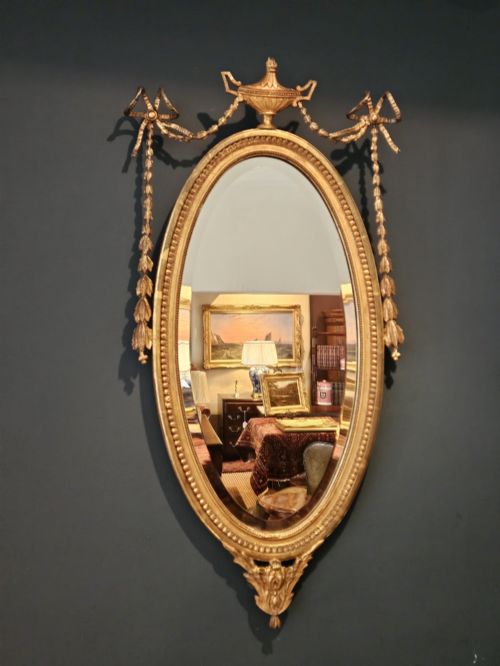
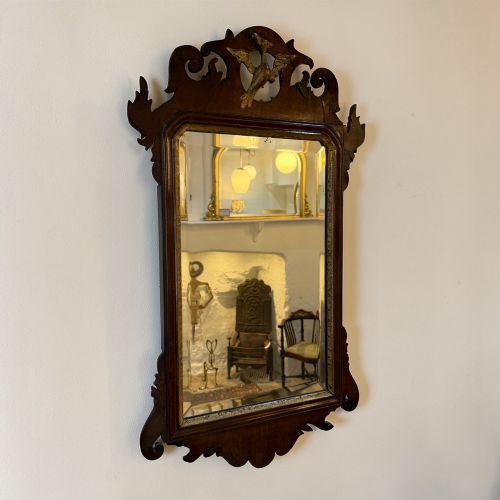
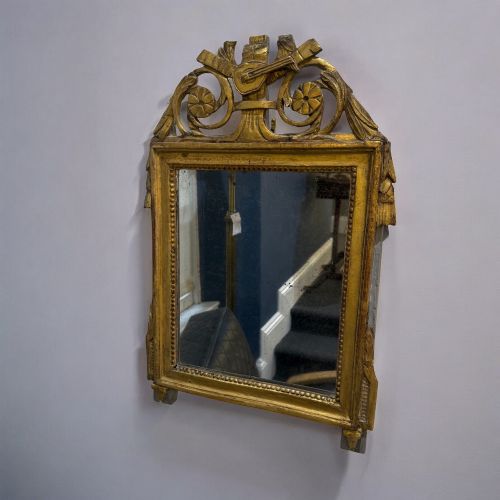
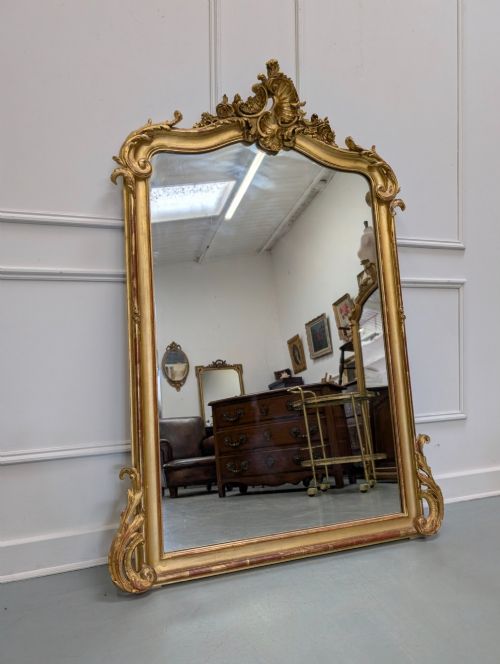
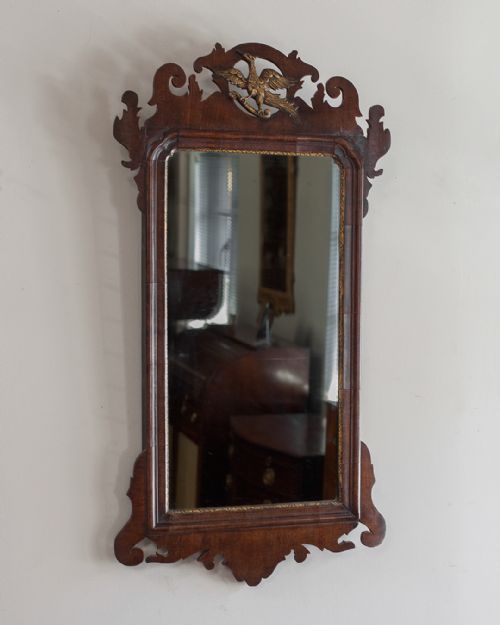
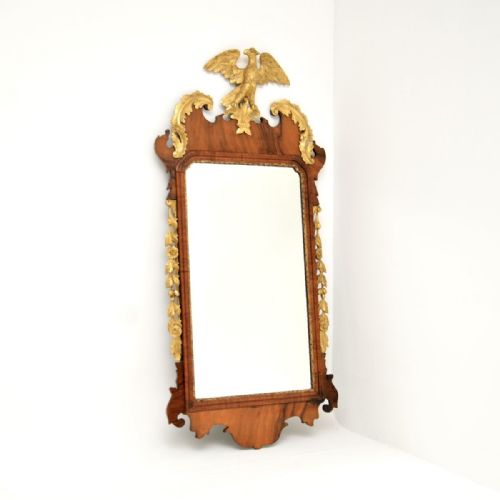
The pieces on this page span several centuries, with particular strength in 18th-century Georgian mahogany designs and ornate 19th-century giltwood and gesso examples. French, Italian, and English workshops dominate the selection, bringing regional flourishes like carved swags, urns, and Rococo curves to the upper crest.
How they were made
Mirror plates in older pieces were traditionally silvered with a mercury amalgam or produced as thicker, hand-finished glass that yields a softer reflection and develops characteristic foxing over time. Bevelled edges and reverse cut plates appear on later periods, showing advances in glass processing techniques.
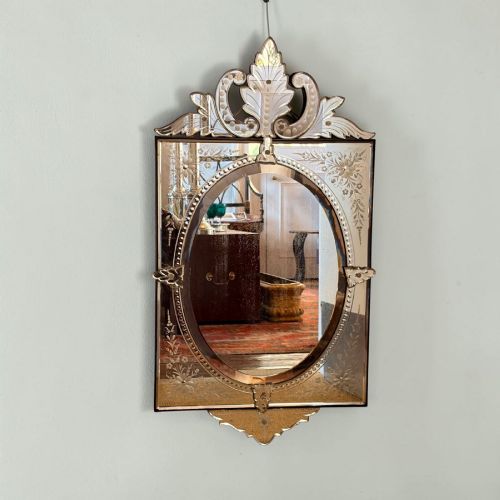
Listings feature 18th-century Georgian mahogany alongside ornate 19th-century giltwood, gesso, and Venetian glass crest mirror examples.
What varies in quality
The crispness of the carving distinguishes finer examples, as master carvers achieved sharp undercut foliage and balanced proportions in the crest that lesser workshops blurred. The depth and warmth of the original gilding or the selection of figured mahogany timber also signal a higher grade of craftsmanship.
The integrity of the mirror plate matters greatly, whether an original mercury plate retains its atmospheric speckling or a replacement has altered the piece's historical character. Structural cohesion in the joints of heavy crests and frames indicates how well the mirror has survived over generations of hanging.
Gillows Of Lancaster
The Glass Crest Mirror Glossary
- Gesso
- A plaster-like mixture applied to wood frames and carved or moulded to create intricate relief decoration before gilding. It provides the smooth, absorbent base required for traditional gold leaf application.
- Pier mirror
- A tall, narrow looking glass designed to hang on the wall space between windows. These mirrors often feature elaborate crests to draw the eye upward in high-ceilinged rooms.
- Parcel-gilt
- Partially gilded woodwork where specific carved details are highlighted in gold leaf against a contrasting painted, ebonised, or polished wood ground. This technique accentuates the architectural lines of the frame.
- Foxing
- Small dark spots and patches that develop within the silvering of older mirror plates due to oxidation over time. Many collectors prize genuine foxing for the authentic age it imparts to the reflection.
- Overmantel mirror
- A wide looking glass proportioned specifically to hang above a fireplace mantel. They frequently incorporate architectural crests and landscape formats suited to the domestic hearth.
Glass Crest Mirror: Frequently Asked Questions
Where should I hang a large overmantel mirror?
An overmantel mirror finds its natural home securely mounted above a fireplace mantel, where its width balances the hearth below and reflects light across the room.
Ensure the wall fixings are rated to support the substantial weight of carved wood and gesso frames before installation.
How do I clean antique mirror glass?
Clean antique mirror glass gently with a soft microfibre cloth and a minimal amount of distilled water or mild glass cleaner.
Avoid spraying liquid directly onto the glass, as moisture can seep behind the plate and accelerate the deterioration of original silvering or foxing.
Are these mirror plates original?
Many pieces retain their original mercury or early silvered glass plates, often identifiable by subtle surface distortions, minor imperfections, and natural foxing.
Some mirrors have received later replacement plates over their long histories to maintain a clearer reflection for daily use.
How do I identify a Georgian mirror?
Georgian mirrors typically feature dense mahogany timbers, fret-carved scrollwork, and understated parcel-gilt highlights in the manner of Chippendale or Kent.
Construction details such as hand-cut dovetails and old pine secondary woods often help confirm the 18th-century origin of the frame.