
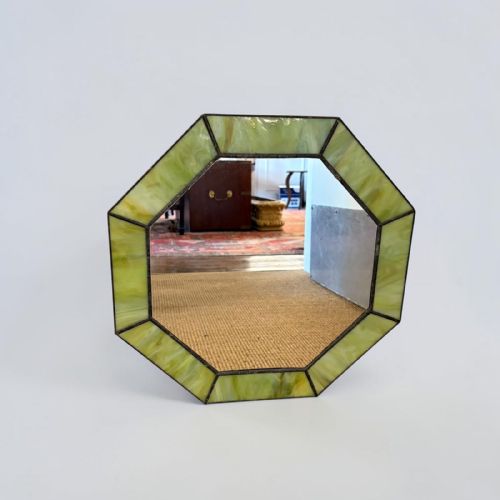
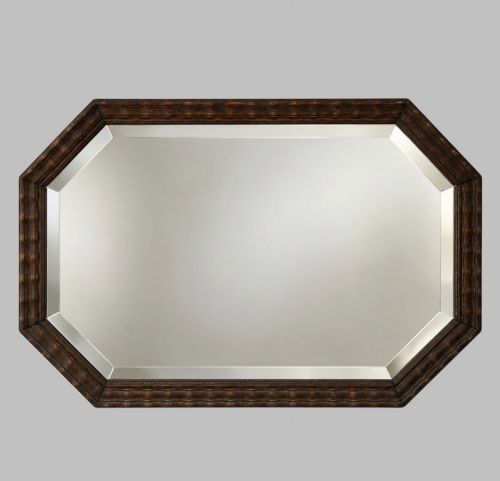
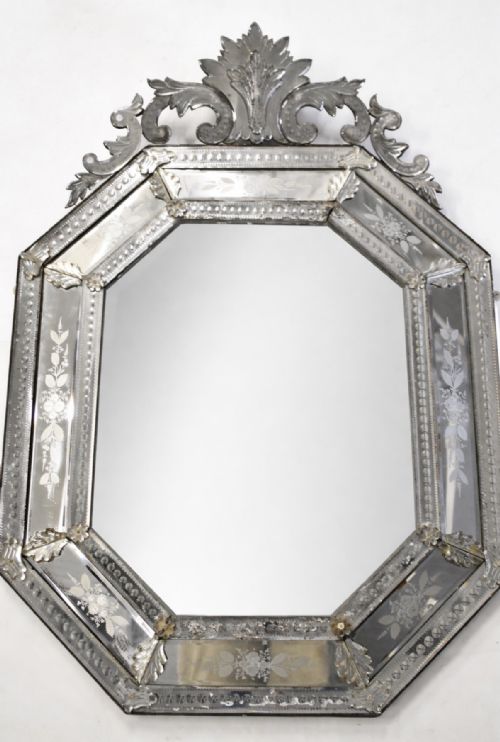


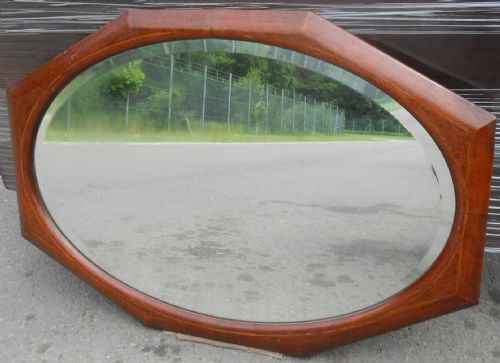


Vintage Octagonal Glass Mirror
A vintage octagonal glass mirror brings clean geometric angles and bright reflection to a hallway or living space.
Vintage Octagonal Glass Mirror
The selection on this page demonstrates how these shapes adapt across different aesthetic movements. Examples include striking art deco pieces from the nineteen-thirties alongside earlier wooden frames from the Edwardian and Victorian periods.
Materials and construction
Makers utilised solid timbers such as oak, mahogany, walnut, and ebonised wood to build sturdy foundations for the reflective glass. Frames frequently incorporate metal elements including brass and copper, adding distinct decorative character to the borders.
Mirrored glass plates are cut and fitted meticulously within these enclosures, often featuring bevelled edges that catch and refract light. Some interpretations rely on frameless construction, where the glass itself forms the eight-sided silhouette.
Assessing quality and craftsmanship
Superior examples distinguish themselves through the precision of the frame joinery and the depth of the glass bevelling. The integration of secondary materials like copper or brass accents reveals the care taken by the original maker.
The integrity of the silvering behind the glass and the stability of the backing timber indicate how well a piece has survived over the decades. Higher quality lies in the harmonious balance between the weight of the frame and the clarity of the reflection.
Waring and Gillow
The Vintage Octagonal Glass Mirror Glossary
- Bevelling
- The angled edge cut along the perimeter of the glass plate. This technique creates a prismatic light effect and signals finer manufacture.
- Ebonised
- Timber treated to resemble ebony, providing a deep black finish popular in nineteenth-century decorative items.
- Art Deco
- A design style emerging in the early twentieth century characterised by sleek geometric shapes and stylised motifs.
- Venetian
- A regional style known for ornate glasswork and elaborate framing where the mirror glass itself forms part of the decorative scheme.
Vintage Octagonal Glass Mirror: Frequently Asked Questions
What rooms suit an octagonal wall mirror best?
The geometric eight-sided shape works exceptionally well above mantelpieces, in narrow hallways, or as a focal point in a bedroom. Its distinct angles contrast nicely against rectangular furniture and soft furnishings.
Placing the glass opposite a window maximises natural light distribution across smaller interior spaces.
How should I clean antique mirrored glass?
Use a soft microfiber cloth and a mild ammonia-free glass cleaner applied to the cloth rather than directly onto the surface. This prevents moisture from seeping behind the plate and damaging the silver backing.
Take care around wooden or metal frames to avoid exposing vulnerable period finishes to excess liquid.
How do I date a vintage mirror?
Examine the materials, backboards, and mounting hardware for clues about the manufacturing period. Older pieces often feature hand-bevelled glass, dense hardwoods like oak or walnut, and traditional joinery methods.
Stylistic markers such as art deco geometric lines or Victorian ebonised wood also point directly to specific eras of production.