

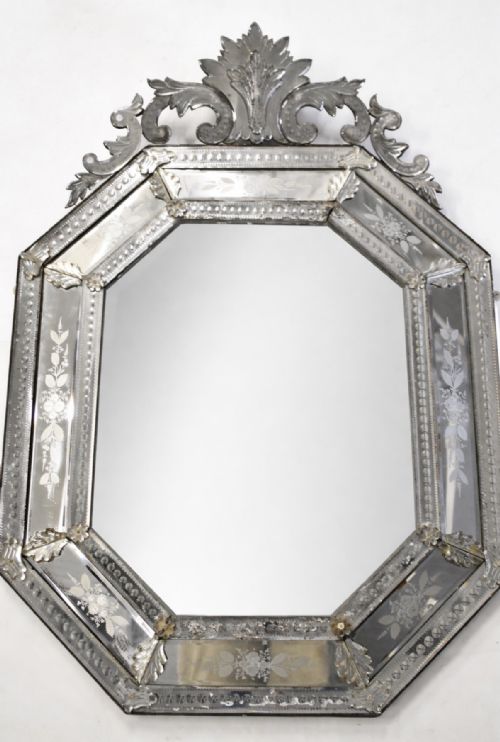


Cushion Frame Wall Mirror
A cushion frame wall mirror brings depth and architectural presence to a room, using its rounded profile to catch the light from multiple angles.
Cushion Frame Wall Mirror
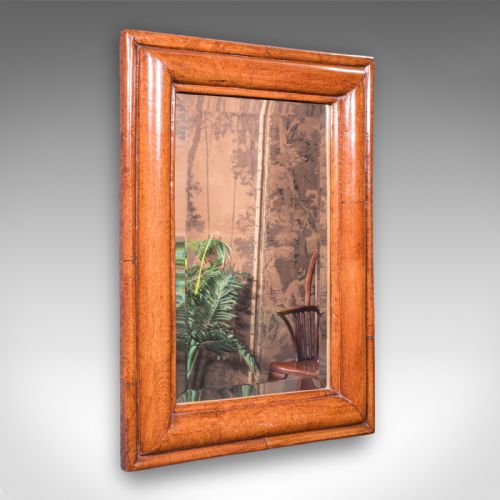
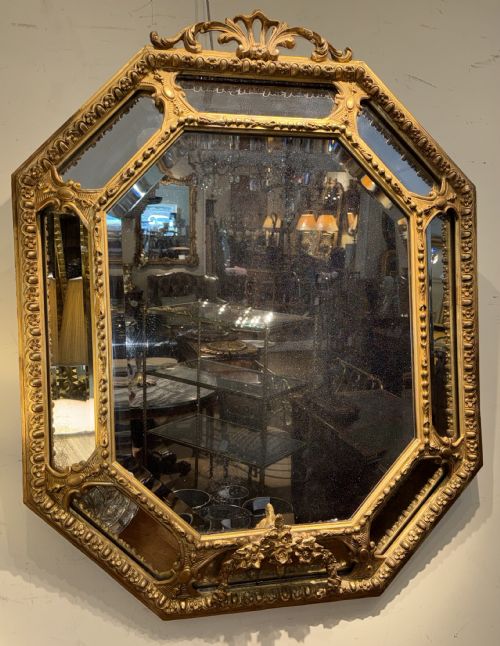
A cushion frame wall mirror relies on a convex, padded or steeply sloping profile that pushes the central glass forward within the room. When buyers search for a cushion frame wall mirror, they encounter pieces spanning the seventeenth century through to the early twentieth century, with nineteenth-century examples appearing most frequently on this page. These pieces draw on French, Italian, Dutch, and English design traditions.
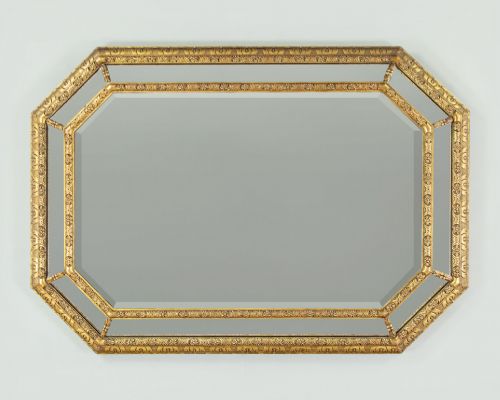
The forms range from compact reception hall vanity mirrors to large overmantel and wall mirrors designed for principal rooms. Styles reference historic periods including William and Mary, Louis Philippe, Victorian, and Edwardian aesthetics. The glass itself often sits deep within the frame, sometimes bevelled or executed in mercury glass.
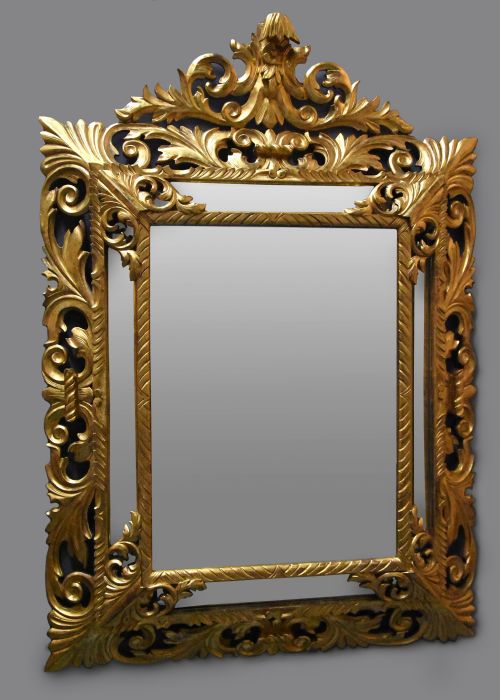
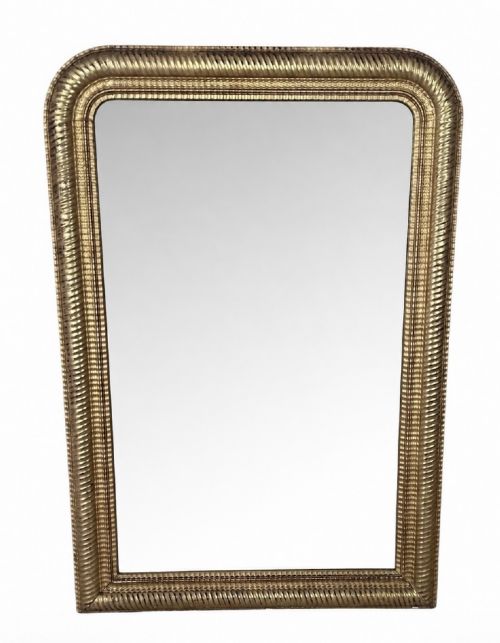
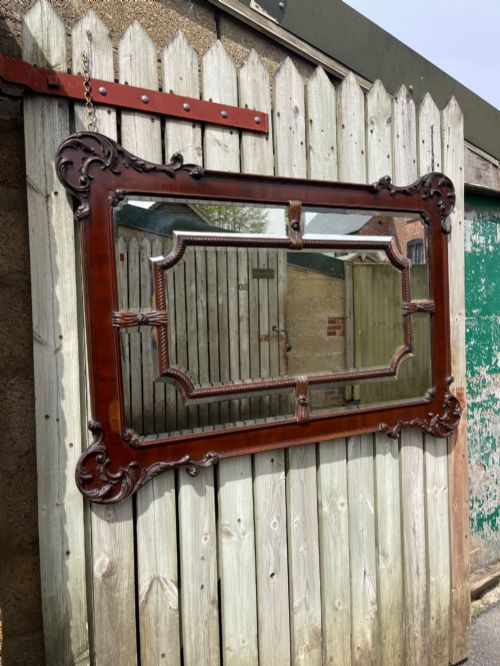
Makers and craftsmen utilised varied woods and metals to construct these distinctive frames, applying giltwood, walnut, oak, mahogany, and embossed brass. Regional variations are common, from Venetian engraved glass to Flemish repoussé metalwork and Florentine carved giltwood. Each piece balances functional reflection with substantial decorative weight.
How cushion frame wall mirrors were made
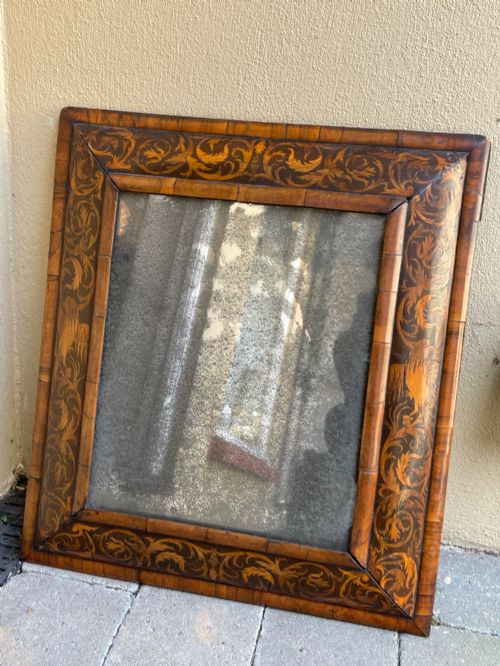
Makers constructed the characteristic profile of a cushion frame wall mirror using softwood or hardwood carcases built up with gesso, or by shaping solid timbers such as walnut, oak, and mahogany. Carpenters applied veneers like oyster cut sections or marquetry inlay to enrich the wooden surfaces of earlier pieces. Metal versions relied on beaten, embossed, or repoussé brass sheets mounted over wooden frames.
Giltwood and painted examples received layers of gesso before being finished with gold leaf, paint, or ebonisation to create contrasting textures. Craftsmen set mirror glass by hand into the rebate, frequently using bevel-cut plates or mercury glass that developed characteristic ageing over time. Joinery techniques varied from pegged mortise and tenon frames to sectional wood assemblies designed to support heavy glass plates.
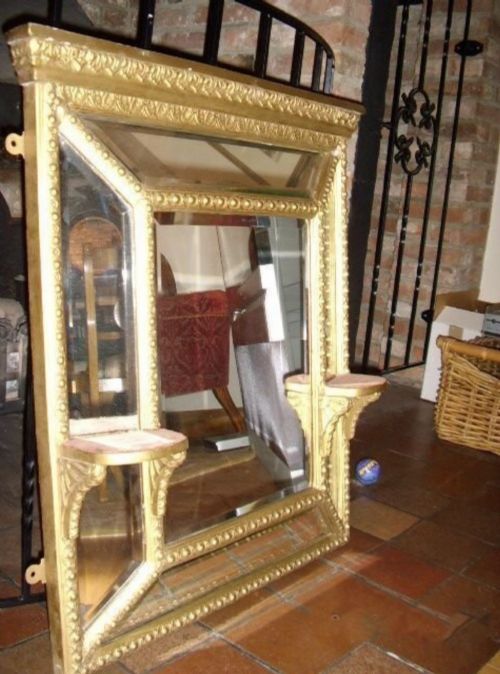
Some nineteenth-century French frames managed to incorporate tiny ornament shelves right into the cushion moulding, perfect for miniature treasures.
What varies in quality
The quality of a cushion frame wall mirror rests upon the depth and intricacy of the frame moulding, the integrity of the underlying gesso or timber, and the originality of the mirror plate. Finer examples display crisp hand-carved details, complex marquetry, or heavy repoussé metalwork rather than simplified mechanical mouldings. The retention of original mercury glass or early bevelled glass plates distinguishes better examples.
Construction methods also dictate quality, seen in the solidity of the timber carcase and the precision of the mitres and joints. Pieces that retain their original gilding, ebonisation, or surface patination without excessive later intervention command greater regard among collectors. The balance of proportions between the generous cushion profile and the central mirror glass determines the visual success of the piece.
The Cushion Frame Wall Mirror Glossary
- Cushion frame
- A framing style characterised by a convex, slope-sided profile that swells outward toward the outer edge before dropping to the glass. This padded or rounded shape creates distinct shadow lines and reflects light across multiple planes.
- Giltwood
- Timber that has been coated with a thin layer of gold leaf over a prepared gesso ground. It provides a luminous surface that catches ambient room light.
- Mercury glass
- An early form of double-walled glass blown with a silvering mixture inserted between the layers and sealed. It produces a soft, mottled reflection with characteristic dark speckling.
- Oyster veneer
- Slices cut transversely across small branches or roots of timber, revealing concentric growth rings resembling oysters. It creates a distinctive patterned surface popular on seventeenth-century frames.
- Repoussé
- Metalworking technique where the metal is hammered from the reverse side to form a raised design in relief. It appears frequently on brass and Dutch-style frames.
Cushion Frame Wall Mirror: Frequently Asked Questions
Where should I hang a cushion frame wall mirror?
These mirrors suit principal reception rooms, hallways, and above mantelpieces where their volumetric frames can catch direct light. Their architectural presence works best on a clear wall surface with adequate space around the perimeter.
Because the frame projects significantly from the wall, consider eye lines and traffic flow in narrower spaces. Overmantel placement remains a traditional choice, echoing historic domestic arrangements.
How do I identify the period of a cushion frame wall mirror?
Dating relies on combining the timber types, joining methods, and the characteristics of the mirror glass itself. Early seventeenth- and eighteenth-century examples often feature walnut veneers, oyster cuts, or intricate marquetry inlay.
Nineteenth- and early twentieth-century versions frequently employ heavier gessoed giltwood, stamped brass, or oak carcases. Examining the backboards, fixings, and edge work of the glass plate helps confirm the era of production.
How do I clean and care for the glass and frame?
Dust the frame gently with a soft, dry brush to protect delicate gesso, giltwood, or patinated brass surfaces. Avoid applying liquid cleaners directly to the frame or allowing moisture to reach exposed wood.
Clean the mirror glass sparingly using a soft cloth dampened slightly with water or a mild glass cleaner, taking care not to let liquid seep behind the edges of the plate.