






19th Century Cushion Mirror
A 19th century cushion mirror offers a distinctive convex frame profile that draws light into a room with striking depth and presence.
19th Century Cushion Mirror
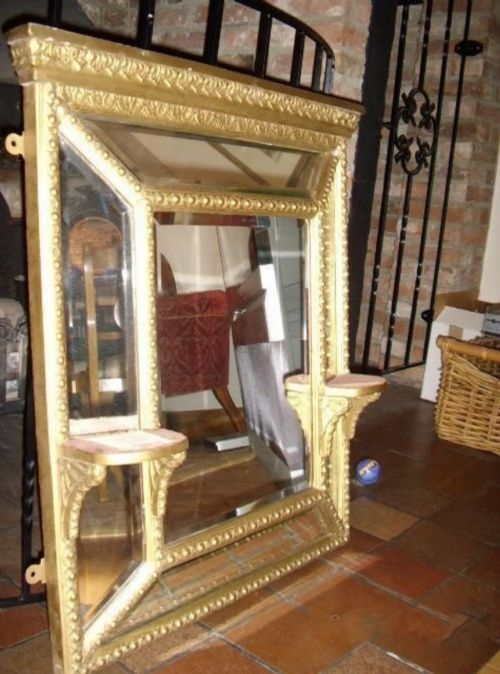
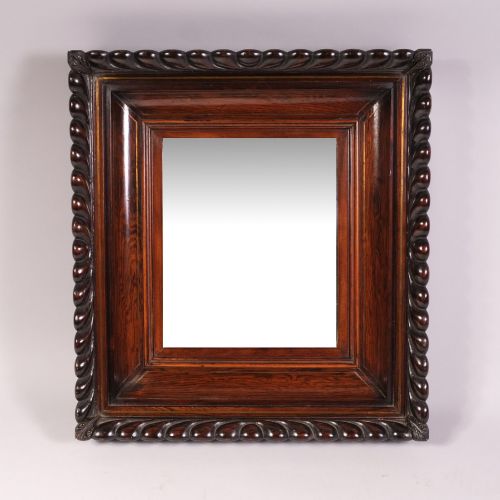
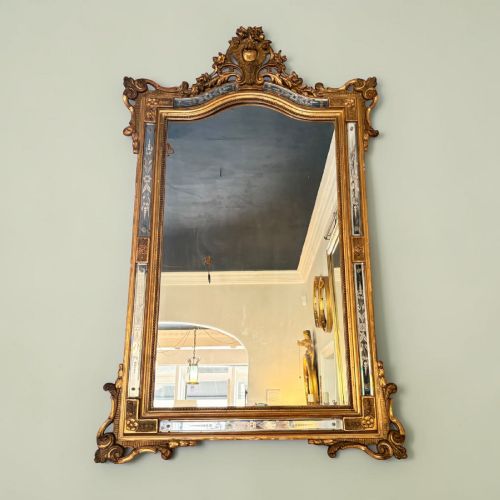
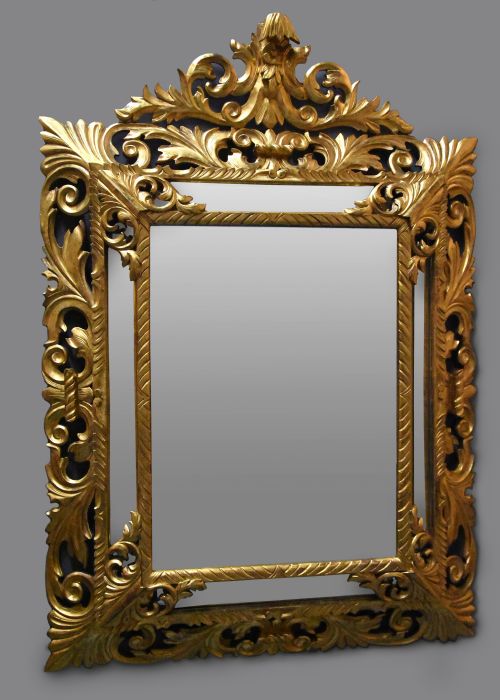
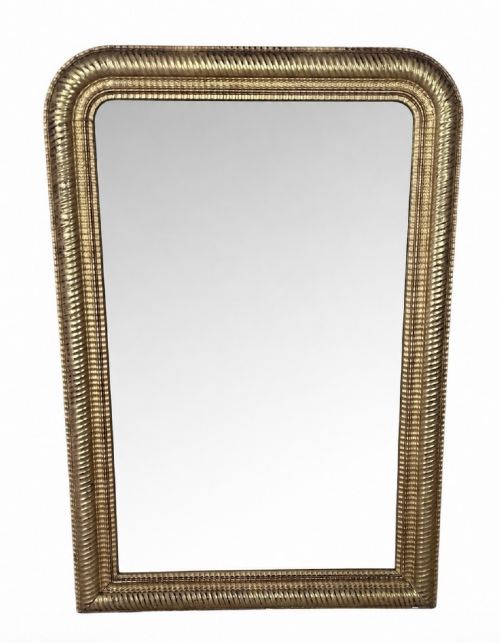
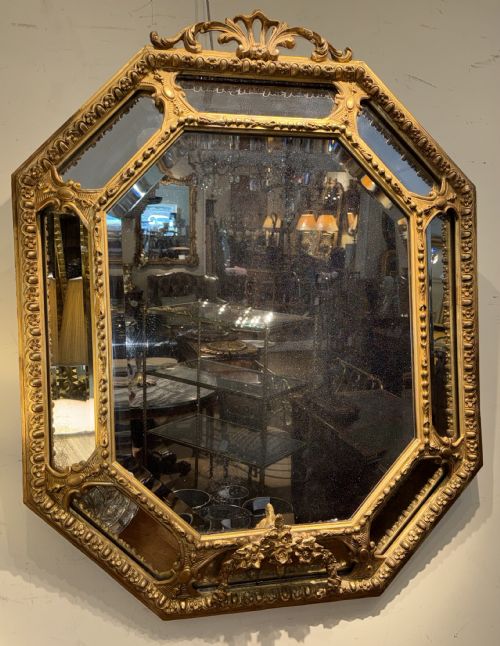
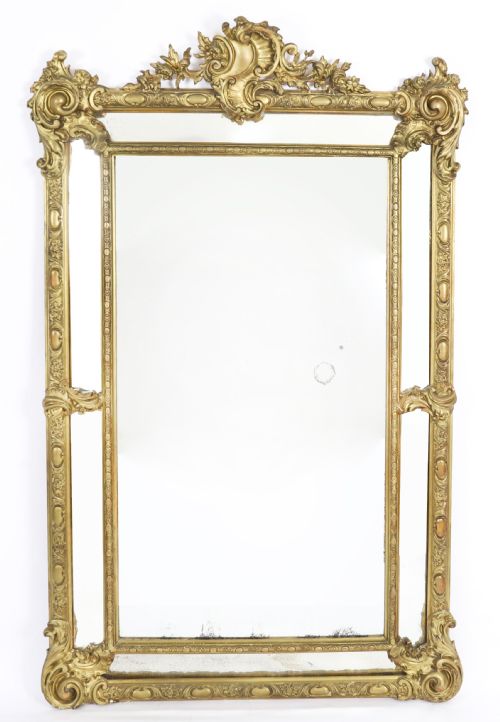
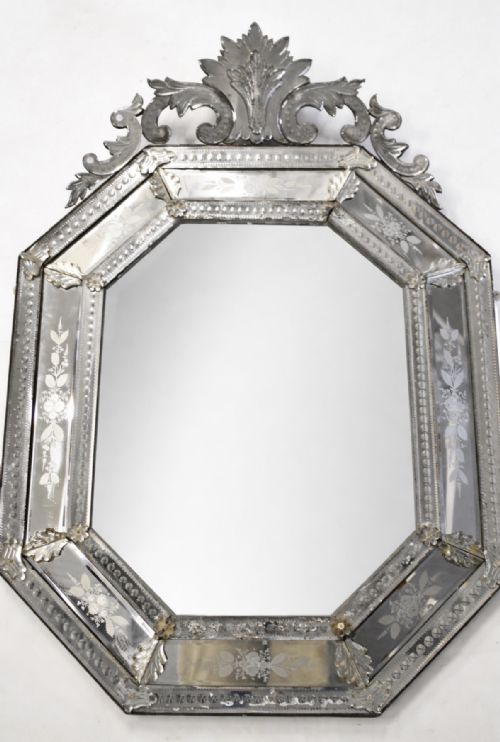
A 19th century cushion mirror is defined by its sloping, rounded frame profile that resembles a soft cushion before meeting the central glass plate. These wall-hanging and overmantel pieces appear frequently in French Louis Philippe, Italian Baroque Revival, and Flemish styles.
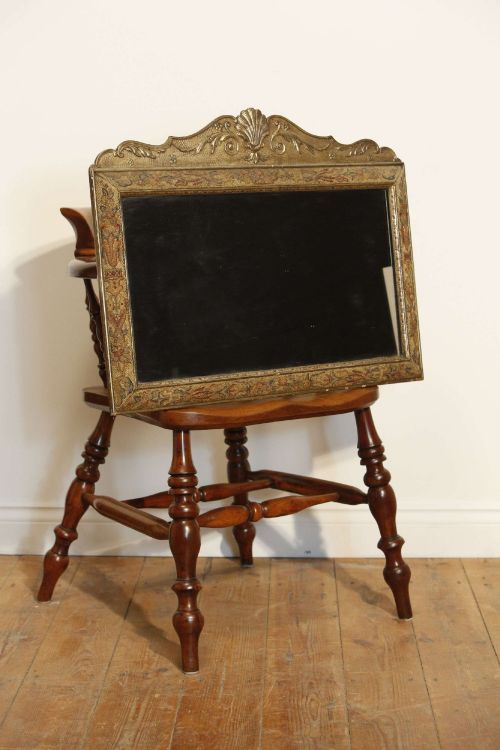
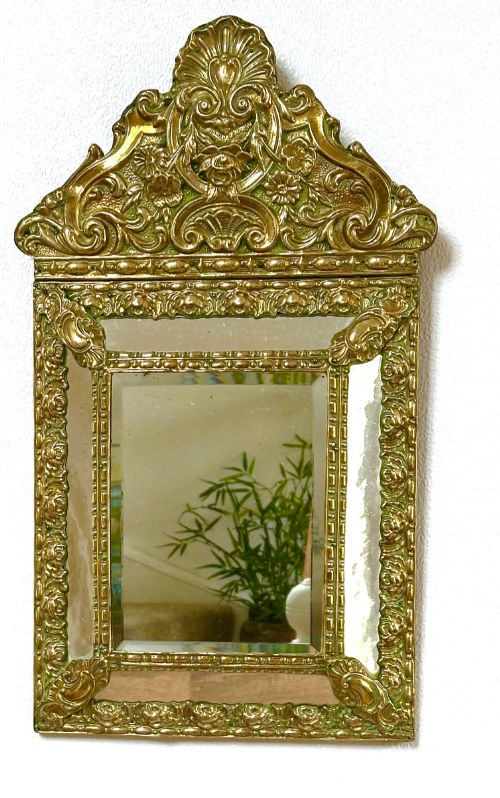
Buyers encounter numerous variations, from large giltwood and gesso frames to pressed brass Dutch and Venetian designs. Many examples originate from the Victorian and Georgian periods, showcasing arched tops or rectangular proportions.
The form functions effectively as both a practical looking glass and a decorative architectural element. Smaller pieces serve as accent wall mirrors, while larger overmantel versions dominate a room.
Evaluating Quality and Craftsmanship
Quality rests in the depth and precision of the carved wood or repousse metalwork on the sloping frame. Superior pieces display crisp detailing in the gesso and rich application of original gold leaf.
The integrity of the plate glass and its silvering differentiates standard items from exceptional ones. Original mercury plates and bevel-cut glass add historical depth to the piece.
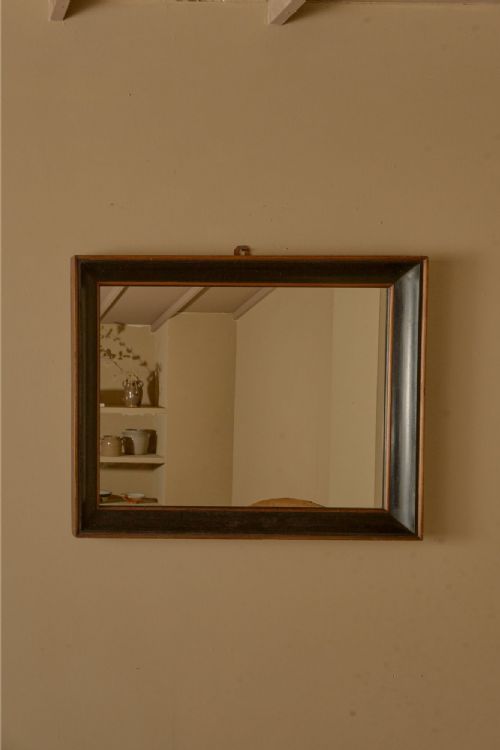
Structural joinery and the retention of original finishes, whether giltwood, paint, or ebonisation, govern the overall standard. Examples retaining undisturbed surfaces demonstrate better preservation.
19th Century Cushion Mirror Retail Price Guide 2026
Typical asking prices for 19th century cushion mirror among the pieces listed under this phrase on Sellingantiques today, from the lower quarter to the upper quarter. They describe what is for sale here now, not the wider market.
Listings feature periods spanning the Georgian, Regency, Victorian, and Edwardian eras alongside 19th-century French and Italian revivals.
The 19th Century Cushion Mirror Glossary
- Cushion mirror
- A looking glass featuring a convex, sloping frame profile that swells outward toward the outer edge. This design directs ambient light inward toward the central plate.
- Gesso
- A plaster-like mixture applied to wooden frame bases to provide a smooth surface for gilding or painting. Artisans carved intricate decorative motifs directly into this dried layer.
- Repousse
- A metalworking technique where the artisan hammers thin brass from the reverse side to create raised ornamentation. This method defines many Flemish and Dutch frames.
- Overmantel mirror
- A large horizontal or arched looking glass designed to hang directly above a fireplace mantel. These pieces often anchor the proportions of a principal room.
- Giltwood
- Timber coated with a thin layer of gold leaf over a prepared bole and gesso foundation. It provides the brilliant reflective surfaces seen on many French and Italian frames.
19th Century Cushion Mirror: Frequently Asked Questions
How do I hang a heavy cushion mirror safely?
These pieces require robust wall fixings due to the substantial weight of the timber, gesso, and thick glass plates.
Professional mirror hangers typically utilise heavy-duty brackets secured directly into wall studs or masonry.
Where should I place a cushion mirror in a room?
Position the piece opposite a window to maximise the reflective capacity of the convex frame and glass.
Overmantel placements above a fireplace remain traditional, though large wall variants suit hallway or living room focal points.
How do I clean a antique mirror frame?
Dust the sloping wooden or brass frame gently with a dry, soft brush to protect delicate gesso and leaf.
Avoid liquid cleaners on giltwood or painted surfaces, using only mild moisture on glass while keeping moisture away from the frame joints.
How do I distinguish French and Dutch styles?
French examples often favour carved giltwood, gesso, and smooth Louis Philippe curves or rope-twist details.
Dutch and Flemish pieces frequently employ embossed repousse brass, ebonised wood, and distinctive floral or figural motifs.