


Antique Tortoiseshell Mirror
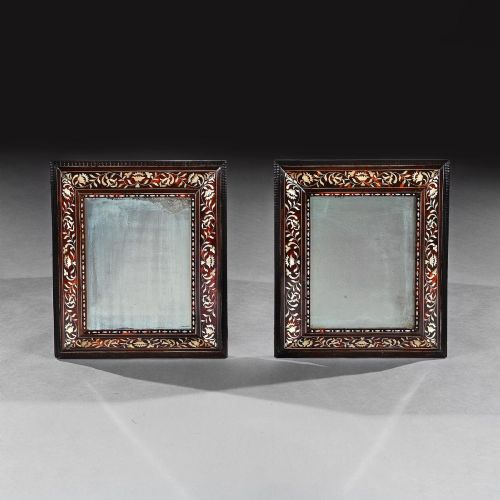
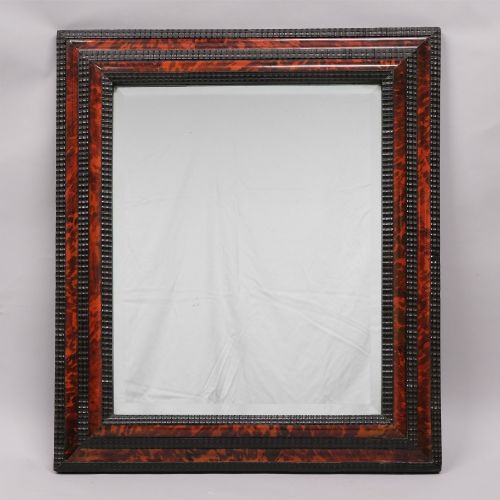
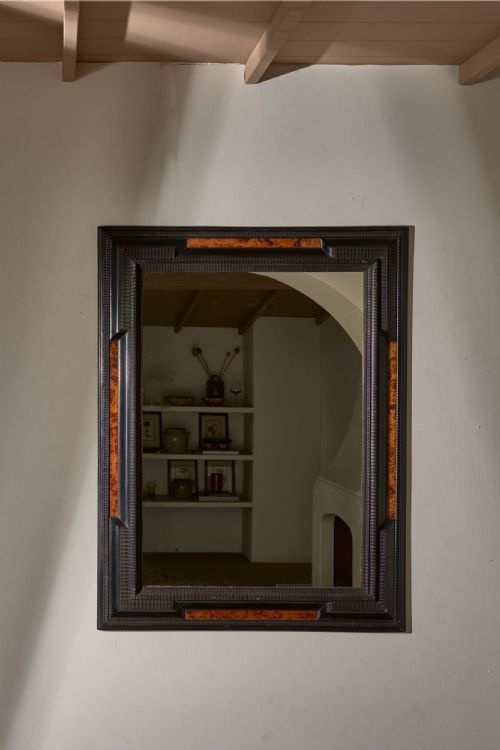
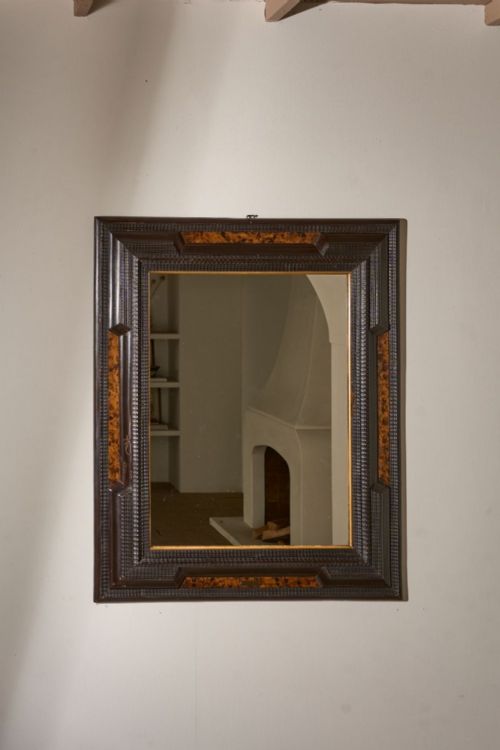
An antique tortoiseshell mirror brings rich warmth and deep amber tones to a room, offering a tactile surface that catches the light beautifully.
Antique Tortoiseshell Mirror
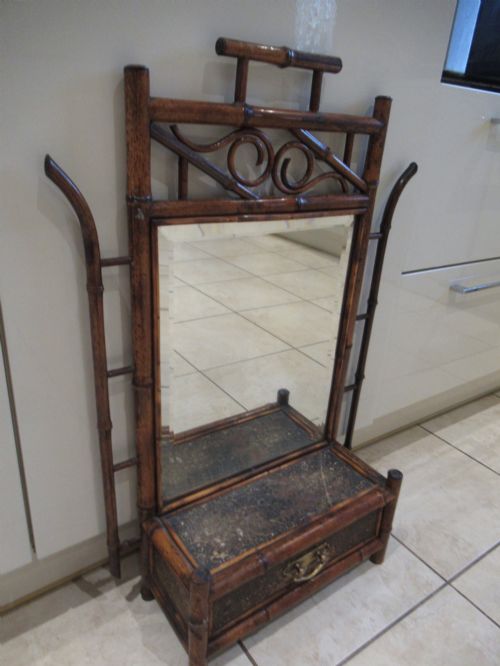
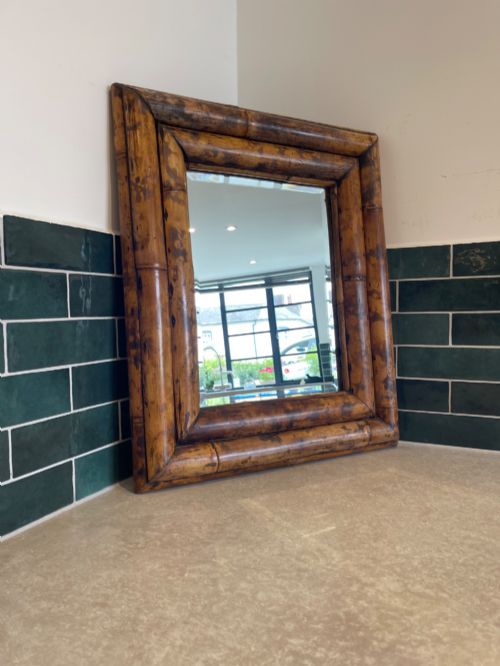
The selection frequently includes Victorian items, seventeenth and eighteenth-century revivals, and pieces incorporating natural shell or simulated surfaces alongside materials like bamboo and ebonised wood.
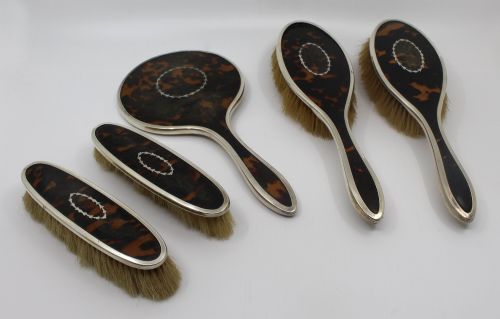
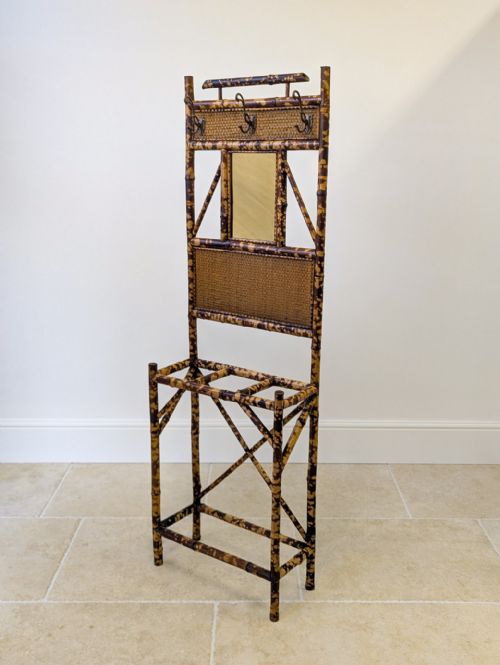
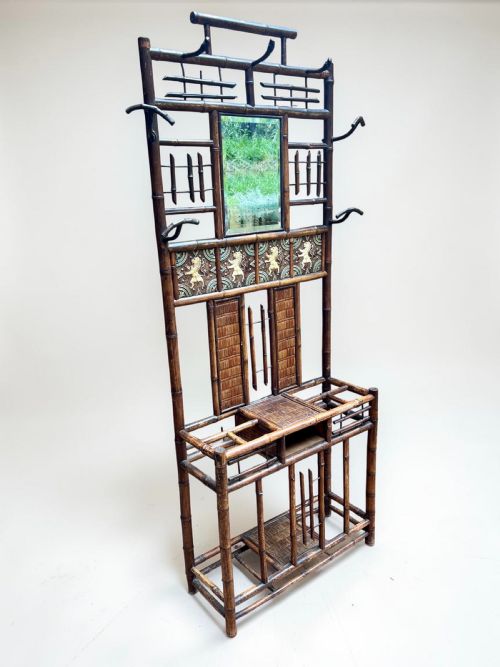
Beyond traditional wall mirrors, the category encompasses vanity items, hall stands, and dressing cases that feature tortoiseshell or faux finishes as a primary decorative element.
Materials and construction
Many frames utilise genuine tortoiseshell applied as thin veneers over a timber core, often secured with delicate pins or adhesives. Artisans also employed simulated or faux tortoiseshell techniques on wood to replicate the rich mottled patterns.
Structural elements frequently pair glass and mirror glass with ebonised wood, bamboo, rattan, and sterling silver. The combination of reflective surfaces with natural organic materials created striking contrasts favoured during the Victorian and Aesthetic periods.
Listings feature periods spanning the eighteenth century through to the nineteen-twenties, incorporating glass, bamboo, ebonised wood, and rattan.
Distinguishing quality
The fineness of an antique tortoiseshell mirror depends upon the depth of the veneer and the skill involved in matching the translucent amber and brown scales. Superior examples display seamless joins and careful preservation of the natural pattern.
Secondary materials dictate overall execution, where heavy silver mounts, finely turned ebonised mouldings, or robust structural bamboo indicate higher grade workshop production rather than simpler commercial manufacture.
The Antique Tortoiseshell Mirror Glossary
- Tortoiseshell
- The mottled brown and amber keratin plate obtained from the shell of certain marine turtles, historically used for veneering small luxury objects. It is prized for its warmth and translucency.
- Faux tortoiseshell
- A painted or treated surface designed to imitate the distinctive mottled appearance of genuine shell. Artisans achieved this effect on wood or other substrates using layered translucent glazes.
- Ripple frame
- A picture or mirror frame featuring undulating, wave-like mouldings carved into the wood. This style gained popularity in seventeenth-century northern Europe and saw later revivals.
- Aesthetic Movement
- A late nineteenth-century cultural and design movement that rejected heavy Victorian moralising in favour of art for art's sake. It often embraced bamboo, exotic motifs, and asymmetrical arrangements.
- Enconchado
- A decorative technique employing mother-of-pearl inlay within painted or tortoiseshell-mounted frames. It is particularly associated with Spanish Colonial art from Peru and Mexico.
Antique Tortoiseshell Mirror: Frequently Asked Questions
How do I clean an antique tortoiseshell mirror?
Gently dust the frame with a dry, soft microfibre cloth to remove surface particles.
Avoid using water, alcohol, or standard household cleaning sprays, as moisture can damage both the historic shell veneer and the underlying timber.
Are these mirrors made of real tortoiseshell?
The pieces span both genuine shell and simulated versions, the latter often created using painted or treated wood.
Craftsmen across the eighteenth and nineteenth centuries utilised both methods depending on the intended cost and function of the object.
Which period are most of these mirrors from?
The majority of pieces date from the nineteenth century, encompassing Victorian productions and Aesthetic Movement designs.
Earlier examples from the eighteenth century appear less frequently and typically feature distinct regional styles or revival characteristics.
Can I hang a tortoiseshell mirror on any wall?
Most wall-hanging examples require secure fixings suited to their weight, particularly those with dense wooden cores or silver mounts.
Checking the existing hanging hardware on the reverse ensures the frame is supported safely before installation.