


Victorian Repousse Mirror
These Victorian repousse mirror examples bring embossed brass and sterling silver work into period interiors with distinct textural depth.
Victorian Repousse Mirror
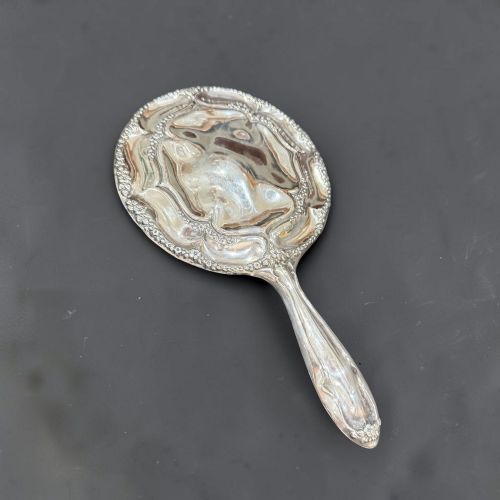
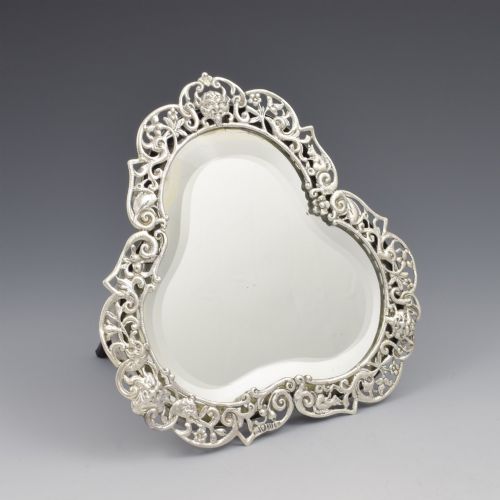
A victorian repousse mirror offers a reflective glass surface framed by metalwork hammered or embossed from the reverse to create raised decorative relief. Buyers seeking a victorian repousse mirror encounter an array of wall mirrors, table mirrors, and dressing table mirrors fashioned in brass, copper, and sterling silver.
The selections span wall sconces and vanity mirrors executed in styles such as Aesthetic Movement, Chinoiserie, Flemish Renaissance Revival, and Dutch Baroque Revival. Pieces date across the nineteenth century into the early twentieth century, utilising ebonised wood, tortoiseshell, and velvet alongside the reflective glass.
Cushion frames feature prominently among the forms, often constructed in brass or copper with bevel edged mirror glass. These items function equally as wall mounted statement pieces or as easel table mirrors designed for dressing tables.
How they were made
Metals including brass, copper, and sterling silver form the primary surfaces, shaped through repoussé technique where craftsmen hammer the design from behind to produce raised relief on the front. This metalwork mounts onto rigid wooden structures, frequently utilising ebonised wood or supporting elements like velvet and tortoiseshell.
Makers set mirror glass, sometimes bevel edged, within these ornamented metal frames. Artisans combined hand embossed brass panels with wooden backing boards and easel stands or hanging loops to create both table and wall hanging formats.
Some brass frames incorporate charmingly fierce animals and birds peering out from the repousse foliage.
What varies in quality
Depth and crispness of the hand embossed metalwork distinguish superior examples, where intricate motifs retain sharp definition rather than flattened surfaces. The weight of the brass or sterling silver frame and the integrity of the underlying wooden structure dictate the overall solidity of the piece.
Reflective quality depends upon the preservation of the mirror glass and the faithful execution of historical revivals, whether Flemish, Dutch, or Aesthetic Movement. Superior domestic pieces display clear hallmarks on sterling silver elements and cohesive pairing in twin sconces or girandoles.
William Comyns·Henry Matthews
The Victorian Repousse Mirror Glossary
- Repoussé
- A metalworking technique where the artisan hammers or presses designs from the reverse side to form raised relief on the front. This method gives these mirror frames their characteristic tactile ornamentation.
- Cushion mirror
- A mirror featuring a convex, padded looking frame profile, often wrapped in embossed brass or velvet. The shape projects forward from the wall.
- Girandole
- A branched wall sconce or candle holder incorporating a mirror to reflect and amplify the candlelight. These pieces combine illumination with reflective glass.
- Easel mirror
- A freestanding table mirror supported by a hinged rear leg. It allows adjustment of the viewing angle on a dressing table or vanity.
- Bevel edge
- An angled, polished border cut around the perimeter of the mirror glass. This treatment catches the light and adds depth to the reflection.
Victorian Repousse Mirror: Frequently Asked Questions
How do I clean a brass repousse mirror frame?
Dust the raised relief gently with a soft brush to prevent dirt buildup in the hammered recesses. Avoid abrasive polishes that might wear away the historic surface texture.
Test any cleaning solution on a small hidden area first. Preserve the patinated brass finish rather than striving for a bright modern shine.
Are these mirrors suitable for bathroom walls?
Historic brass, silver, and wooden frames react poorly to excessive moisture and humidity. Damp conditions can damage the wood backing and degrade the mirror silvering.
Display these pieces in dry reception rooms or bedrooms instead. Use them as dressing table mirrors or secure wall hangings away from direct water sources.
What is the difference between a wall and table mirror?
Table mirrors include easel stands or weighted bases designed for placement on dressing tables and surfaces. Wall mirrors feature integrated hanging loops or brackets for secure vertical mounting.
Both types utilise similar repoussé metalwork techniques. The choice depends entirely on your interior layout and intended placement.
How do I identify a Victorian period mirror?
Examine the construction methods, materials, and stylistic cues such as Aesthetic Movement or Dutch revival motifs. Sterling silver examples often bear clear hallmarks indicating the assay office and date.
Inspect the mirror glass for signs of age, such as slight oxidation or bevelled edges. Associated materials like ebonised wood and tortoiseshell help confirm the nineteenth century origin.