

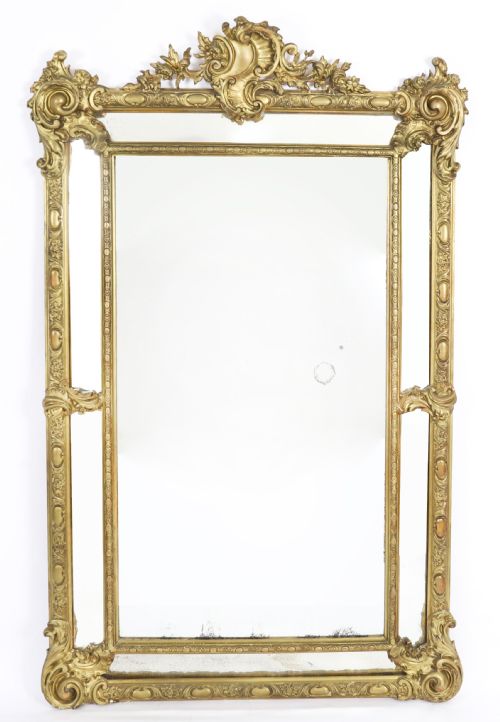


Antique Marginal Wall Mirror
These antique marginal wall mirror pieces bring a distinct architectural depth to a room through their segmented plates and gilded frames.
Antique Marginal Wall Mirror
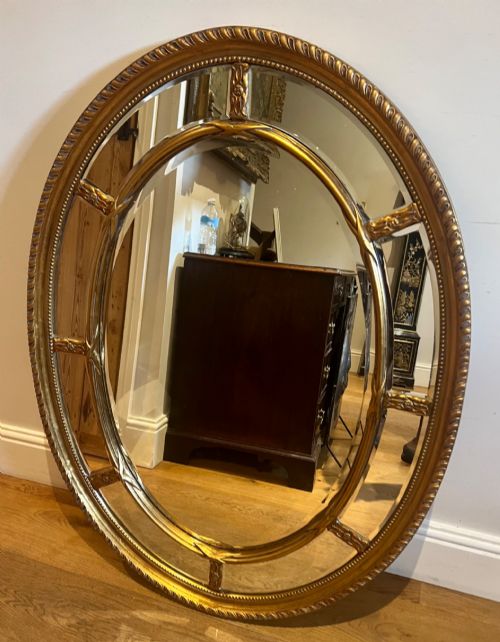
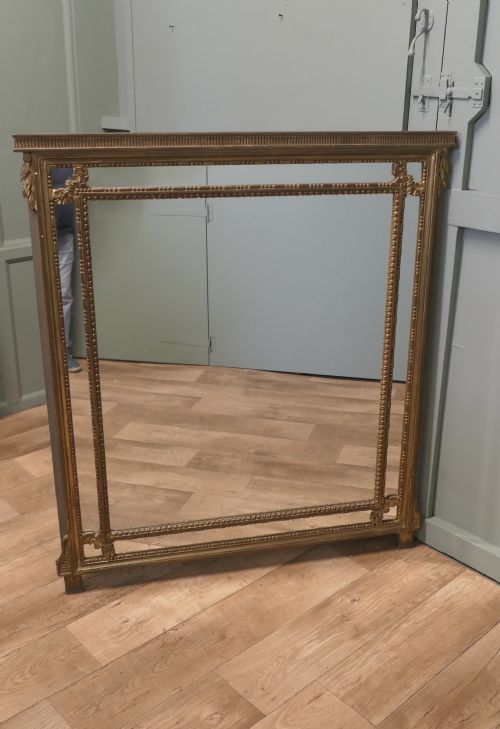
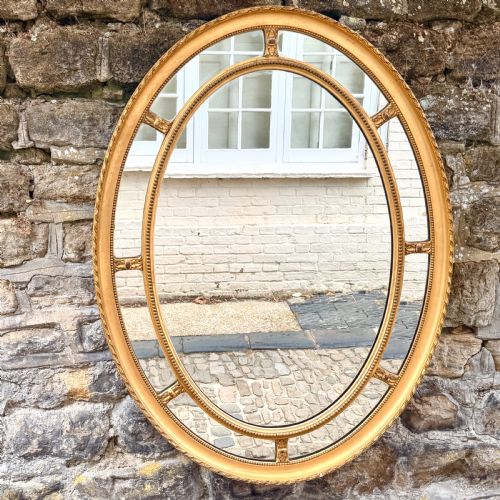
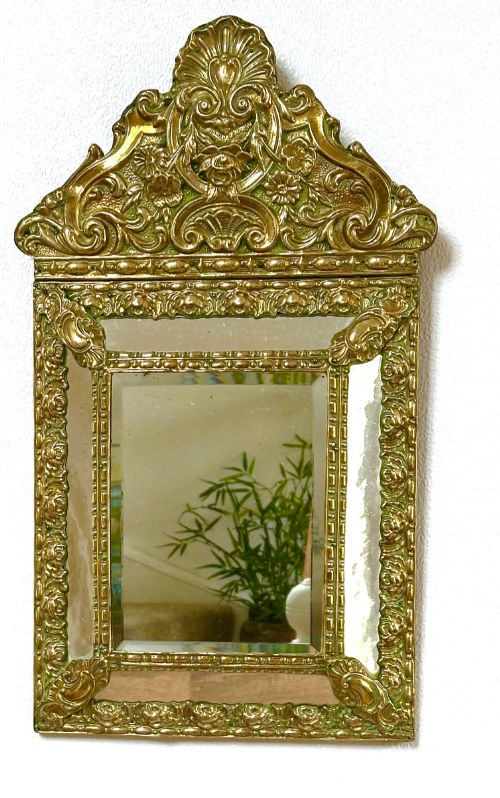
An antique marginal wall mirror centres on a main reflective plate enclosed by smaller outer border panels, creating a layered visual depth. Buyers encounter forms ranging from large French overmantels to oval cushion mirrors originating across the nineteenth century.
The selection includes pieces spanning the Victorian and Edwardian eras alongside Regency and Neoclassical revivals. Makers of the period drew upon French Chateau, Louis Revival, and Italian design vocabularies to shape these grand wall hangings.
Objects on this page take the form of substantial wall mirrors designed to command a room. They appear in horizontal overmantel formats as well as tall vertical orientations framed in giltwood or painted wood.
How they were made
Craftsmen built the core structure from wood before applying layers of gesso to receive intricate surface carving. This prepared base allowed artisans to create deep relief ornamentation including urns, swags, and classical motifs.
Gilding was applied to the prepared gesso surfaces using gold leaf to achieve a brilliant reflective finish. Mirrored glass panels were then fitted into the rebate, with marginal border pieces held securely by individual strips and mouldings.
Antique Marginal Wall Mirror Retail Price Guide 2026
Typical asking prices for marginal wall mirror among the pieces listed under this phrase on Sellingantiques today, from the lower quarter to the upper quarter. They describe what is for sale here now, not the wider market.
Many of these grand frames spent centuries reflecting flickering candlelight before ever seeing an electric bulb.
What varies in quality
The sophistication of the carved wooden and gesso ornament dictates the distinction between standard and superior examples. Finer pieces display crisp, deeply undercut details on motifs like swags and urns rather than soft, mass-produced moulding.
The preservation of the original gilt surface and the character of the marginal glass plates determine the overall standing of the piece. Authentic nineteenth-century silvering shows subtle foxing and age that machine-made replacements lack.
The Antique Marginal Wall Mirror Glossary
- Marginal mirror
- A looking glass featuring a central plate surrounded by smaller border sections or marginal plates. These sections are typically bevelled or edged with slender fillets.
- Giltwood
- Timber that has been coated with fine gold leaf over a prepared gesso ground. This material provides the bright metallic finish seen on classical frames.
- Gesso
- A mixture of plaster of Paris or chalk with glue, used to coat wood frames. It provides a smooth surface for carving and gilding.
- Overmantel mirror
- A large horizontal looking glass designed specifically to hang above a fireplace mantel. These pieces often dominate the architectural scale of a room.
- Cushion mirror
- A frame style with a convex or outwardly curved profile resembling a cushion. This profile adds substantial depth and catches light from multiple angles.
Antique Marginal Wall Mirror: Frequently Asked Questions
What is a marginal plate mirror?
A marginal plate mirror consists of a large central glass pane surrounded by smaller, distinct border mirrors held within the same frame. This division creates a multifaceted reflection and an intricate geometric boundary.
Craftsmen utilised this technique in the nineteenth century to add grandeur and visual complexity to interior wall spaces.
How do I clean antique mirrored glass?
Dust the surface gently with a soft, dry microfibre cloth to remove loose particles without scratching the old glass or the surrounding gilt surface. Avoid harsh chemical cleaners or ammonia-based sprays that can seep behind the bevels and damage the original silvering.
Apply a mild, pH-neutral solution sparingly to the cloth rather than directly to the glass if deeper cleaning is necessary.
How do I date an antique giltwood mirror?
Examine the construction methods visible on the reverse of the frame, including timber types, fixings, and the composition of the gesso ground. Hand-carved elements, early screw types, and period labels often provide clear indicators of Victorian, Regency, or Edwardian origin.
The style of the gilding and the manufacturing traits of the mirrored glass plates further help narrow down the production decade.