

Gilt Glass Wall Mirror
A gilt glass wall mirror brings light and reflective depth to a room, drawing on centuries of European and English craftsmanship.
Gilt Glass Wall Mirror
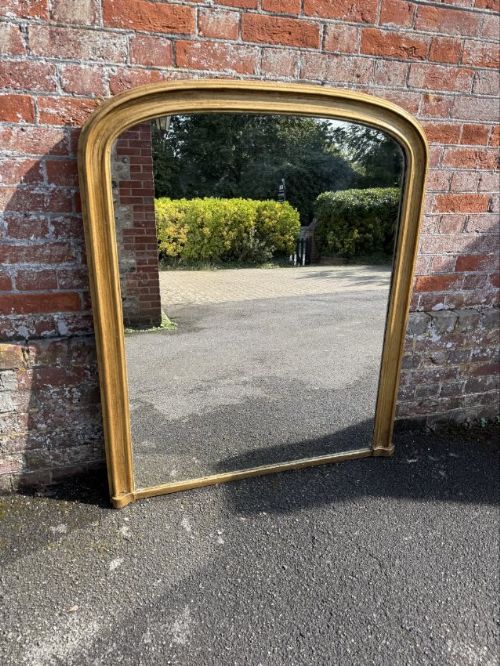
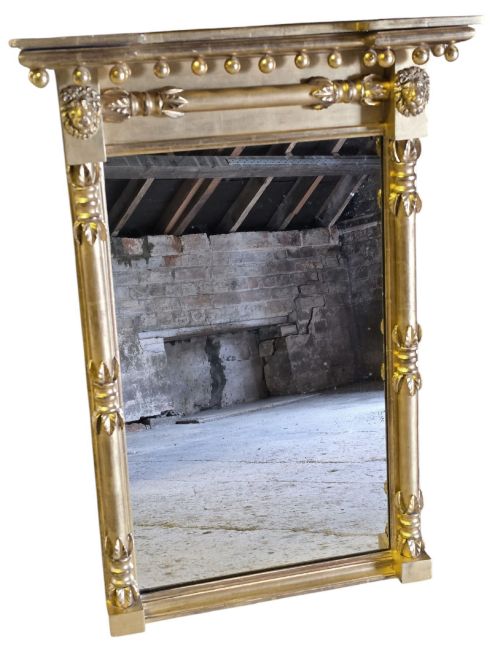
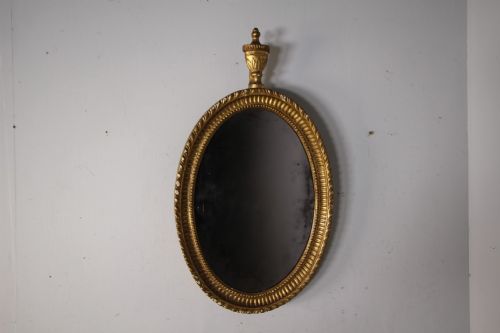
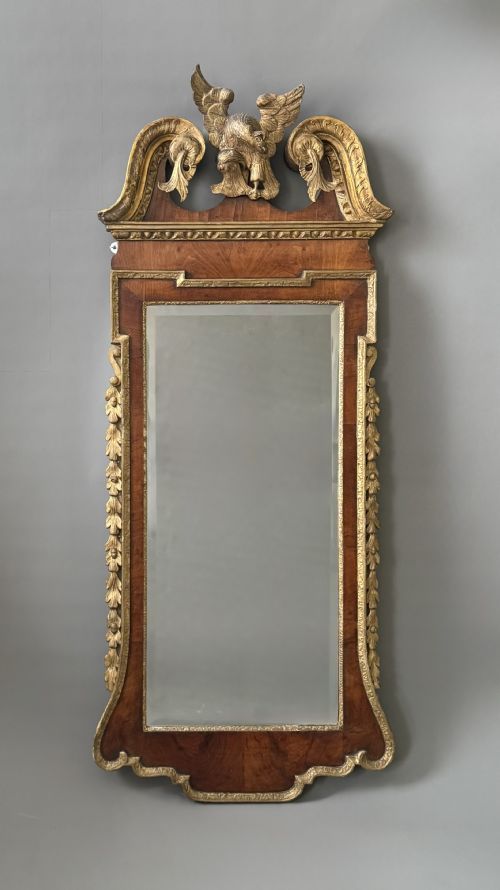
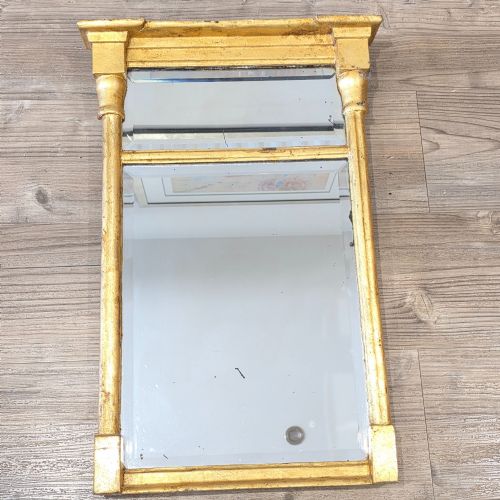
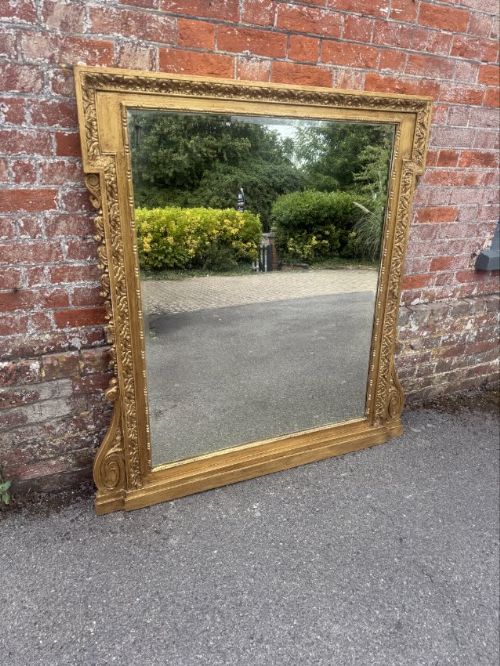
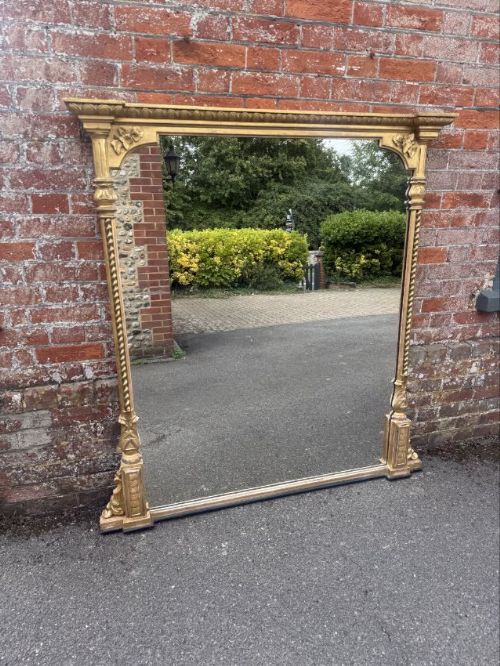
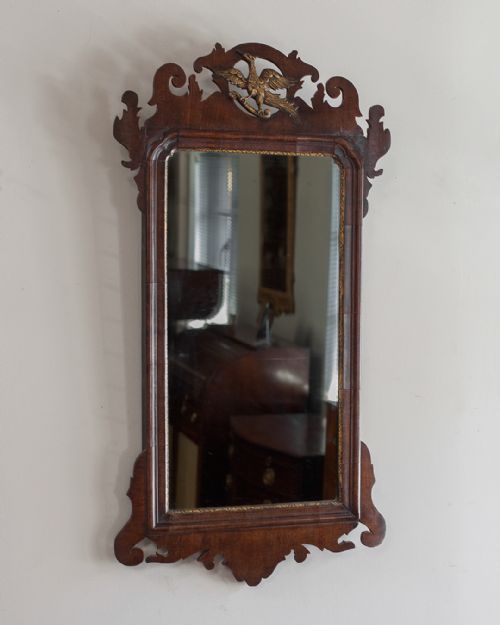
A gilt glass wall mirror encompasses a wide variety of hanging reflective surfaces, from grand nineteenth-century overmantels to smaller Georgian fretwork designs.
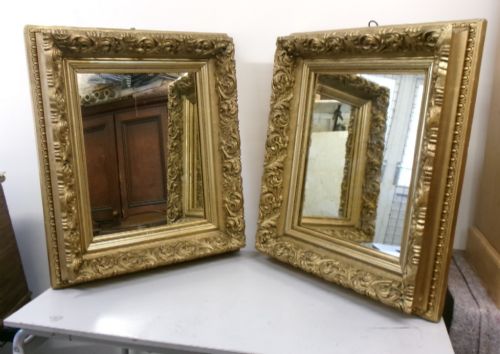
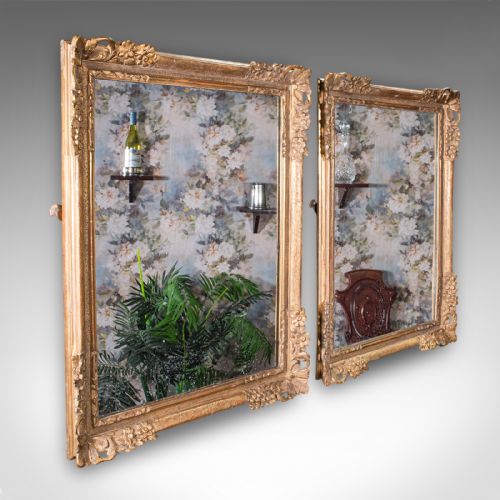
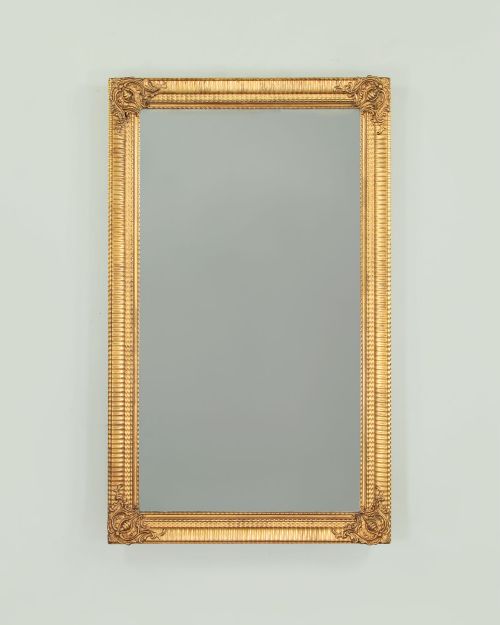
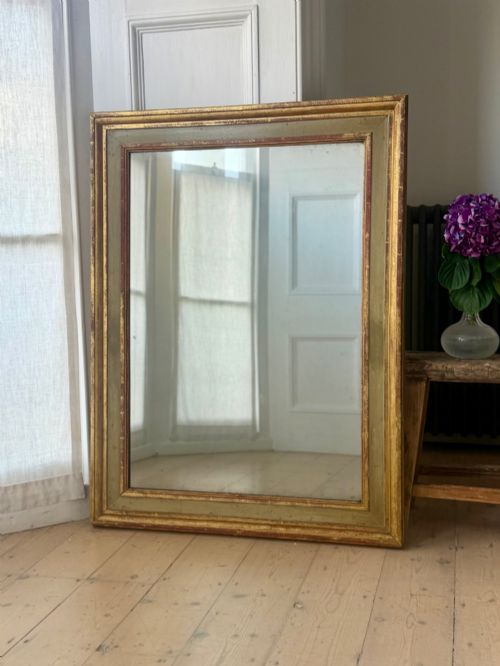
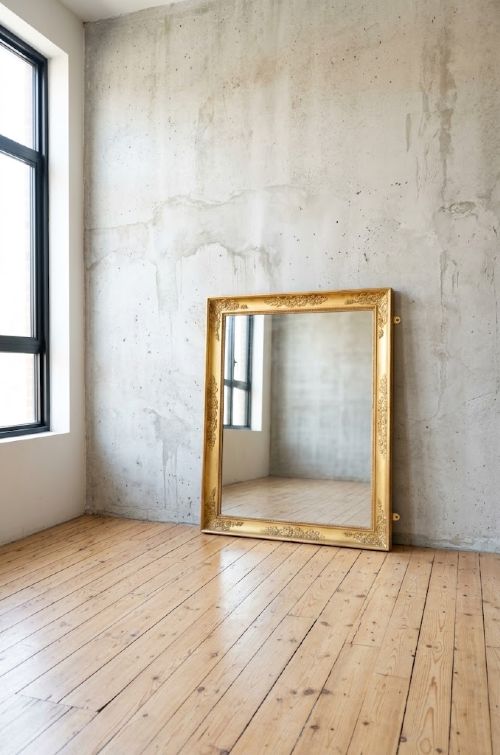
Buyers searching for a gilt glass wall mirror will frequently encounter nineteenth-century English and French examples featuring carved wood, gesso, and gilded finishes.
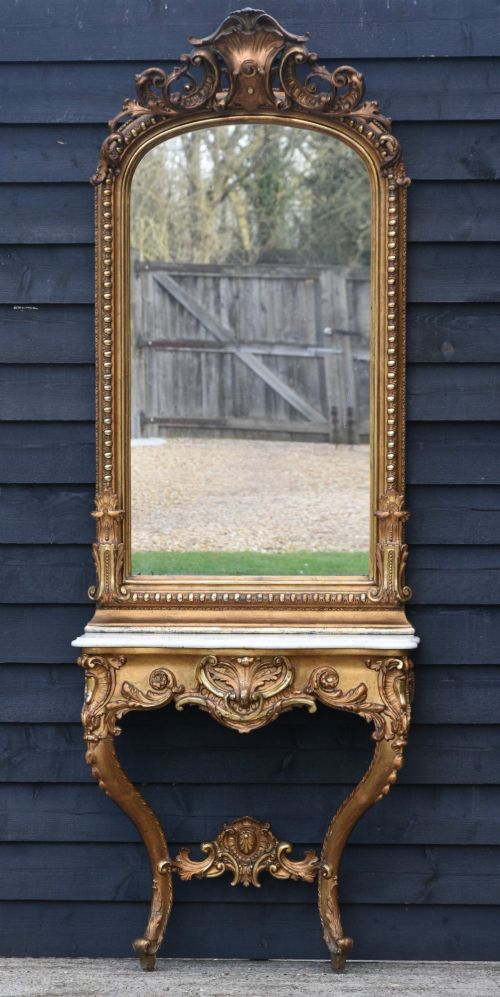
The selections span distinct historical periods including the Regency era, the Victorian epoch, and the eighteenth century, incorporating wall mirrors, pier glasses, and console combinations.
How They Were Made
Craftsmen shaped frames from timber such as mahogany, walnut, or carved wood, applying layers of gesso to build up intricate relief ornaments before gilding.
Surfaces received applications of gold leaf or composition, while specialised mirrors utilised mercury glass plates or early bevelled glass techniques.
Freemasonic symbols and pastoral oil paintings occasionally hide within the wooden frames, offering unexpected glimpses into past lives.
What Varies in Quality
The refinement of the hand-carved gesso details and the depth of the gilding set superior frames apart from simpler moulded compositions.
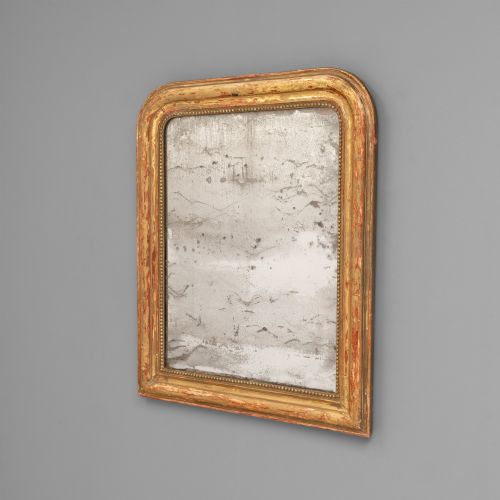
Original mirror plates showing natural foxing and authentic mercury backing command greater appreciation than later replacements.
The Gilt Glass Wall Mirror Glossary
- Gesso
- A plaster-based mixture applied to wooden frames as a smooth base for subsequent gilding. This material allows artisans to carve intricate decorative motifs.
- Giltwood
- Timber that has been coated with gold leaf or metallic powder. It provides a luminous finish characteristic of period frames.
- Overmantle mirror
- A large horizontal looking glass designed specifically to hang above a fireplace mantel. These pieces frequently anchor the decor of a formal reception room.
- Pier glass
- A tall mirror intended to be hung on the narrow section of wall between two windows. They often coordinate with matching console tables.
- Mercury glass
- An early type of mirror plate created by pouring a mercury and tin amalgam behind glass. It produces a characteristic mottled reflection known as foxing.
Gilt Glass Wall Mirror: Frequently Asked Questions
How do I hang a heavy overmantle mirror safely?
Large overmantle mirrors require secure anchoring into wall studs using heavy-duty brackets suited to the weight of the timber and gesso frame.
Consulting a professional installer ensures the wall structure bears the load safely without damaging the plaster.
What is foxing on antique mirror glass?
Foxing refers to the small dark spots and mottled patches that develop within the reflective backing over decades of exposure to air and moisture.
Many collectors value this natural ageing process as proof of genuine eighteenth or nineteenth-century origin.
How should I clean a gilded wood frame?
Dust the carved details gently with a soft, dry brush to prevent accumulation without disturbing fragile gold leaf or composition.
Avoid liquid cleaners entirely, as moisture penetrates aged gesso and causes the historic finish to flake.
Are eighteenth-century mirrors different from Victorian ones?
Eighteenth-century examples often feature walnut fretwork or restrained carved gesso, reflecting Georgian and Chippendale design sensibilities.
Victorian pieces lean toward heavier proportions, ornate rococo revival flourishes, and expansive glass plates.