
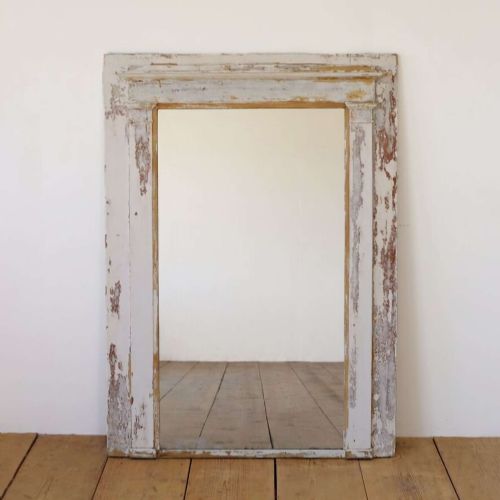


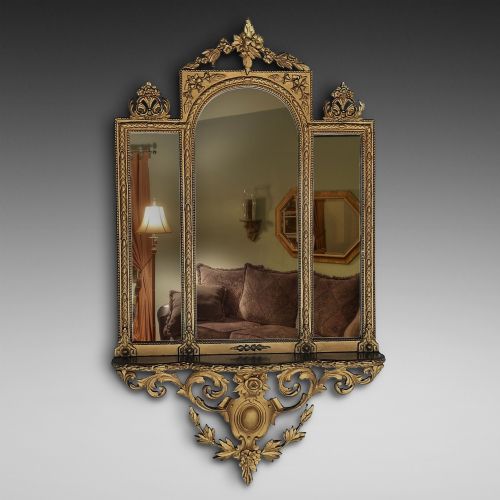
19th Century Hanging Mirror
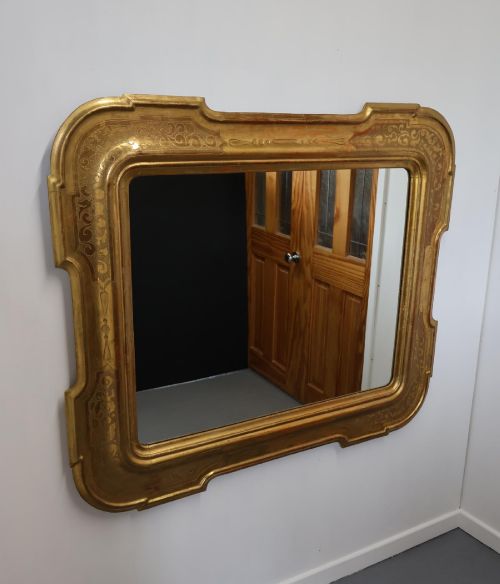
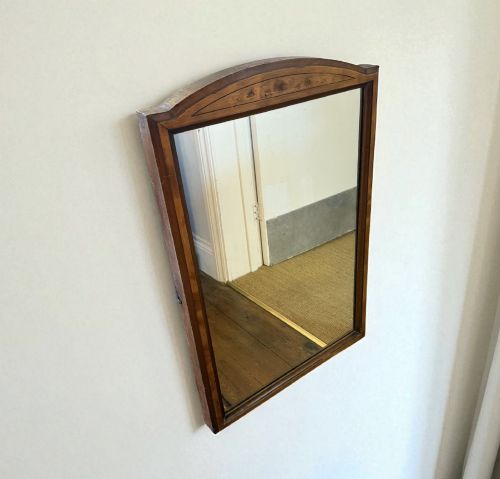
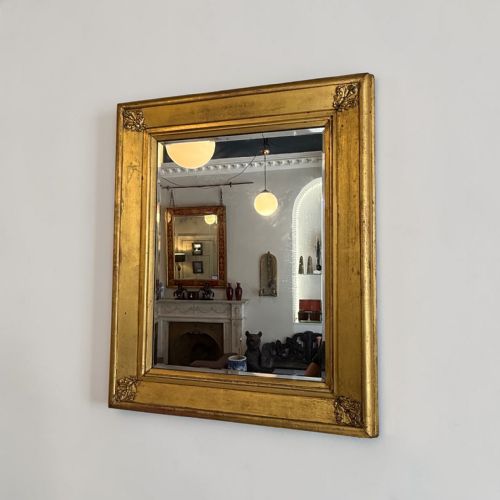
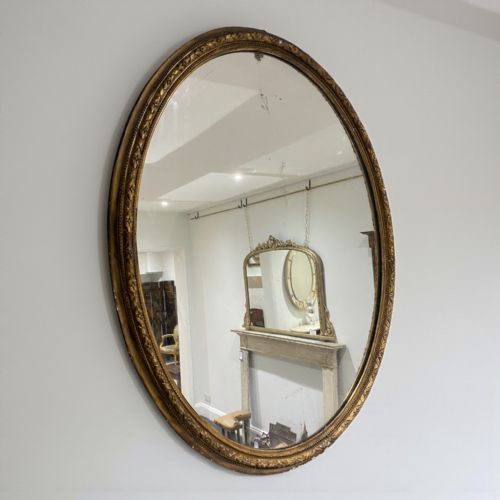
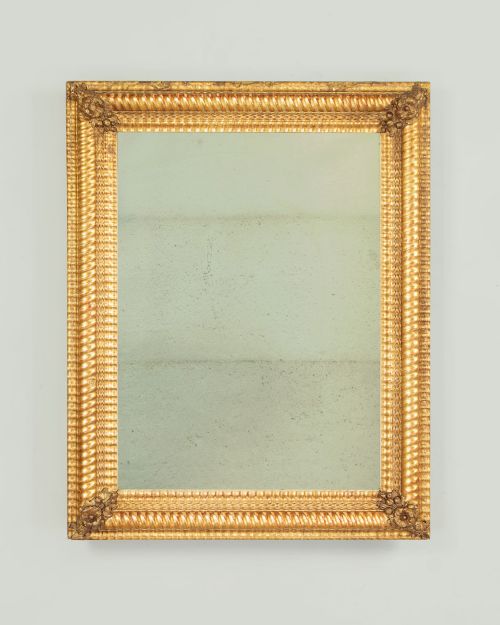
When you handle a 19th century hanging mirror, you notice the weight of the giltwood and the depth of the bevelled glass.
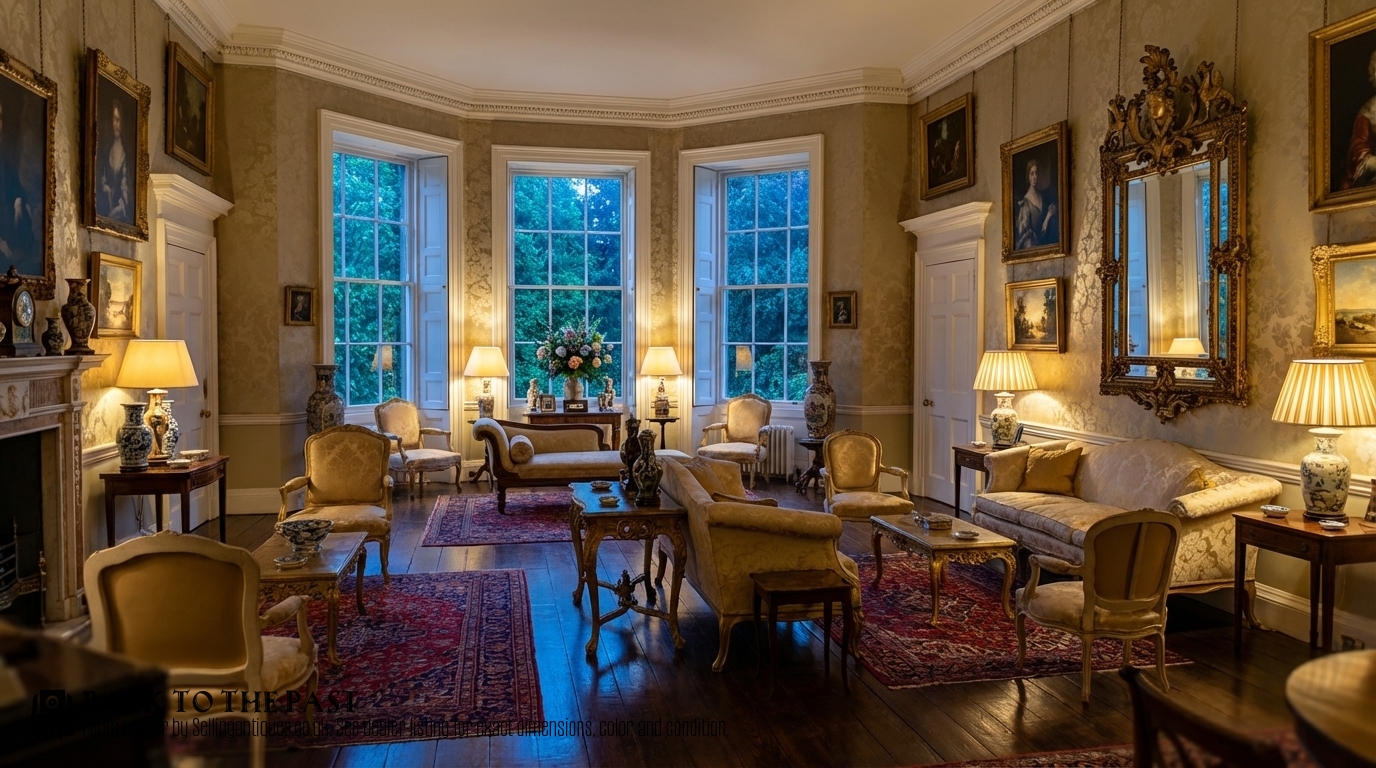
19th Century Hanging Mirror
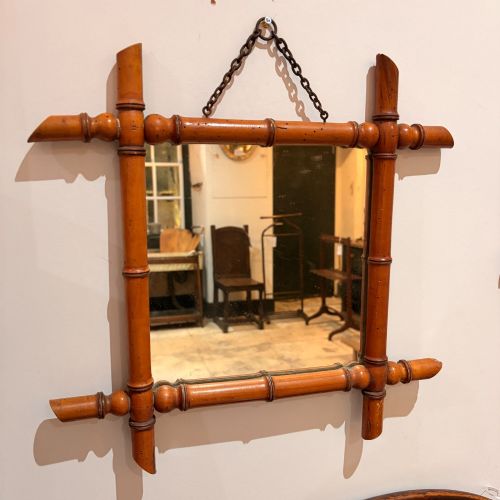
A 19th century hanging mirror serves both practical utility and decorative presence in a room, capturing light and reflecting interior spaces. The selection spans straightforward domestic timber frames to ornate gilt wall mirrors designed for formal reception rooms.
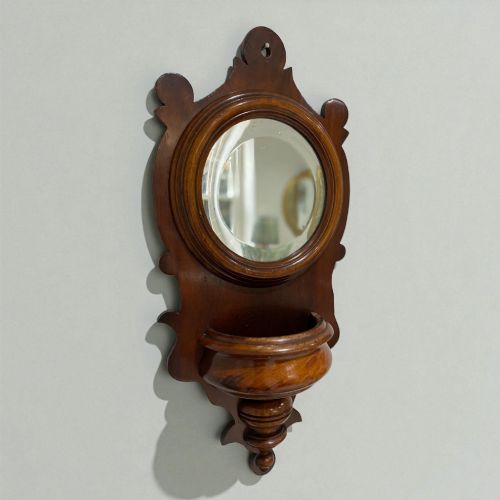
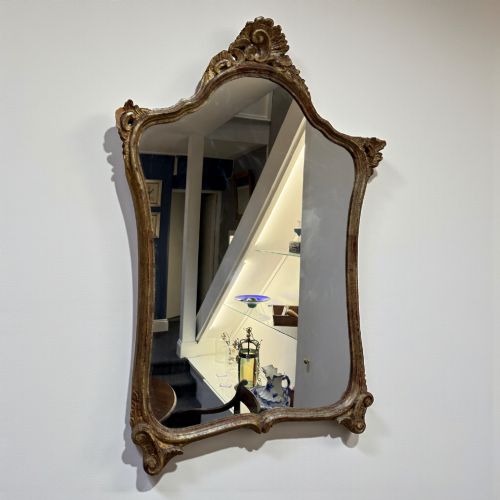
You will encounter pieces from various decades of the 19th century, including Regency, Victorian, and later revival styles such as Rococo and Neoclassical. Formats range from large rectangular overmantle mirrors to smaller oval hallway looking glasses.
Continental examples, particularly French chateau pieces and Italian limewood carvings, sit alongside English oak, mahogany, and walnut frames. Wall mirrors dominate the selection, though dressing mirrors and specialised hall mirrors also appear.
How they were made
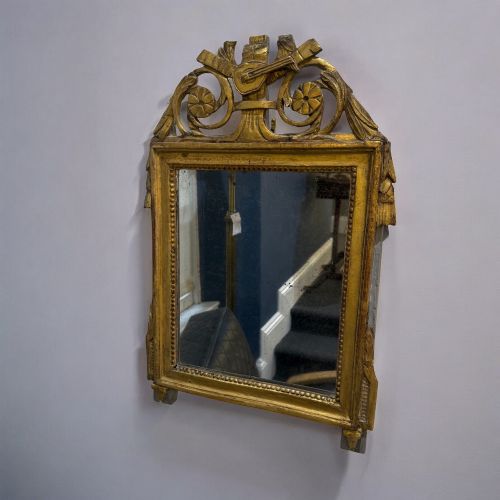
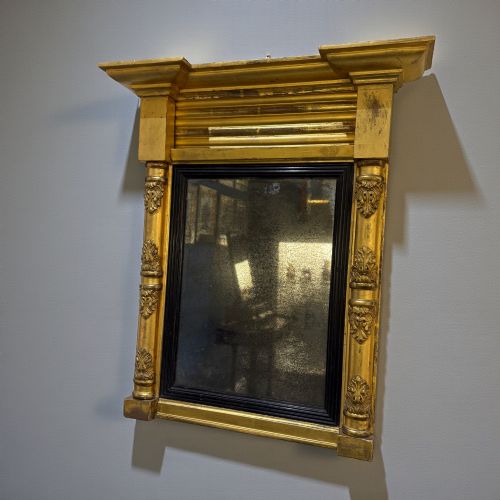
Frames rely on timber foundations like oak, walnut, mahogany, and limewood, often built with pegged joinery or fretwork construction. Many surfaces receive a preparation of gesso before being gilded with gold leaf or painted in finishes such as red lacquer or black and gold.
Ornamentation involves hand-carved wood or moulded composition applied to the timber frame to create intricate motifs, classical details, and scrollwork. Pressed brass and cast brass elements also form the primary structure or decorative mounts on specific continental examples.
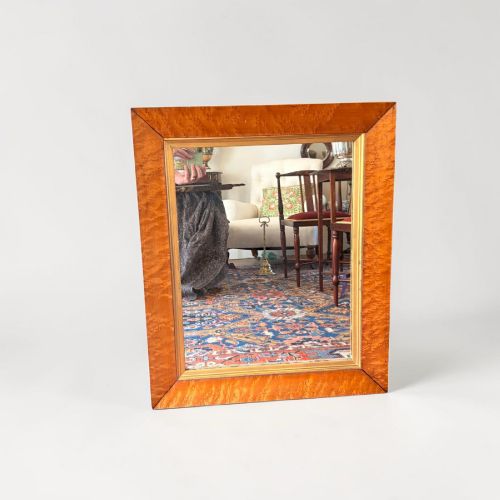
Listings feature timber frames in oak, walnut, mahogany, and maple alongside gilded gesso wall mirrors spanning the entirety of the 19th century.
What varies in quality
The crispness of the carving separates standard production from exceptional craftsmanship, particularly where hand-carved limewood or detailed gesso ornamentation defines the frame. Crisp undercut foliage and sharply defined classical motifs indicate superior workshop output.
The integrity of the original gilding and the clarity of the mirror glass heavily influence the overall character. Surviving gold leaf with natural ageing outlasts inferior secondary treatments, while heavy foxing on mirror glass reflects deep age.
The 19th Century Hanging Mirror Glossary
- Giltwood
- Wood that has been coated with a thin layer of gold leaf. It is a defining finish for many formal wall mirrors of the period.
- Gesso
- A plaster-like mixture applied to wooden frames as a base for gilding or painting. It accepts deep relief moulding and carving work.
- Overmantle mirror
- A wide mirror designed to hang specifically above a fireplace mantelpiece. These pieces often anchor the decorative scheme of a Victorian reception room.
- Pier mirror
- A tall mirror designed to hang on the wall space between windows. They make efficient use of natural light in 19th century interiors.
19th Century Hanging Mirror: Frequently Asked Questions
How do I hang a heavy giltwood mirror?
Heavy giltwood mirrors require secure fixings into structural wall studs or masonry using appropriate weight-rated brackets. Distributing the load evenly prevents stress on the antique wooden frame and original joints.
Professional mirror hangers often utilise a French cleat system to ensure the piece sits flush and stable against the wall surface without tilting.
Are the mirror plates original?
Many 19th century mirrors retain their original glass, which often displays characteristic imperfections, light oxidation, and subtle distortion known as foxing. These natural signs of age confirm the authenticity of the looking glass.
Replacement glass does appear in pieces that underwent restoration during their working life, which can be identified by a lack of historical ageing marks.
How do I clean an antique frame?
Dust giltwood and gesso frames gently with a very soft dry brush or ostrich feather duster. Moisture and modern chemical cleaners can dissolve delicate water gilding and historic gesso.
For stubborn dust trapped within carved crevices, use a dry artist's brush with light strokes to avoid disturbing the surface finish.
What is the difference between Regency and Victorian mirrors?
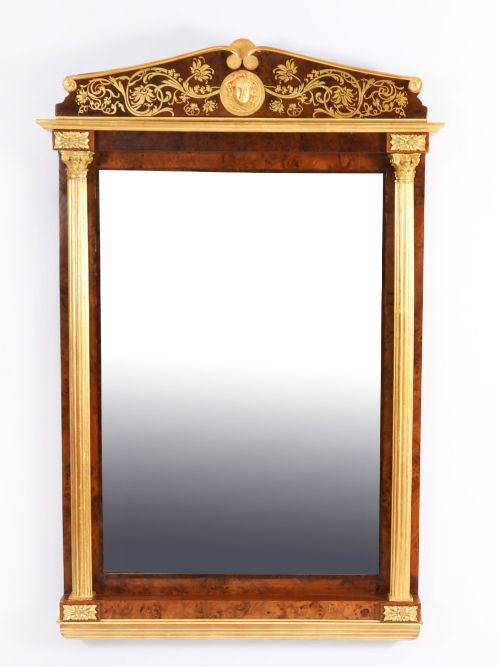
Regency mirrors lean towards Neoclassical restraint, featuring reeded columns, ball-stud frames, and classical motifs from the early part of the century. They often present a lighter, more architectural proportion.
Victorian pieces embrace heavier revival styles, including Rococo curves, ornate pressed composition ornaments, and darker walnut or mahogany timbers suited to mid-century interiors.