
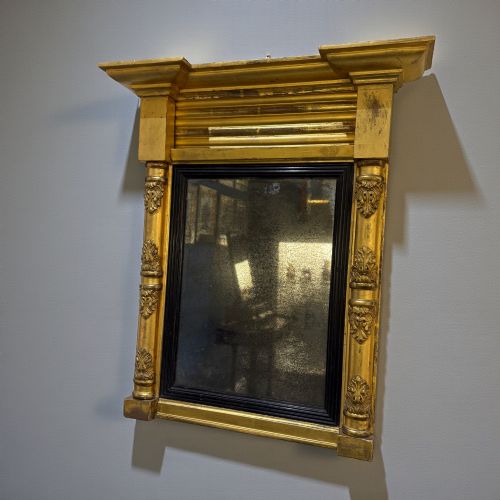
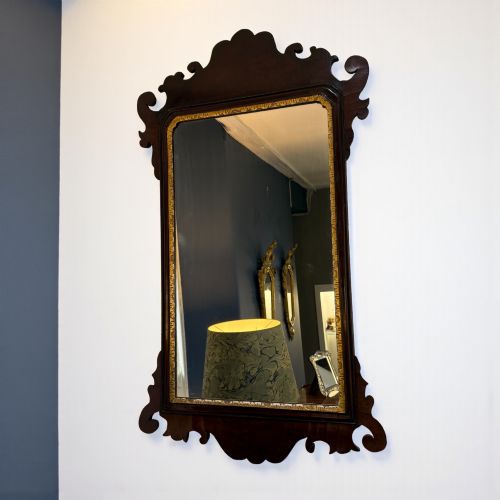
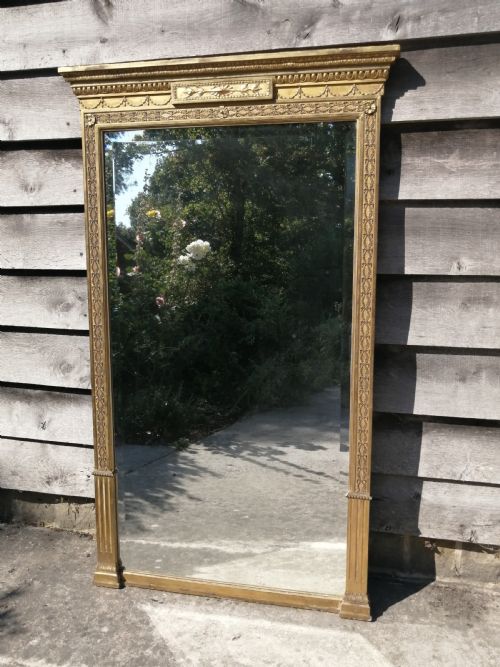
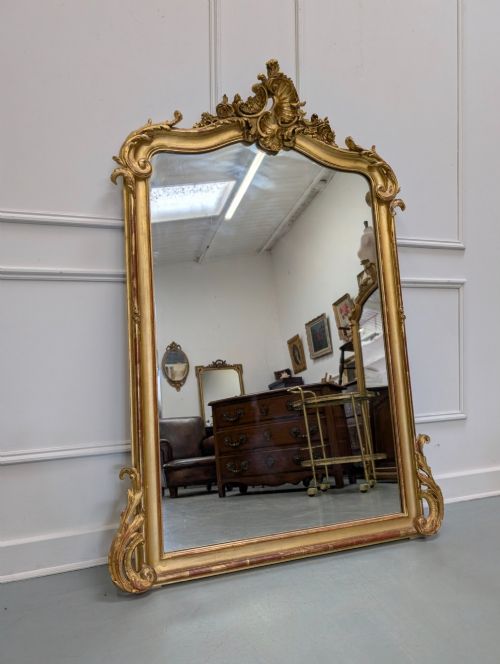
Carved Gilt Mirror Glass
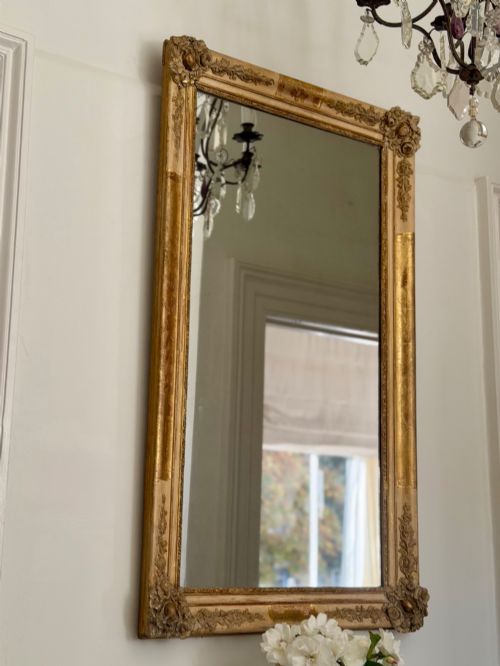
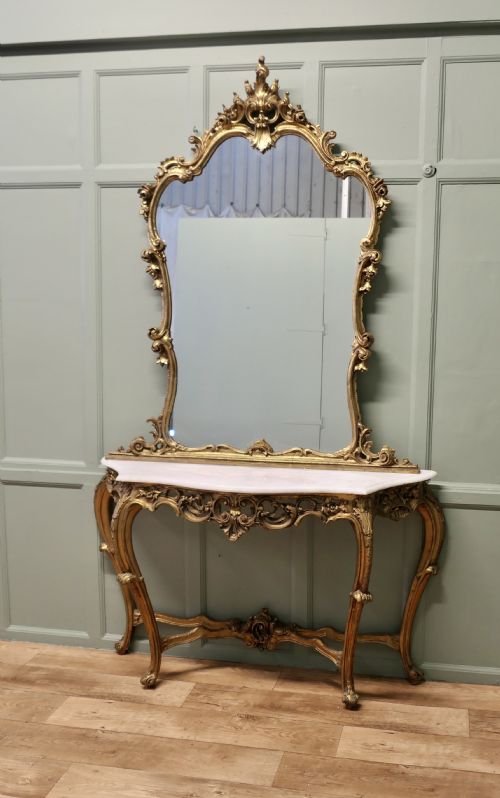
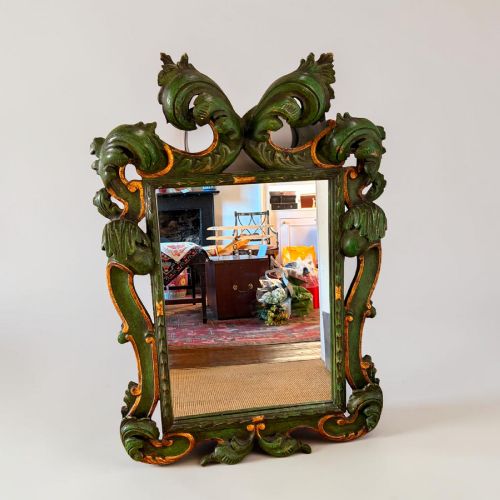
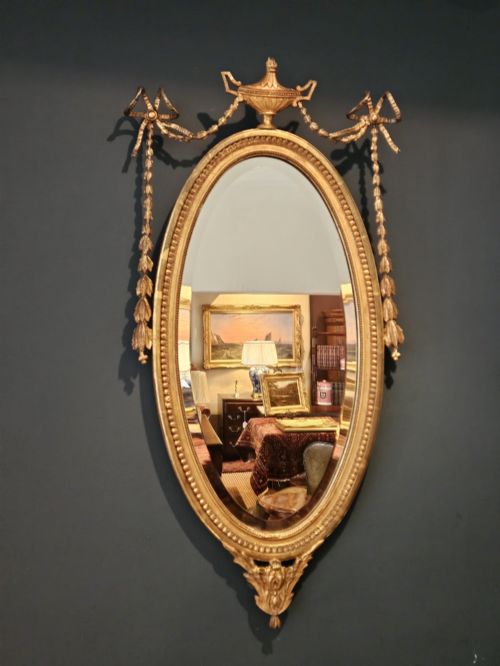
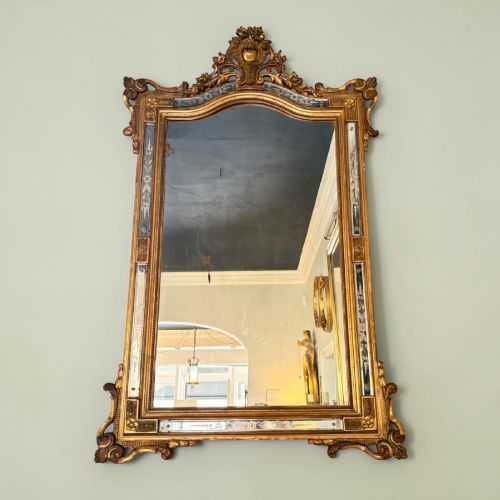
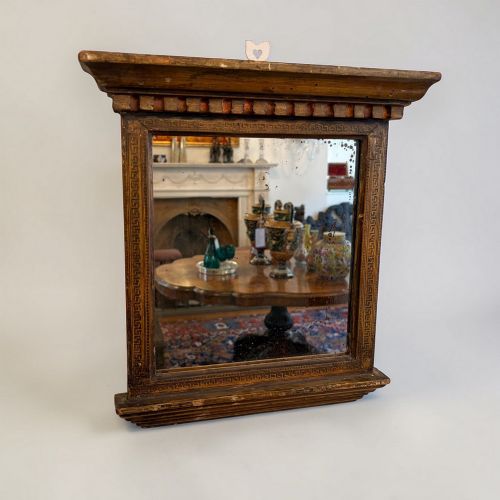
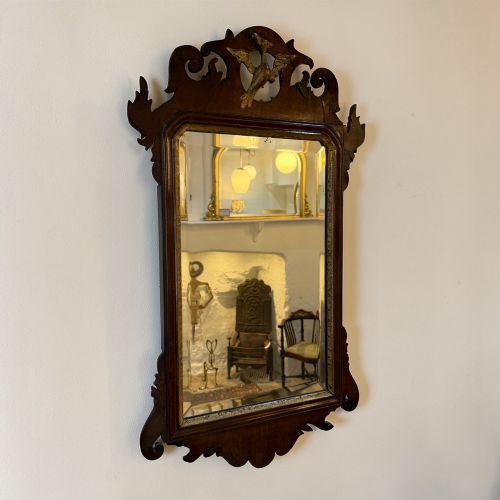
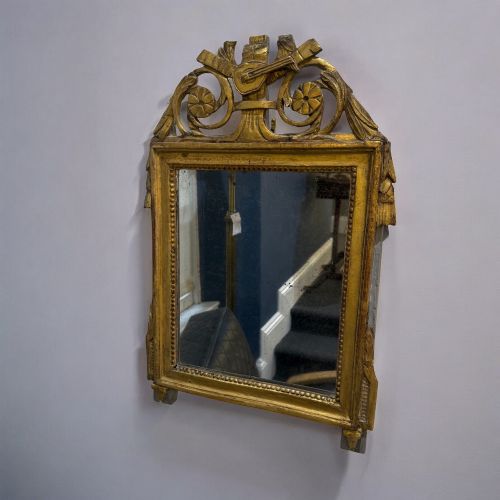
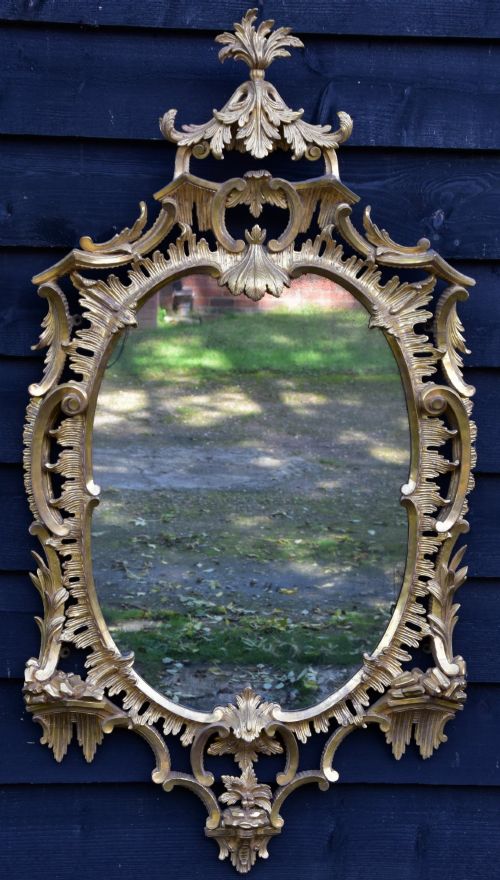
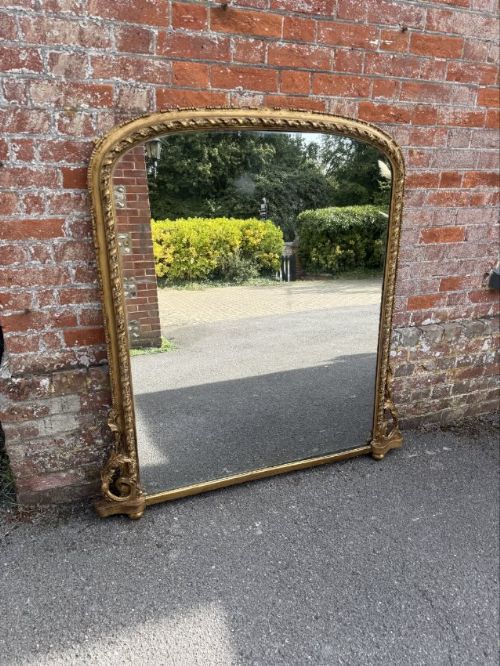
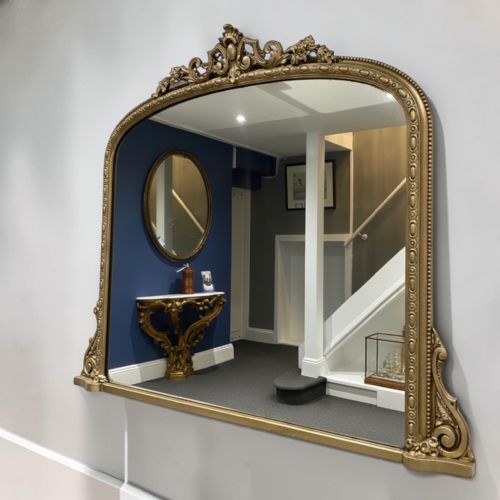
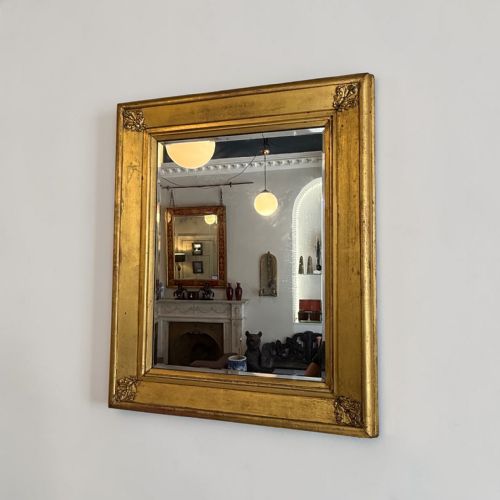
Carved gilt mirror glass pieces combine reflective plates with ornate wooden frames, bringing light and historical craftsmanship into a room.
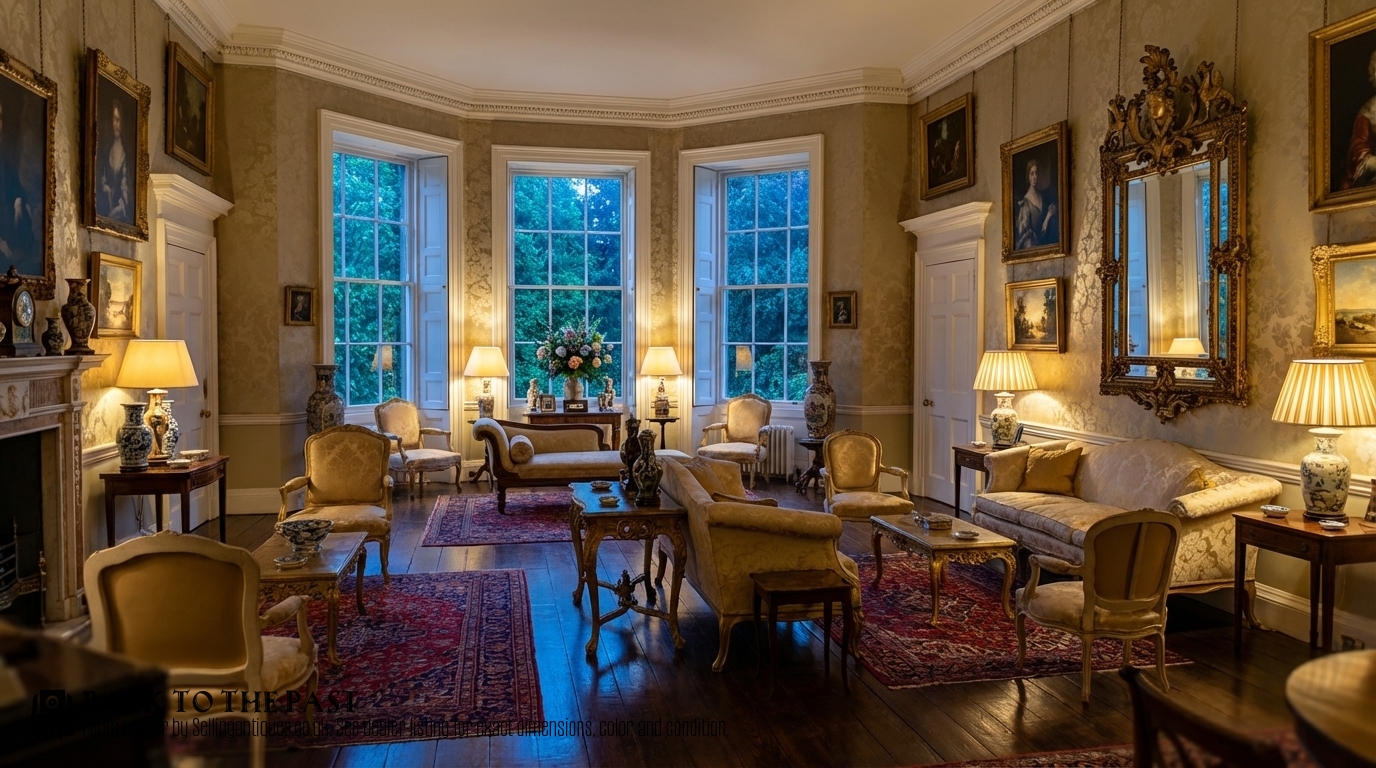
Carved Gilt Mirror Glass
When you search for carved gilt mirror glass, you are looking at items designed to reflect light and ornament a wall or mantelpiece. The forms you will most frequently meet on this page include large overmantel mirrors, tall pier mirrors, and wall-hanging mirrors dating from the eighteenth and nineteenth centuries.
Originating predominantly from English and French workshops, these items span periods such as the Georgian, Regency, and Victorian eras, alongside Revival styles like Rococo. They serve both a practical domestic purpose and a decorative function within historic interiors.
The objects combine carved wooden or gesso substrates with gold leaf, composition, or painted finishes, often retaining their original mirror plates. Surviving examples range from simple mahogany fret frames to monumental giltwood arched creations.
How they were made
Cabinet makers and gilders built the foundations of these frames using timbers such as mahogany, walnut, or softwood, shaped through carving and joinery. Artisans then applied layers of gesso to smooth the surface before intricate decorative details were carved directly or moulded from composition material.
The finishing process involved applying gold leaf or liquid gilding over the gesso ground, sometimes leaving portions of the underlying wood exposed in parcel gilt variants. Mirror glass plates, including early mercury variants, were silvered and fitted into the rebates of the completed frames.
Listings span the eighteenth and nineteenth centuries, featuring materials such as giltwood, gesso, mahogany, and original mercury mirror glass.
What varies in quality
The depth and crispness of the hand-carved ornamentation separate the finer examples from simpler production pieces, particularly where gesso enrichment is applied over wood. The presence of original mirror plates and authentic gold leaf rather than modern replacement materials also distinguishes higher grades.
Proportion and architectural harmony dictate the standing of a mirror within its period, as superior items display balanced framing and refined moulding profiles such as rope twists or ribbed borders.
The Carved Gilt Mirror Glass Glossary
- Gesso
- A plaster-like mixture applied to wooden frames as a smooth base for gilding or painting. It allows intricate relief details to be moulded or carved before the application of gold leaf.
- Parcel Gilt
- A decorating technique where only specific portions of a wooden object are gilded, leaving areas of natural wood like mahogany or walnut visible. This method highlights particular carved motifs against a contrasting timber background.
- Pier Mirror
- A tall mirror specifically designed to hang on the narrow section of wall between two windows, often placed above a console table. They frequently date from the Regency and Victorian periods.
- Overmantel Mirror
- A wide mirror intended to be positioned directly above a fireplace mantelpiece. These pieces often feature arched tops and substantial frames tailored to the proportions of a chimney breast.
- Mercury Glass
- An older type of mirror glass produced by applying a tin and mercury amalgam to the back of the glass plate. It typically exhibits characteristic spotting or foxing over time.
Carved Gilt Mirror Glass: Frequently Asked Questions
What is foxed mirror glass?
Foxed mirror glass refers to the age-related spotting, darkening, and degradation that occurs behind the reflective surface of older mirrors. This oxidation process happens naturally over many decades as atmospheric moisture interacts with the backing.
Collectors and interior designers value foxed glass because it provides visual proof of age and authenticity. It creates a softer, mottled reflection rather than the uniform clarity of modern glass plates.
How do I hang a heavy giltwood mirror?
Hanging a heavy antique mirror safely requires securing it directly into the structural studs of a wall or using heavy-duty wall anchors rated for the weight of wood and gesso. Because many nineteenth-century overmantel and pier mirrors are exceptionally massive, professional installation is often recommended.
Weight distribution matters as much as the fixing method itself, so sturdy mirror plates or original hanging loops fixed to the wooden frame should be utilised with appropriate steel wire or chains.
How do I clean an antique gilt frame?
Cleaning an antique gilt frame requires extremely gentle dusting with a soft, dry brush or a feather duster to remove surface particles. Water and chemical cleaning solutions must be avoided entirely, as moisture easily strips fragile gesso and nineteenth-century gold leaf.
Professional conservators should handle any deeper cleaning or repair work if the surface shows active flaking. Preserving the original dried gesso and leaf surface maintains the historical integrity of the piece.
Are these mirrors all original?
Many surviving mirrors retain their original plates and frames, though some have experienced partial restoration, regilding, or glass replacement over their long histories. Eighteenth and nineteenth-century pieces often show evidence of past repairs to the delicate gesso ornamentation.
Examining the backboards, fixings, and the nature of the wear on the frame helps determine how much of the object remains as it was originally made. Originality in both glass and frame generally enhances the character of the piece.