


Cream Porcelain Urn
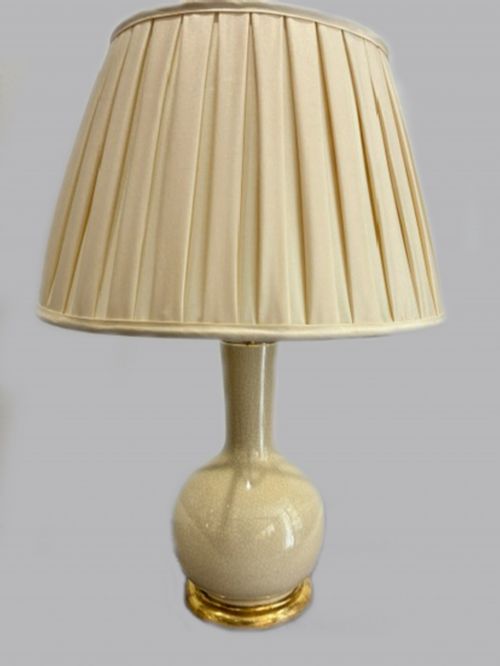
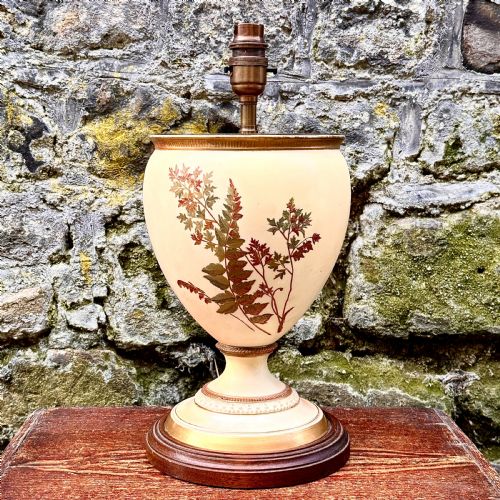
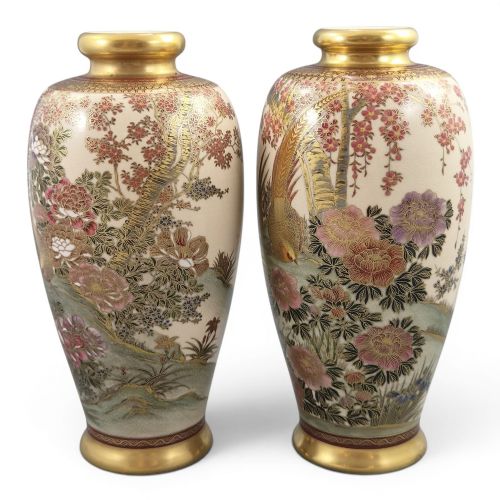
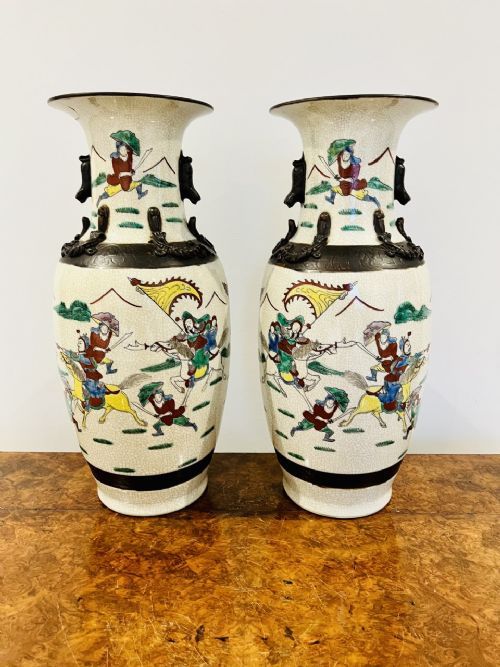
A cream porcelain urn holds botanical paintings or delicate gilding, bringing nineteenth-century cabinet elegance to a mantelpiece.
Cream Porcelain Urn
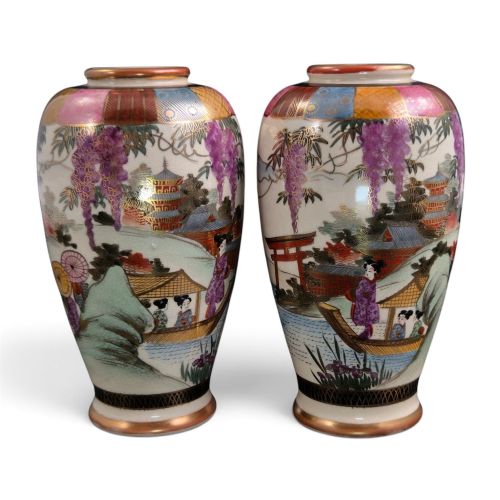
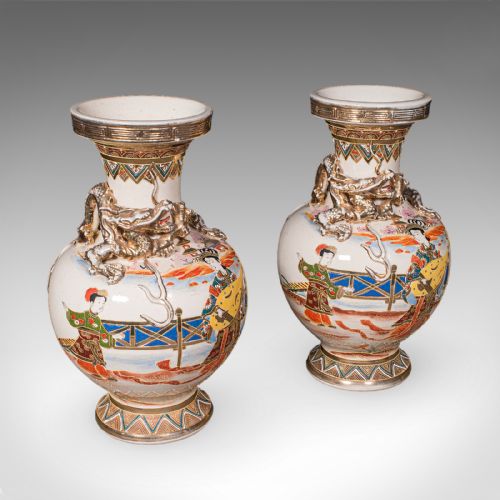
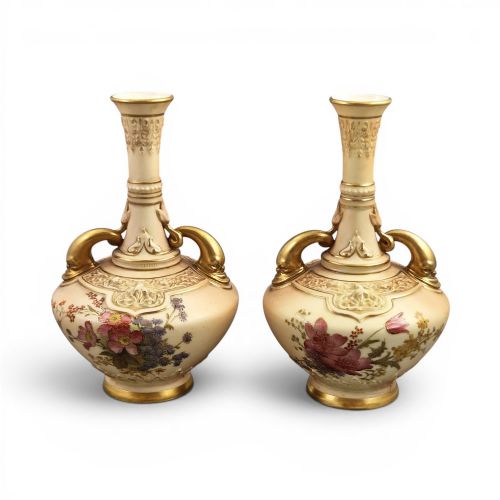
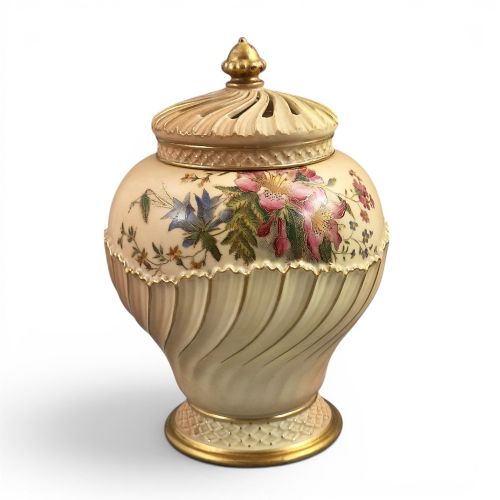
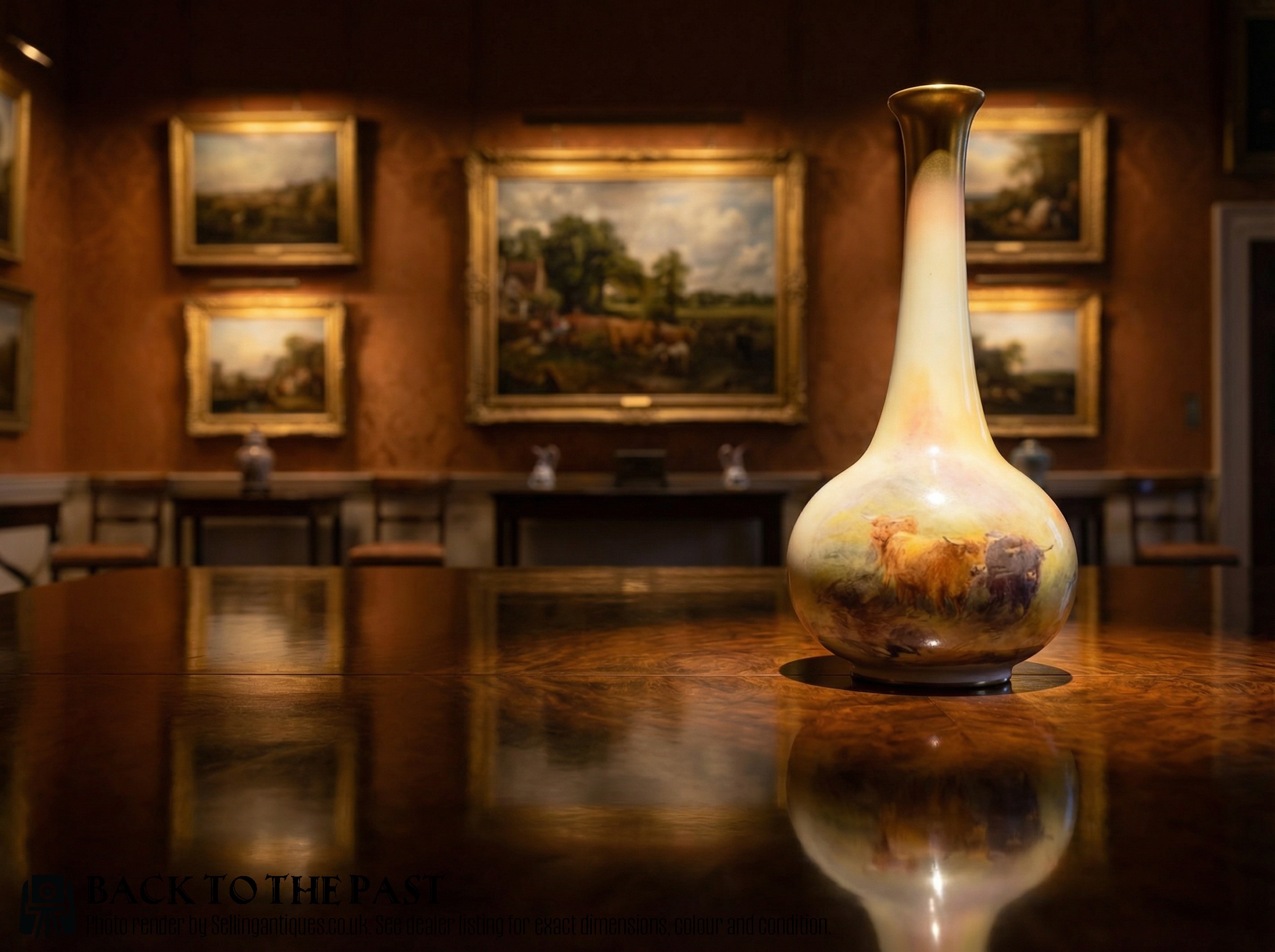
A cream porcelain urn represents the intersection of European ceramic factories and Japanese Satsuma workshops during the nineteenth and early twentieth centuries. These vessels appear as baluster vases, pot-pourri jars, and garniture sets spanning the Victorian and Edwardian eras. Buyers searching for a cream porcelain urn encounter forms shaped for display rather than domestic service, often decorated with enamel and gold leaf.
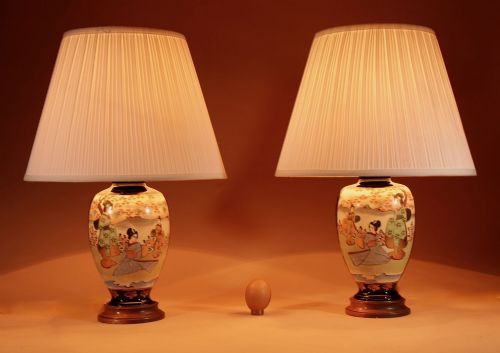
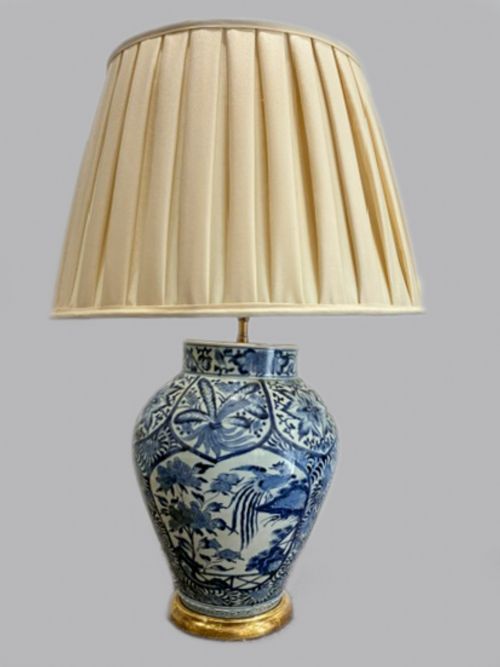
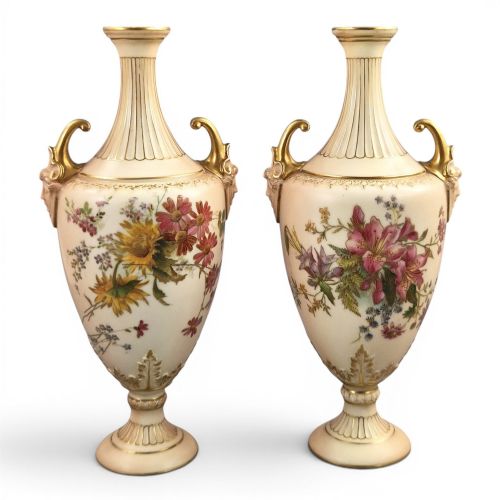
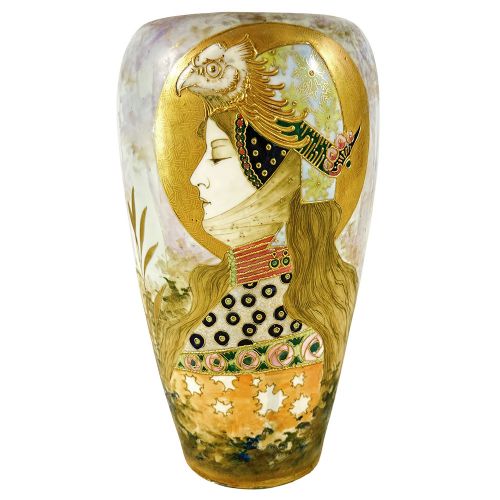
The aesthetic bridges British manufacturers like Royal Worcester and Doulton Burslem with Kyoto studios such as Kinkōzan. Many examples take the form of blush ivory bodies painted with floral motifs or figural processions. Others arrive as Japanese earthenware and porcelain pieces adapted into table lamps during subsequent decades.
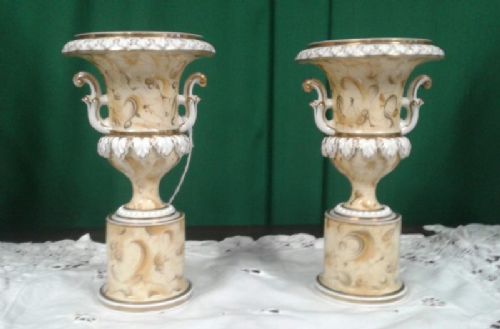
Vessels on this page range from miniature cabinet pieces to monumental exhibition items signed by master painters. The forms include campana shapes, ovoid jars, and handled ewers created to anchor a decorative scheme. Each piece demonstrates the cross-cultural exchange of ceramic designs popular across the late Victorian period.
Materials and Techniques
Makers utilised fine porcelain, earthenware, and ceramic bodies finished with delicate enamel colours and gold leaf highlights. The tactile quality relies on the interaction between a smooth, pale ground and raised gilding applied by hand. Potters shaped these bodies on the wheel or cast them in moulds before firing at high temperatures.
Artisans applied polychrome enamels and gilding over the glaze to build up intricate landscapes and floral scenes. Workshops in Kyoto combined traditional earthenware techniques with rich surface ornamentation, whilst British potteries developed specialised blush ivory bodies. These methods required precise temperature control to fuse the metallic leaf to the ceramic surface without clouding the pale background.
Cream Porcelain Urn Retail Price Guide 2026
Typical asking prices for cream porcelain urn among the pieces listed under this phrase on Sellingantiques today, from the lower quarter to the upper quarter. They describe what is for sale here now, not the wider market.
Materials recorded across the inventory include enamel, gold leaf, earthenware, porcelain, and ceramic.
Quality and Distinction
The distinction between ordinary production and top-tier pieces rests on the precision of the hand-painted detail and the crispness of the gilt work. Master decorators such as James Stinton or signed artists from the Kinkōzan workshop achieved a fineness of line that elevates a standard vessel into an exhibition-grade work. The depth of the enamel layers and the balance of the composition govern the visual success of the piece.
Provenance and signature marks also divide the range, with workshop seals and named artists commanding greater attention. The integrity of the ceramic body, freedom from restoration, and preservation of the gold leaf determine how well a piece retains its original character. Superior examples display a harmony between form and ornamentation that lesser commercial output lacks.
Royal Worcester·Kinkōzan·Reissner, Stellmacher and Kessel·Doulton Burslem
The Cream Porcelain Urn Glossary
- Blush ivory
- A matte cream ceramic finish developed by Royal Worcester in the late nineteenth century to mimic ivory. This surface provided a soft ground for delicate hand-painted floral decoration.
- Campana
- A classical vase shape resembling an inverted bell with an everted rim and a pedestal foot. These vessels frequently feature decorative handles and classical proportions.
- Garniture set
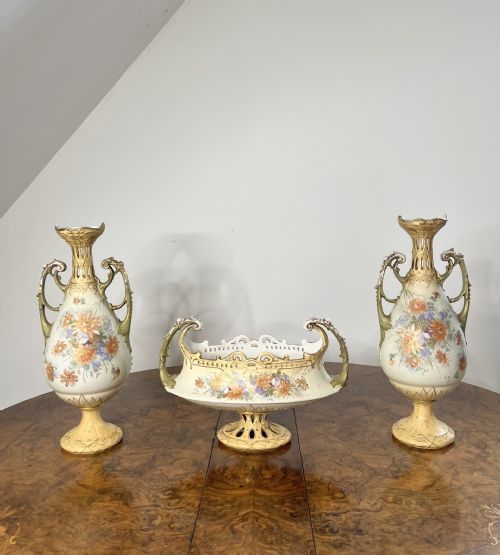
- A matched group of three or five vases and jars designed to be displayed together on a mantelpiece or cabinet top. They typically feature a central larger vessel flanked by smaller matching pieces.
- Satsuma
- Japanese earthenware originating from the Satsuma Domain, characterised by a crackle-glaze ivory body decorated with polychrome enamels and extensive gilding. The style evolved significantly during the Meiji period for Western export markets.
- Meiji period
- The era of Japanese history lasting from 1868 to 1912, marked by the opening of trade with the West and the production of highly detailed decorative arts. Pieces from this time often display complex figural processions and landscape scenes.
Cream Porcelain Urn: Frequently Asked Questions
What is blush ivory porcelain?
Blush ivory is a specialised ceramic finish introduced by British potteries, notably Royal Worcester, during the Victorian era. It provides a soft, matte cream background designed to resemble natural ivory.
Painters used this pale surface as a canvas for delicate floral sprays and raised gilding. The technique created a warm, understated tone distinct from traditional glossy white porcelain.
How do I care for antique porcelain?
Antique porcelain requires gentle handling and protection from direct sunlight to preserve hand-painted enamels and gold leaf. Dusting with a soft, dry cloth is usually sufficient for routine maintenance.
Submersion in water should be avoided, particularly for pieces with delicate overglaze decoration or metal conversions like lamps. Professional advice is recommended if cleaning requires more than surface dust removal.
How were garniture sets displayed?
Garniture sets were arranged along mantelpieces, cabinet tops, or large sideboards to create a balanced decorative display. A complete set usually comprised an odd number of vessels, with a taller central piece flanked by smaller matching jars or vases.
This arrangement originated in European and Asian interiors to showcase imported ceramics as symbols of refinement. The matching forms tied together the decorative scheme of a formal room.