




Cream Porcelain Sculpture
These cream porcelain sculpture pieces span nineteenth-century classical figures to art deco statuary, offering tactile historical depth to interiors.
Cream Porcelain Sculpture
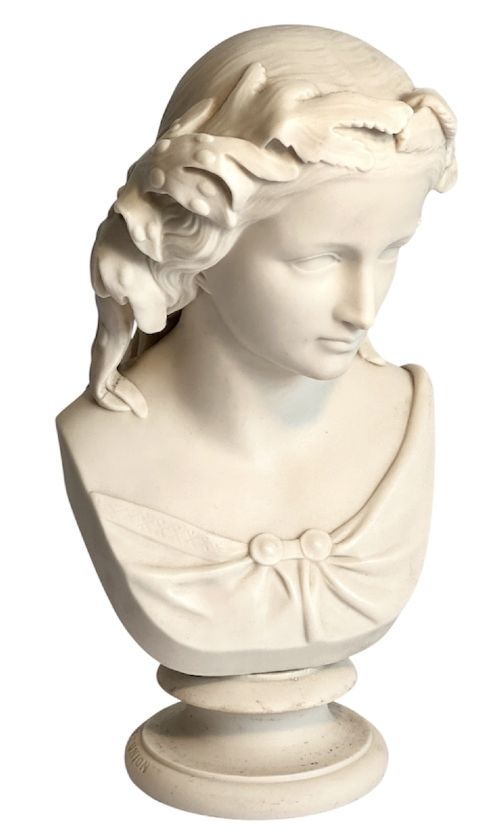
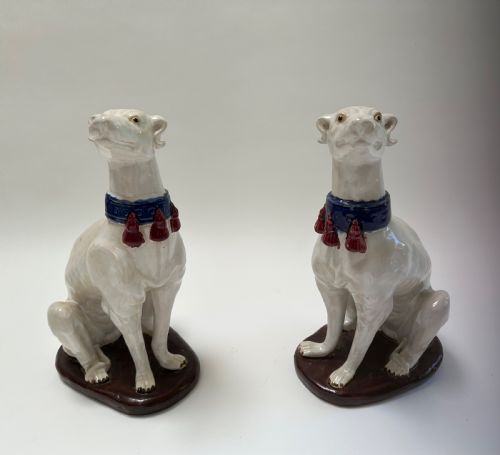
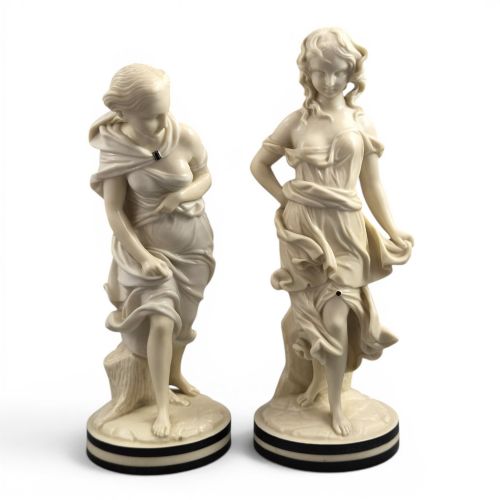
A cream porcelain sculpture brings together nineteenth-century neoclassical revival figures, Victorian parian subjects, and twentieth-century art deco studies. Buyers searching this phrase encounter figural groups, busts, animal studies, and centrepieces produced by major European factories. The most common varieties met here include unglazed parian ware and blush ivory porcelain modelled as classical maidens, animal figures, and allegorical subjects.
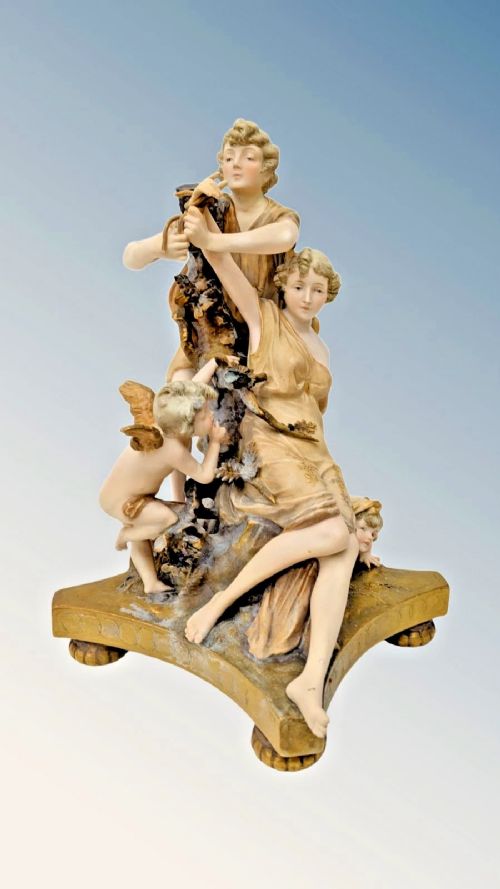
The objects date primarily from the Victorian era through the early decades of the twentieth century, with distinct representation from periods such as eighteen-ninety and nineteen-twenty. Forms range from solitary portrait busts to elaborate figural centrepieces and large animal sculptures. British manufacturers such as Royal Worcester dominate alongside continental works from Royal Dux and Turn.
How they were made
Makers utilised porcelain, parian porcelain, and bisque porcelain, often combining unglazed ceramic bodies with subtle enamel painting and selective gold leaf highlights. Parian ware was cast in multiple mould parts and fired at lower temperatures to achieve a marble-like matte texture that emphasised sculptural detail. Shot enamel and blush finishes were later applied to porcelain surfaces to create delicate, shaded tonal effects.
Modelling required skilled hand-finishing after slip-casting, where craftsmen cleaned seams and undercut details before the final kiln firing. Figures were often mounted on integral or separate ceramic bases, sometimes incorporating rustic or classical architectural motifs.
Listings span the nineteenth century through the nineteen-thirties, featuring parian ware, glazed porcelain, and enamel finishes.
What varies in quality
The standard of modelling and crispness of detail separate exceptional pieces from ordinary productions. Superior examples retain sharp facial expressions, delicate hand placement, and clean drapery folds without softening from worn moulds. The subtlety of the glaze or matte parian finish also dictates visual success, with finer works displaying smooth, even surfaces free from distracting kiln flaws.
Complexity of form distinguishes ambitious centrepieces and multi-figure groups from single-mold figurines. The articulation of secondary elements, such as foliage, animals, or elaborate bases, indicates the level of artisan skill invested in the creation.
Royal Worcester·Royal Dux·James Hadley·Copeland·Kizan
The Cream Porcelain Sculpture Glossary
- Parian Porcelain
- A fine-grained, unglazed porcelain developed to imitate marble. It fires to a smooth, matte finish well suited for classical figures and portrait busts.
- Bisque Porcelain
- Biscuit-fired unglazed ceramic that presents a porous, matte texture. It absorbs light softly and captures intricate sculptural detail.
- Shot Enamel
- A specialised metallic or multi-toned glaze technique used on porcelain to create shimmering, shifting colour effects across drapery and surfaces.
- Okimono
- A Japanese carved or modelled decorative display piece. These figures range from deities to daily life subjects.
- Centrepiece
- A large ornamental object placed in the middle of a table or room. They often incorporate shell forms, figures, or shallow vessels.
Cream Porcelain Sculpture: Frequently Asked Questions
What is parian porcelain?
Parian porcelain is an unglazed ceramic material formulated to mimic carved white marble. It gained immense popularity during the nineteenth century for producing affordable, highly detailed classical busts and figures.
The name derives from Paros, a Greek island renowned for its fine white marble. Unlike glossy porcelain, parian has a matte, tactile surface that highlights the sculptor's fine work.
How do I clean these sculptures?
Dust unglazed parian and bisque porcelain gently with a soft, dry brush to prevent dirt settling into the porous surface. Avoid harsh chemical cleaners or soaking.
Glazed porcelain portions tolerate a slightly damp cloth, but unglazed areas require cautious dry cleaning to protect the original matte finish.
Where were these figures displayed?
Victorian and Edwardian households placed these decorative sculptures on mantelpieces, side tables, and as dining table centrepieces. They served as conversation pieces and reflections of classical taste.
Larger figures and animal groups occupied prominent corners of drawing rooms, while smaller portrait busts sat comfortably on library bookshelves.
How do I date a piece?
Dating relies on factory factory marks stamped or impressed on the underside, stylistic cues like art nouveau curves, and artist signatures. Victorian registration marks provide specific years of design.
Comparing modelling styles and material finishes against known factory production eras helps narrow down the period of manufacture.