



Cream Porcelain Female Figures
Cream porcelain female figures bring classical grace and refined modelling to a room, offering timeless elegance for collectors.
Cream Porcelain Female Figures
When you search for cream porcelain female figures, you encounter a selection of sculptural works depicting women, ranging from classical maidens to Art Deco nudes. These pieces span the nineteenth and early twentieth centuries, capturing shifts in taste from Victorian revivalism to modernist styling.
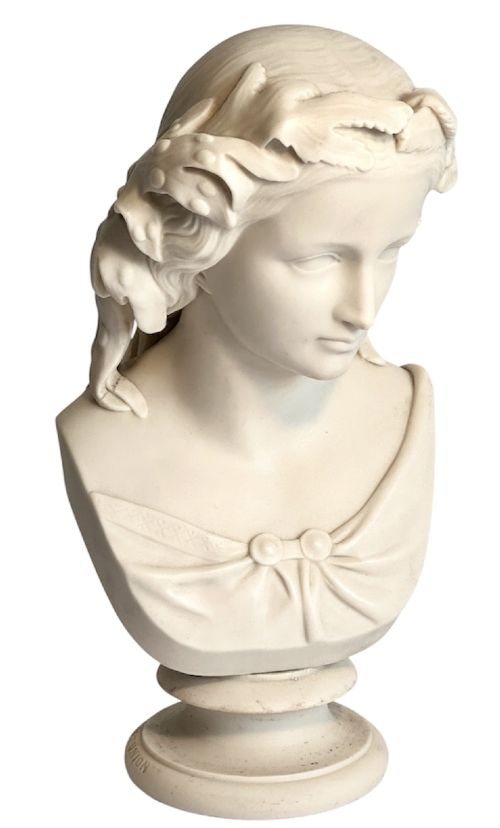
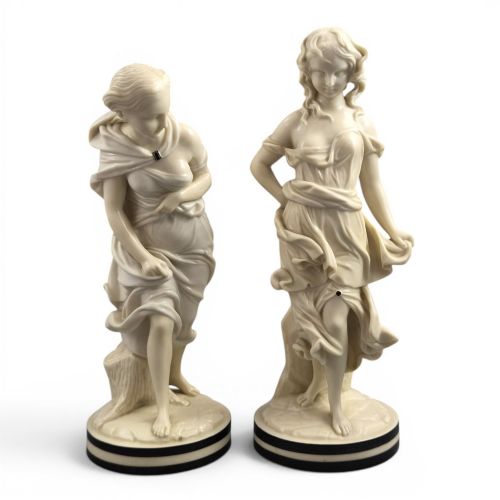
The most common iterations on this page are figures and busts modelled in parian ware or glazed porcelain. You will find subjects such as classical maidens, bathers, and flapper girls, often produced by prominent potteries across the period.
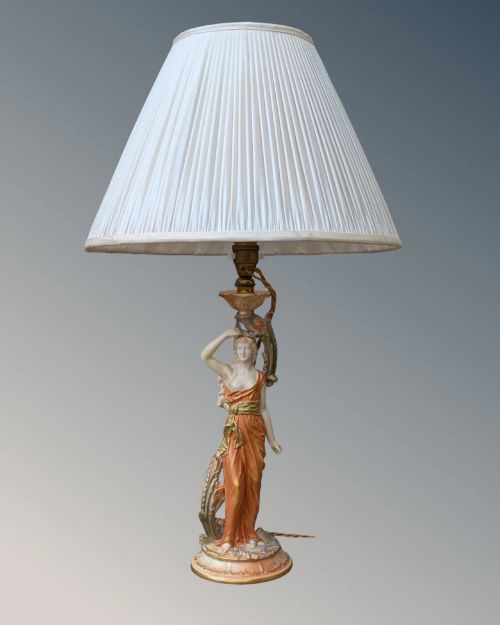
Makers utilised various forms, including table lamps and figural centrepieces alongside standalone statuettes. The overarching aesthetic relies on cream tones, matte textures, and delicate modelling to portray the female form.
Materials and construction
Some examples incorporate shot enamel, glaze, and highlights in gold leaf to accentuate specific details like garments or accessories. Elements such as brass and fabric occasionally appear in functional adaptations like table lamps.
Cream Porcelain Female Figures Retail Price Guide 2026
Typical asking prices for cream porcelain female figures among the pieces listed under this phrase on Sellingantiques today, from the lower quarter to the upper quarter. They describe what is for sale here now, not the wider market.
Listings span the nineteenth century through the 1930s, encompassing Victorian, Edwardian, Art Nouveau, and Art Deco styles.
Assessing quality
Quality rests primarily on the crispness of the modelling and the sensitivity of the sculptor's hand. Finer pieces retain sharp definition in hair, hands, and facial expressions, whereas lesser examples can appear soft or muddy in detail.
The choice of medium also dictates the character of the piece, with high-grade parian ware offering a smooth, marble-like texture. Subtle application of enamel or gilding distinguishes standard production from more ambitious works.
Copeland·Royal Worcester·Royal Dux·James Hadley
The Cream Porcelain Female Figures Glossary
- Parian ware
- A fine-grained, unglazed porcelain developed in the nineteenth century to resemble carved marble. It is particularly suited for replicating classical sculpture in miniature.
- Shot enamel
- A specialised glaze technique that creates an iridescent, shifting colour effect across the surface. It adds depth to the drapery of figures produced in the early twentieth century.
- Figurine
- A small, three-dimensional statuette depicting a human or animal form. In this context, they predominantly represent classical maidens or modern women.
- Centrepiece
- A large decorative object designed to sit in the middle of a dining table or sideboard. These often incorporate figural elements surrounded by bowls or basins.
Cream Porcelain Female Figures: Frequently Asked Questions
What is parian ware?
Parian ware is a type of biscuit porcelain designed to imitate carved marble. It became immensely popular in the nineteenth century for producing classical figures and busts.
The unglazed surface has a smooth, matte texture that highlights fine sculptural details without the reflective sheen of traditional glaze.
How do I clean these figures?
Cleaning unglazed parian porcelain requires a gentle approach because the porous surface can absorb dust and oils. Use a soft, dry brush to remove surface particles.
Avoid using water or chemical cleaners on matte surfaces unless absolutely necessary, as moisture can embed dirt deeper into the ceramic body.
How can I tell the period?
Dating relies on stylistic clues, manufacturing marks, and the specific medium used. Victorian pieces often lean towards classical revivalism and heavily draped subjects.
Later works from the 1920s and 1930s embrace Art Deco and Art Nouveau aesthetics, featuring streamlined forms, flapper girls, and geometric bases.
Were these lamps originally electrified?
Many ceramic figures and vases were later converted into table lamps during the twentieth century. This was a common practice to repurpose decorative sculptures for domestic lighting.
When examining a lamp, look for drilled bases or fitted hardware that indicates subsequent modification to the original porcelain body.