






Victorian Allegorical Figures
Victorian allegorical figures are sculptural representations of abstract concepts cast in bronze, carved from marble, or modelled in porcelain.
Victorian Allegorical Figures
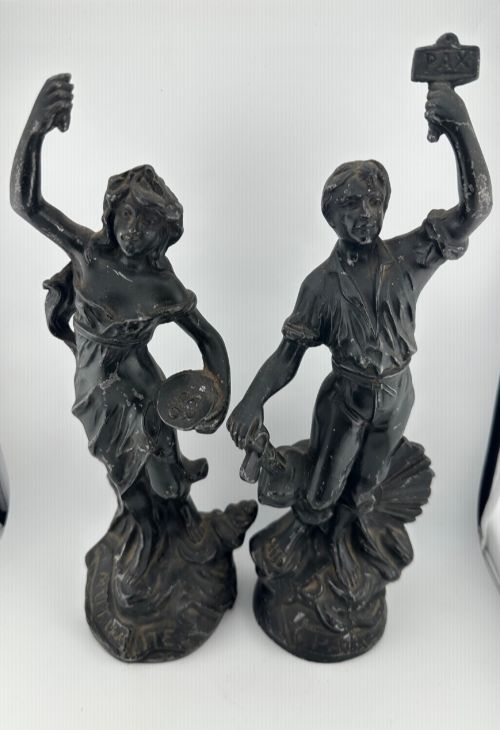
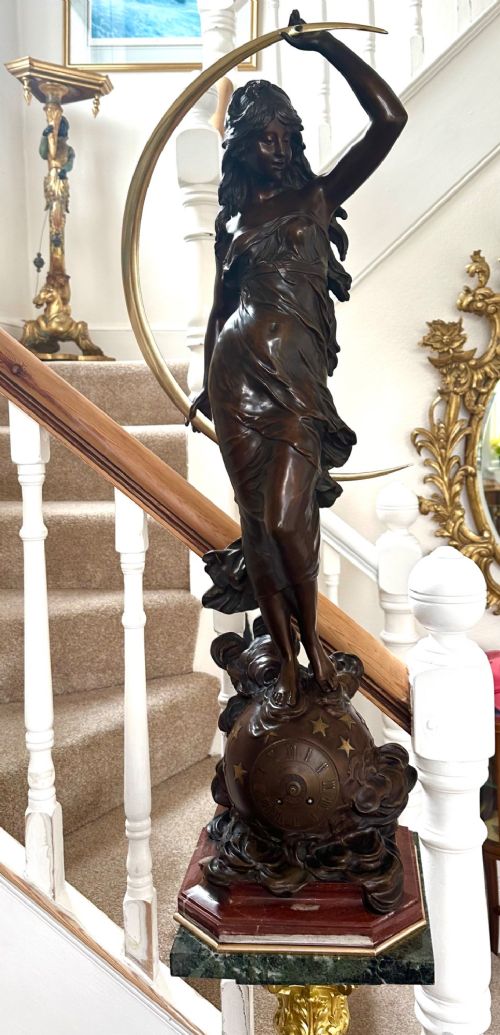
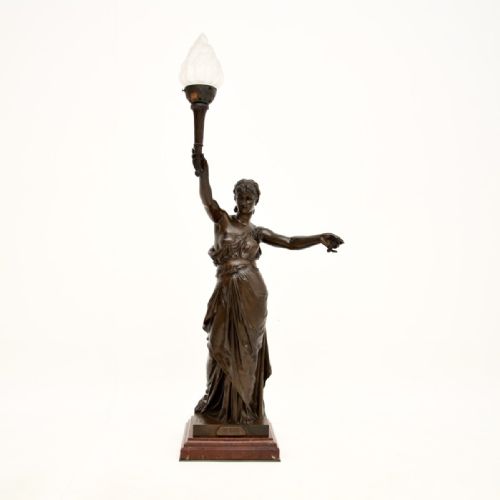
When you search for victorian allegorical figures, you encounter pieces that personify abstract ideas such as peace, modesty, gaiety, seasons, and elements through human form. These sculptural works take the shape of standalone figures, lampbases, candelabra, and framed artwork drawn from 19th Century, Victorian, and later periods.
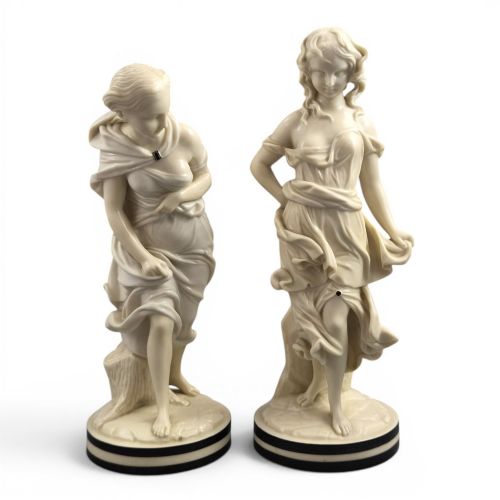
The versions you meet most frequently on this page include porcelain figurines and pairs from makers like Royal Worcester, Volkstedt, Dresden, and Samson, alongside bronze and spelter sculptures or lamps from French and international foundries. Forms range from classical engravings and marble carvings to cast metal figures dressed in Rococo Revival, Neoclassical, and Art Nouveau styles.
How they were made
Makers utilised traditional foundry and ceramic techniques, casting bronze and spelter, or moulding and painting porcelain with enamel and gold leaf details. Some pieces combine cast metal with patination, while others feature hand-carved solid marble.
Porcelain examples rely on careful kiln firing, delicate modelling of anatomical details, and hand-painted polychrome decoration often paired with gilt highlights.
Victorian Allegorical Figures Retail Price Guide 2026
Typical asking prices for victorian allegorical figures among the pieces listed under this phrase on Sellingantiques today, from the lower quarter to the upper quarter. They describe what is for sale here now, not the wider market.
Materials across these listings span bronze, porcelain, gold leaf, enamel, wood, marble, glass, and spelter.
What varies in quality
The distinction between standard commercial output and higher artistic achievement lies in the depth of the casting, the quality of the marble carving, and the sophistication of the stylistic execution within Neoclassical or Art Nouveau frameworks.
August Moreau·Royal Worcester·James Hadley·Volkstedt·Helena Wolfsohn·Samson·Jean-Jules Cambos
The Victorian Allegorical Figures Glossary
- Allegorical figure
- A representation of an abstract idea, season, or element in human form. These subjects draw on classical mythology and 19th Century symbolism.
- Spelter
- A zinc alloy used as a less expensive substitute for bronze in decorative figures. It is often given a bronze-look patination to mimic heavier metal.
- Polychrome
- Painted in several colours. This term describes the multi-coloured enamel decoration found on porcelain figurines and candelabra.
- Patina
- The surface appearance acquired by bronze or marble through age and use. It records the history of the object and adds depth to the metalwork.
- Putto
- A plump naked child figure, frequently winged, appearing in sculptural groups and candelabra. These figures derive from classical art and Renaissance motifs.
Victorian Allegorical Figures: Frequently Asked Questions
What do victorian allegorical figures represent?
These pieces personify virtues, seasons, elements, or emotional states through human figures, mythological characters, and symbolic attributes.
Artists drew on classical themes to communicate moral, historical, or philosophical concepts through decorative sculpture.
How were these figures displayed originally?
Figures in porcelain, bronze, and marble served as decorative centrepieces on mantelpieces, side tables, and cabinets within Victorian drawing rooms.
Many examples were integrated into functional objects such as table lamps and candelabra to provide both illumination and allegorical decoration.
How do I distinguish bronze from spelter?
Bronze is heavier, colder to the touch, and takes a deep, durable metallic patina that deepens naturally over time.
Spelter is lighter, softer, and often shows a painted or electroplated surface finish that can reveal grey metal beneath where wear occurs.
How do I care for antique porcelain figures?
Keep porcelain pieces away from direct sunlight to prevent the hand-painted enamel colours and gold leaf highlights from fading.
Dust them gently with a soft, dry brush and avoid using water or chemical cleaners that might damage delicate surface decoration.