


Cream Dial Clock
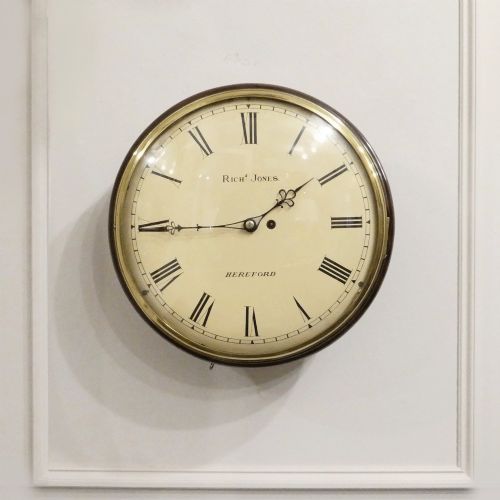
These cream dial clock pieces range from Georgian wall timepieces to mid-century industrial faces, offering practical timekeeping and robust interior presence.
Cream Dial Clock
A cream dial clock is a timepiece featuring a light-coloured face, appearing across periods from the eighteenth century through to the mid-twentieth century. Buyers search for these pieces to anchor a room with a functional focal point that carries genuine age and architectural weight.
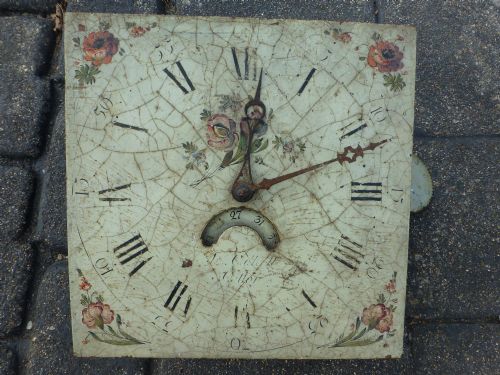
The selections available here span diverse forms, including large wall clocks, standalone dial faces, marine chronometers, and desk clocks. You will encounter Georgian fusee movements, Victorian industrial pieces, and nineteen-thirties London wall clocks alongside promotional garage items.
Origins vary from English makers in Hereford and London to Japanese export pieces and maritime instruments from Kelvin White and Hutton. This mix provides varied diameters and casing materials suited to domestic or commercial spaces.
Materials and construction
These clocks rely on sturdy timber housings like mahogany, alongside metal, iron, and brass for movements, bezels, and chain fusee mechanisms. Glazed fronts protect the painted dials, which often feature convex glass and hand-painted numerals.
Dials themselves utilise paint on metal or wood substrates, sometimes taking the form of standalone enamel turret faces designed for outdoor visibility. The manufacturing techniques combine traditional cabinetry with precision mechanical gear-cutting.
The listings span from the eighteenth century to the nineteen-fifties, utilising materials including brass, mahogany, glass, iron, and paint.
Assessing quality in a cream dial clock
Quality rests on the original integrity of the movement, such as whether a fusee mechanism remains intact and operational. Finer examples display crisp hand-painted numerals and well-proportioned brass bezels that match the period of the case.
The distinction between standard commercial timepieces and superior items often lies in the provenance of the maker and the preservation of the painted dial face. Original glass and unblemished metalwork elevate a piece far above items with replaced components.
Richard Jones of Hereford·Joyce Whitchurch·Smiths·Kelvin White and Hutton
The Cream Dial Clock Glossary
- Fusee movement
- A conical pulley device controlled by a chain or cord that ensures even power delivery to the gear train as the mainspring unwinds. This mechanism is typical in better quality English clocks.
- Dial face
- The visible circular plate displaying numerals to indicate time, which in these pieces frequently presents in cream or off-white paint.
- Convex dial
- A clock face that curves outward toward the viewer, often placed behind curved glass to reduce glare and improve legibility from an angle.
- Turret clock
- A large clock designed for placement in a tower or exterior wall, featuring a dial engineered to withstand outdoor conditions.
Cream Dial Clock: Frequently Asked Questions
Are these clocks suitable for daily timekeeping?
Many of these pieces retain working mechanical movements that keep accurate time when properly wound and serviced by a professional horologist.
Fusee and chain movements require careful handling and regular setting to maintain precision in a modern home environment.
How do I identify a Georgian clock face?
Georgian dials often feature hand-painted wooden or metal substrates with distinct typography and robust construction suited to domestic or mercantile use.
Examining the backplate and the style of the numerals usually helps distinguish an eighteenth-century piece from later Victorian reproductions.
Where should I place a maritime clock?
Maritime instruments with chain fusee movements look best mounted at eye level in studies, hallways, or living rooms where their brass bezels and heavy cases catch the light.
Keep them away from damp areas and direct heat sources to protect the painted cream dials and timber housings.