




Smiths Desk Clock
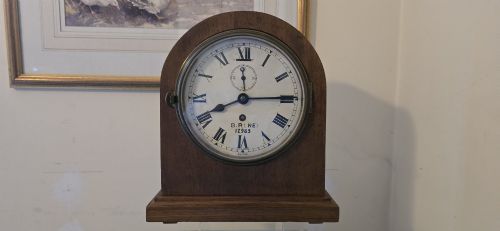
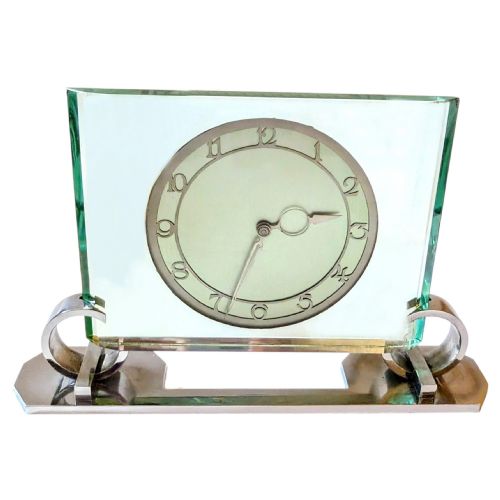
These smiths desk clock examples range from sturdy military timepieces to striking peach mirror glass mantel designs, offering both utility and mid-century character for the study.
Smiths Desk Clock
When you examine a smiths desk clock, you find yourself looking at timepieces that span periods from the nineteen-thirties through to nineteen-sixty and later. The selection includes mantel clocks, table clocks, and specialised advertising pieces associated with garages and automotive brands.
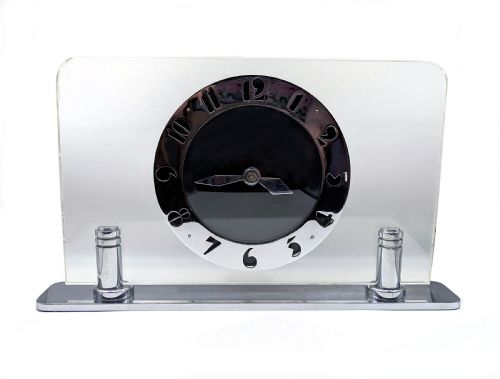
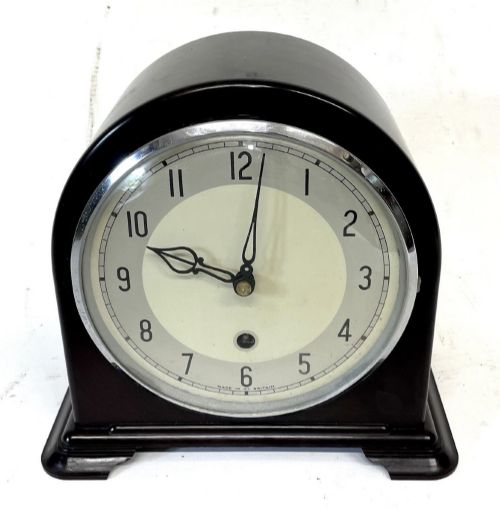
Art Deco and modernist designs dominate the items encountered here, frequently utilising glass, chrome, and bakelite in their construction. You will also meet military issues and promotional motoring items connected to names like Alvis and Brooklands.
How they were made
Movements varied between traditional wind-up mechanisms, thirty-hour movements, eight-day systems, and electric options. Casing construction often paired metal bezels with heavy glass or plastic stands, creating stable desk and table accessories.
Listings feature items dated from nineteen-thirty up to the nineteen-sixties, utilising materials including chrome, bakelite, brass, and mirror glass.
What varies in quality
The distinction between standard production items and more desirable examples often lies in the materials chosen for the casing and dial. Pieces incorporating peach mirror glass or specialised promotional motoring designs stand apart from plain utility models.
Construction details such as the weight of the brass, the clarity of the glass, and the complexity of Art Deco styling dictate the standing of individual timepieces. Military pieces derive their interest from specific markings and robust operational specifications.
Smiths Clockmakers·Smiths Clock Company·A.L. Davenport
The Smiths Desk Clock Glossary
- Bakelite
- An early form of synthetic plastic used extensively for durable clock casings and electrical housings. It provides a dense, solid structure with a characteristic smooth finish.
- Art Deco
- A design style spanning the nineteen-thirties that prioritised geometric shapes, stylised motifs, and modern industrial materials. It strongly influences the visual appeal of these clocks.
- Mystery clock
- A timepiece where the dial hands appear to move without any visible mechanical connection to the movement. This clever illusion relies on concealed glass discs.
- Broad arrow
- A British government mark used to indicate crown property, frequently stamped onto military and office mess clocks. It authenticates official service use.
Smiths Desk Clock: Frequently Asked Questions
How do I wind a vintage clock?
Most mechanical versions use a small key or an attached butterfly winder at the back to tension the mainspring.
Take care not to overwind the movement, stopping as soon as you feel firm resistance.
What is a mystery clock?
A mystery clock uses transparent glass or crystal dials to make the hands appear as though they float without mechanical support.
The movement is typically hidden in the base or rim, driving the hands through concealed gearing.
How do I identify a military issue?
Military and office mess pieces usually feature government acceptance marks, such as the broad arrow stamp, alongside robust bakelite or metal bodies.
These timepieces were built for strict service utility rather than domestic decoration.