




British Smiths Clock
A british smiths clock brings utilitarian engineering and domestic design together through decades of dependable mechanical and electric timekeeping.
British Smiths Clock
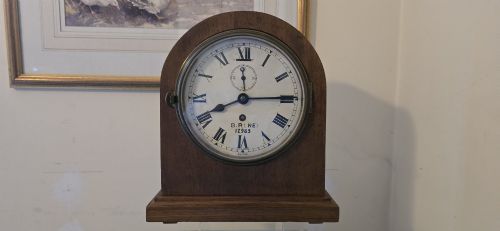
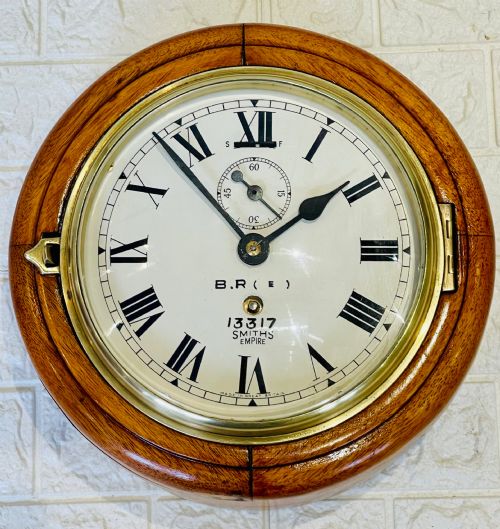
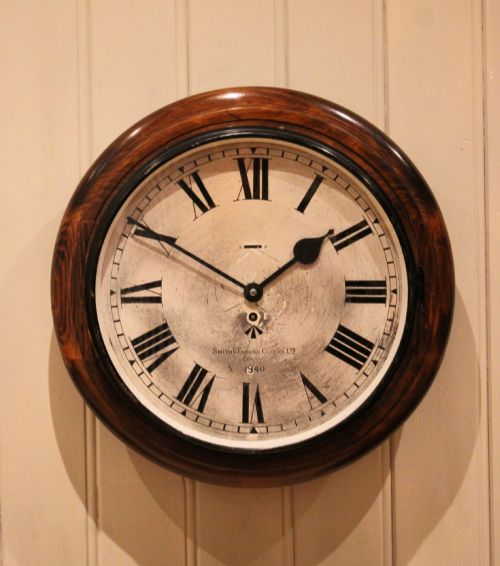
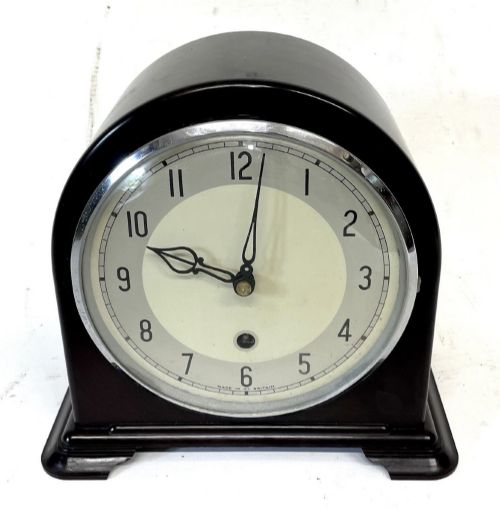
A british smiths clock encompasses a diverse range of timepieces spanning utility wall clocks, mantel models, and promotional desk items from the nineteen-thirties to later decades. Buyers encounter railway dials, military issue pieces, and art deco mantel designs reflecting the industrial output of British workshops.
The most common examples on this page are wall and mantel clocks driven by movements from the nineteen-forties and nineteen-fifties, often marked by railway, military, or factory provenance. These utilitarian forms sit alongside art deco glass and brass designs intended for domestic interiors.
Object types vary from large factory and station dials to small desk and table pieces, utilising electric movements, eight-day mechanical mechanisms, or thirty-hour movements. Each iteration demonstrates the practical application of British horology across transport networks, government offices, and homes.
Materials and construction
Movements span mechanical eight-day and thirty-hour configurations alongside early electric mechanisms like the Sectric system. Dials feature clear typographic layouts designed for legibility in railway signal boxes, engine rooms, and office messes.
Some garage desks once displayed promotional Goodyear tyre clocks to remind motorists of rubber durability.
Factors of quality and origin
Quality in a british smiths clock is evident in the robustness of the casing materials, whether solid oak, cast metal, or moulded bakelite, and the crispness of dial markings. Pieces associated with specific railway companies, military branches, or promotional advertising carry distinct provenance that elevates their interest to collectors.
The sophistication of the movement, ranging from standard thirty-hour mechanisms to complex eight-day and electric systems, distinguishes utilitarian models from domestic art deco pieces. Original components, unpolished bezels, and legible issue markings contribute significantly to the integrity of each timepiece.
Smiths Clockmakers England·Smiths English Clocks Ltd London
The British Smiths Clock Glossary
- Sectric
- An electric clock movement introduced by Smiths in the nineteen-thirties, running directly from mains electricity rather than a mainspring.
- Broad Arrow
- A government mark used in Britain to indicate property belonging to the Crown, frequently stamped on military issue clocks.
- Dial clock
- A wall-mounted timepiece featuring a prominent circular face, historically utilised in offices, railway stations, and public buildings.
- Pork pie clock
- A colloquial term for a specific deep-cased wall clock design, often found in railway signal boxes and operational utility spaces.
British Smiths Clock: Frequently Asked Questions
How do I date a british smiths clock?
Dating relies on stylistic cues like art deco geometry or wartime material substitutions, alongside case markings and movement types. Railway and military pieces frequently carry issue dates or specific departmental stampings.
Examining the materials, from early oak and brass to post-war plastics and bakelite, helps narrow the production decade. Consulting known government and transport supply codes further clarifies the timeline.
Were these clocks used in railway stations?
Yes, many utility wall clocks were manufactured specifically for railway companies like British Rail and the Great Western Railway. These were positioned in signal boxes, engine rooms, and platforms for precise time coordination.
Such pieces were built to rigorous specifications to withstand heavy industrial environments, vibration, and continuous operation. Their robust metal or wooden cases and clear dials reflect this operational demand.
What is a Sectric movement?
A Sectric movement is an electric clock mechanism powered by mains electricity rather than traditional weights or mainsprings. Introduced in the nineteen-thirties, this technology offered reliable timekeeping without manual winding.
These movements appear in various models ranging from hospital wall clocks to domestic mantelpieces. They represent a significant shift toward electrical innovation in British horology during the mid-twentieth century.
How do I care for an antique clock?
Living with these timepieces involves placing them away from excessive moisture and direct sunlight to protect wooden and plastic cases. Mechanical movements require periodic professional servicing to ensure the gears operate smoothly.
Electric models should be checked by a qualified professional before connecting to modern electrical supplies. Regular dusting of glass faces and metal bezels maintains the exterior appearance.