


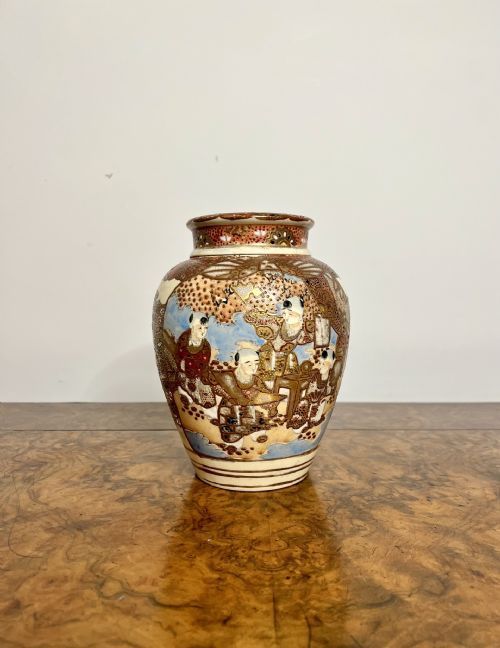
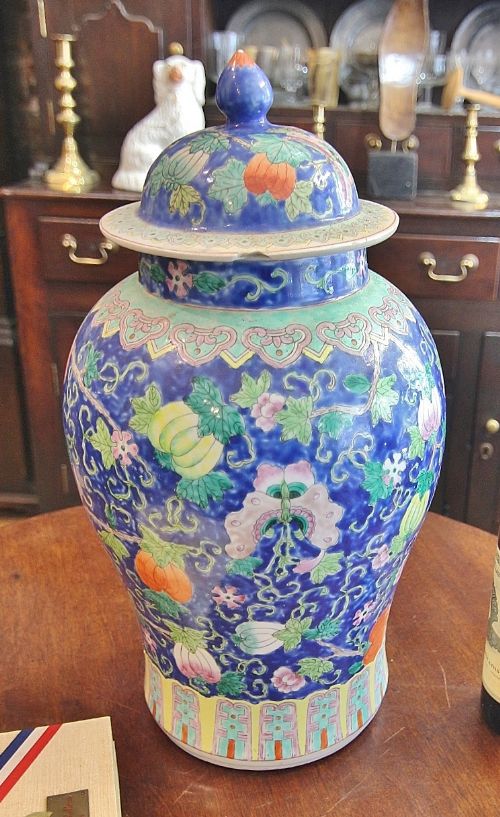
Covered Porcelain Vase
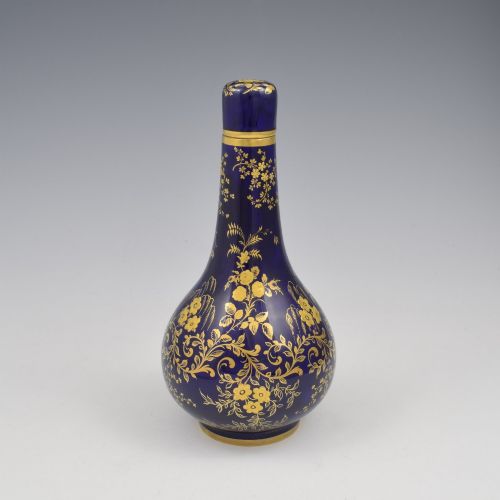
A covered porcelain vase brings painted ceramic and gold leaf into a room, offering both a decorative container and a focal point.
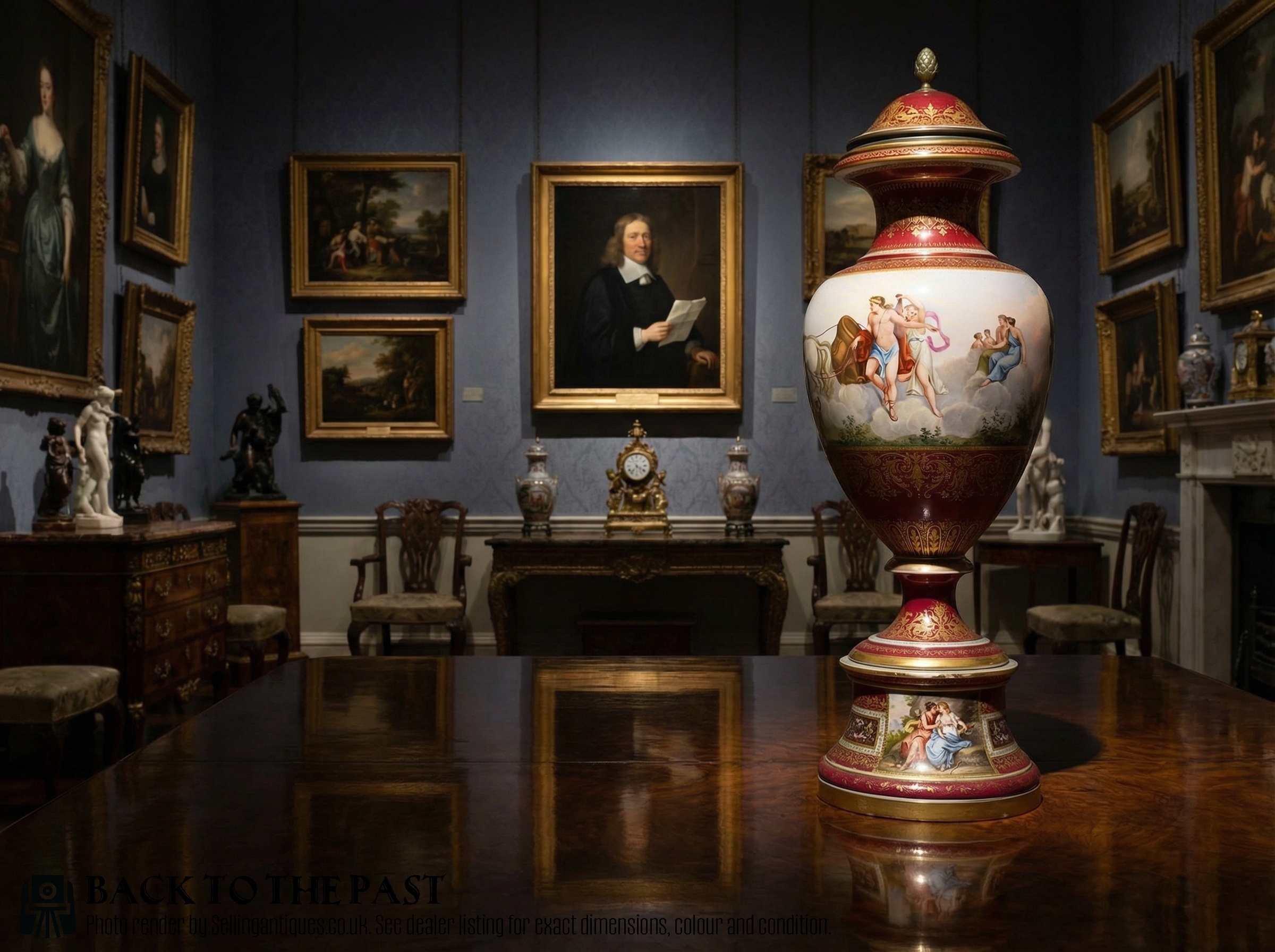
What a covered porcelain vase is
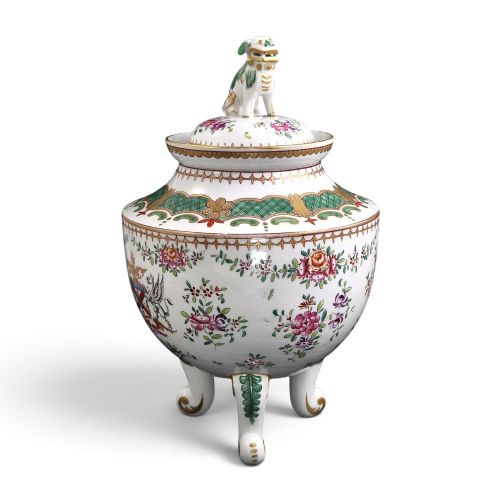
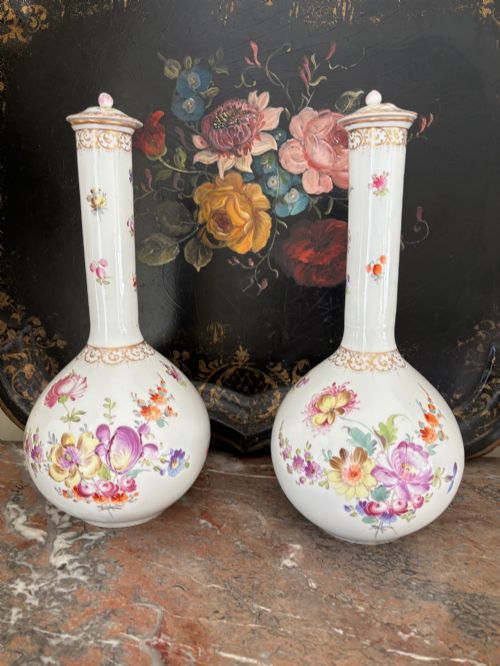
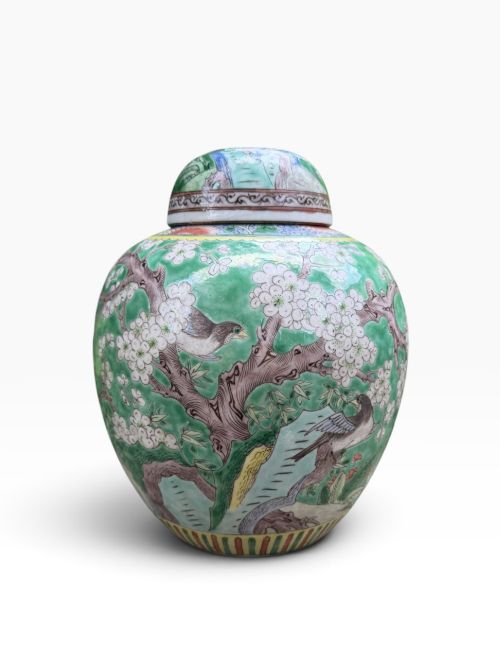
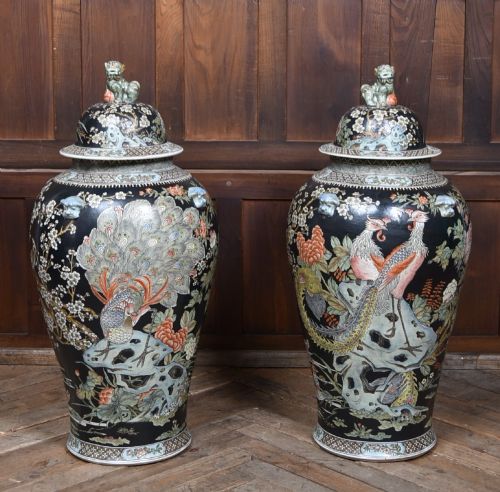
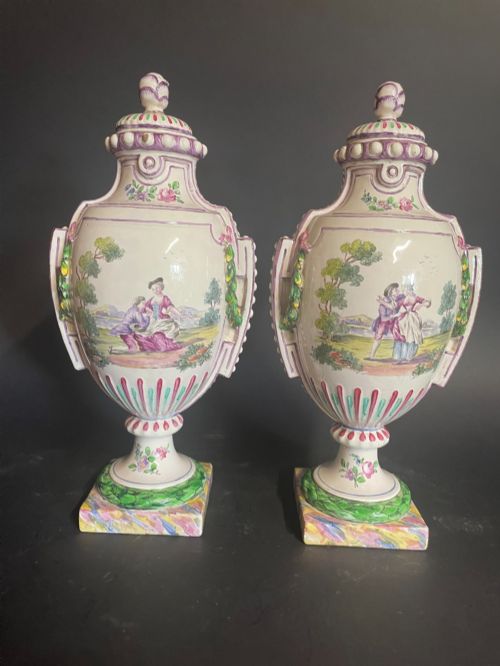
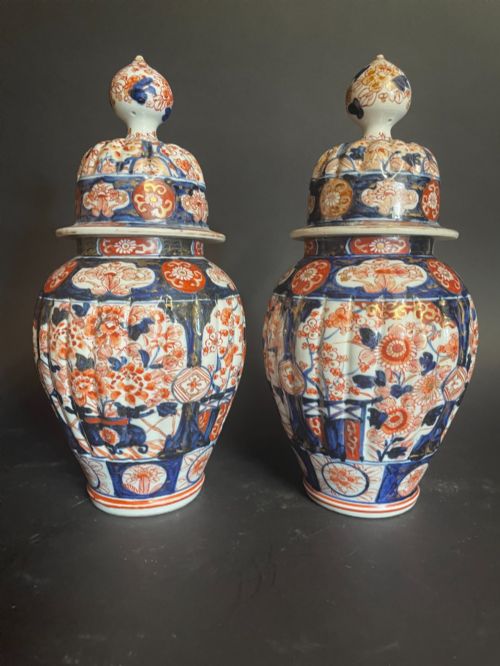
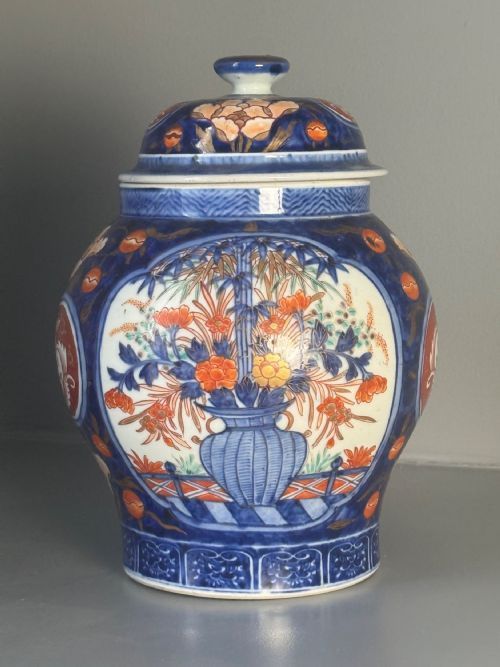
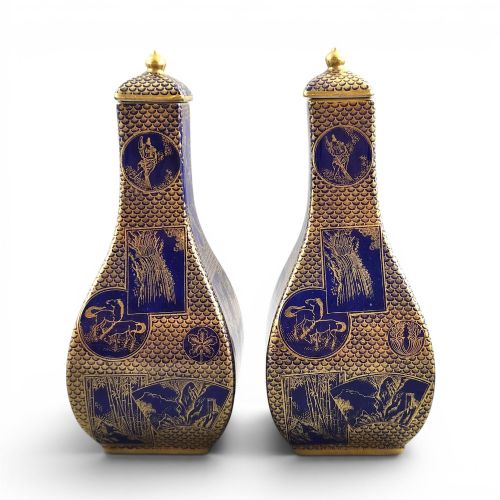
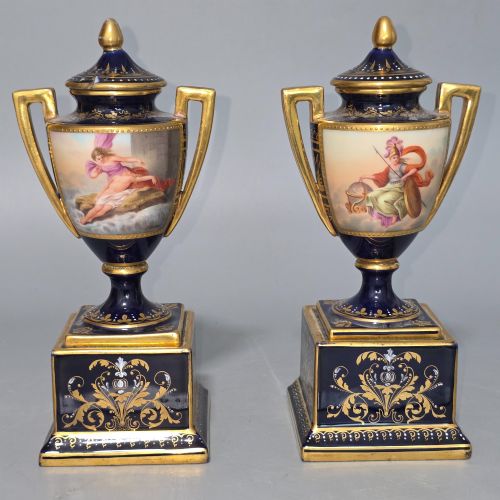
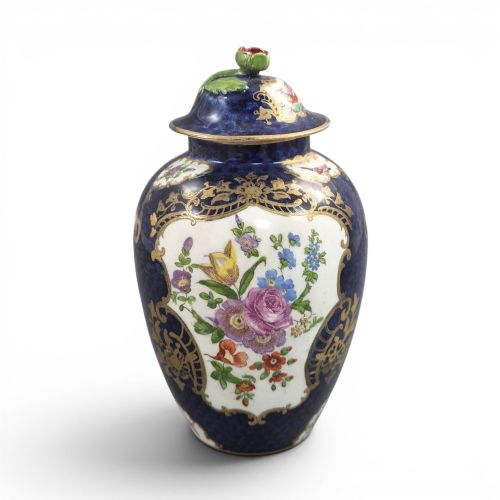
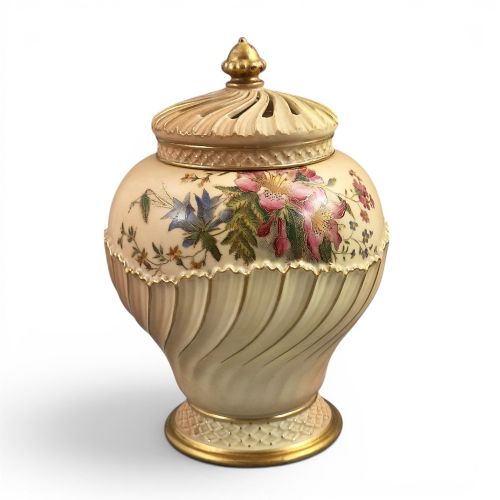
When searching for a covered porcelain vase, collectors encounter pieces ranging from Victorian urns to Edwardian pot pourri vessels and Japanese Imari wares. These items combine a ceramic body with a matching lid, serving as ornamental centerpieces rather than functional flower holders.
The selections on this page span the nineteenth century through the early twentieth century, taking the form of baluster vases, lidded urns, and octagonal shapes. Makers of these pieces utilised diverse artistic traditions, moving between English manufactories and continental European workshops.
Buyers most frequently meet nineteenth-century and Edwardian examples featuring hand-painted scenes, gilt accents, and transfer-printed motifs beneath glazed surfaces. Each specimen demonstrates the specific aesthetic priorities of its period of origin, from classical revival lines to exotic bird illustrations.
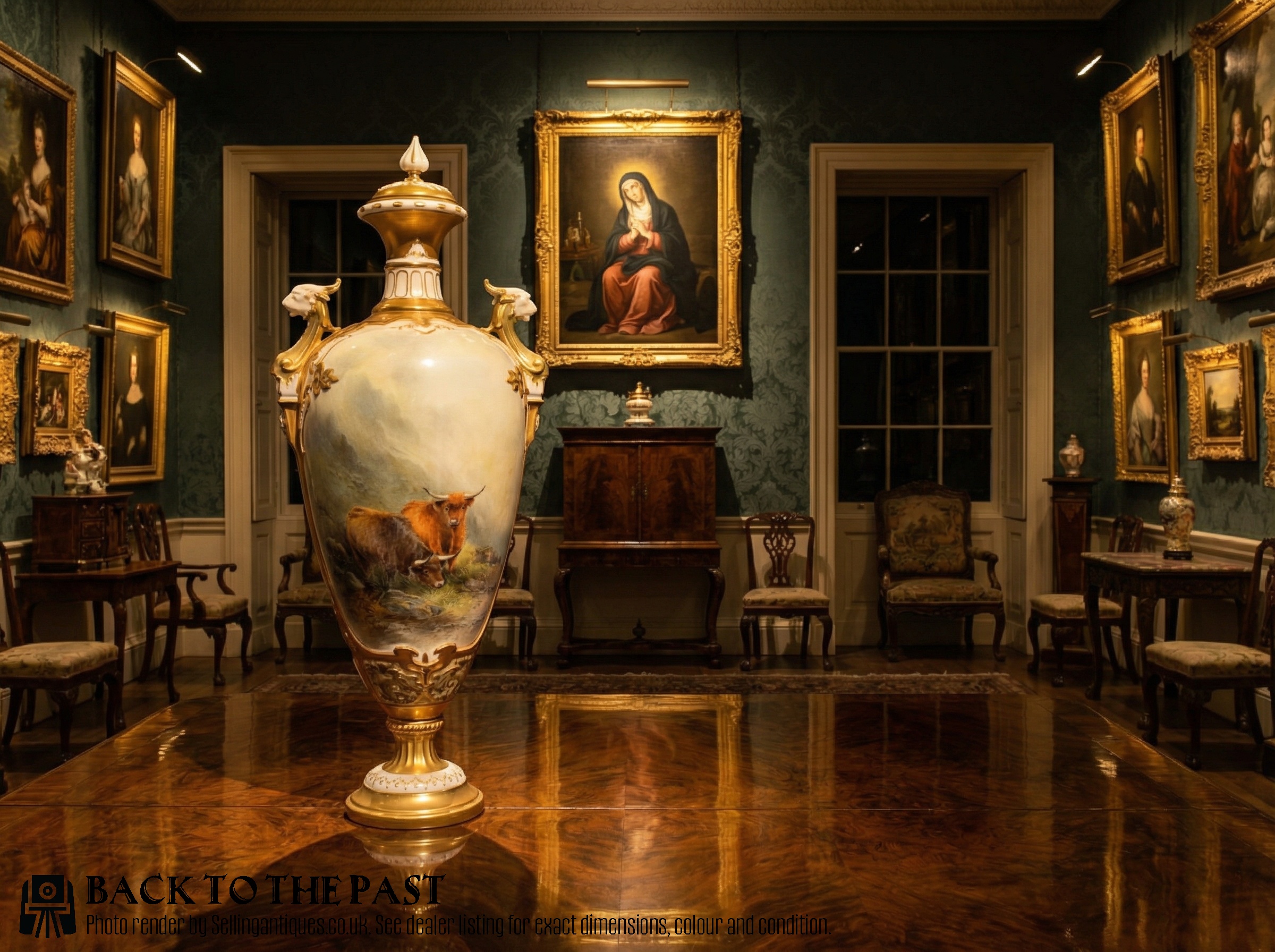
How they were made
Potters shaped these vessels from ceramic and porcelain clays, throwing or moulding the bodies and matching lids before firing them at high temperatures. Artisans then applied foundational glazes, such as scale blue or blush ivory, to prepare the surfaces for subsequent decoration.
Painters and gilders added detail using cobalt enamel, iron red enamel, and gold leaf or gilding, which required additional kiln firings to fuse the colours permanently to the ceramic body. Skilled hands executed intricate scenes of highland cattle, exotic birds, and classical figures directly onto the porcelain.
Retail Price Guide 2026
Typical UK retail prices for covered porcelain vase, calculated from the Sellingantiques database of over a million retail prices indexed since 2003. This retail price guide relies exclusively on Sellingantiques data; no external sources or auction records are used, so the figures do not describe the wider market.
Listings feature porcelain, enamel, gold leaf, and ceramic materials across the nineteenth and early twentieth centuries.
What varies in quality
Quality in a covered porcelain vase rests upon the precision of the ceramic form and the skill of the brushwork. Hand-painted artistry by documented hands commands greater attention than standard factory output.
The application of gold leaf and enamel work also distinguishes finer pieces, where crisp lines and deep firing create lasting brilliance. The weight and balance of the lid in relation to the main body reflect the original potter's execution.

Booths Silicon China·Royal Crown Derby·Royal Worcester
The Covered Porcelain Vase Glossary
- Baluster
- A vertical architectural form resembling a pillar, which swells gently towards the lower section. This profile provides stability and visual weight to large ceramic vessels.
- Cobalt Enamel
- A deep blue vitreous pigment applied beneath or over the glaze before firing. It yields a rich colour that remains stable at high kiln temperatures.
- Gilding
- The application of gold leaf or gold dust to the surface of porcelain. It emphasises decorative borders and highlights sculptural details.
- Pot Pourri
- A specialised vessel featuring a pierced or perforated lid designed to diffuse scent from dried flower petals and spices. These containers combine decorative painted scenes with functional ventilation.
Frequently Asked Questions
What is a covered porcelain vase?
A covered porcelain vase is a ceramic vessel fitted with a matching lid, designed primarily for display rather than holding water for cut flowers.
These pieces often take the form of urns or baluster shapes, decorated with hand-painted scenes, enamel work, and gilding.
How do I care for a covered porcelain vase?
Care involves gentle dusting with a soft, dry cloth to protect the delicate enamel and gold leaf decorations from abrasion.
Keep these ceramic vessels away from direct sunlight and areas prone to sudden temperature changes to preserve the glaze.
How do I date a covered porcelain vase?
Dating relies on maker marks, ceramic bodies, and stylistic indicators such as Edwardian blush ivory finishes or Victorian classical revival motifs.
Comparing the painting style and the colour palette to documented periods helps narrow down the time of manufacture.
Were these vases used for flowers?
Most covered porcelain vases served as ornamental mantelpiece ornaments or decorative urns rather than functional flower holders.
Specific variants, such as pot pourri vessels, were constructed with pierced lids specifically to hold scented dried botanicals.