




Edwardian Hand Painted Urn
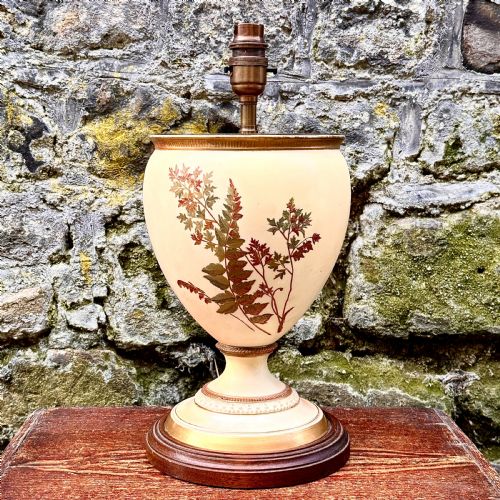
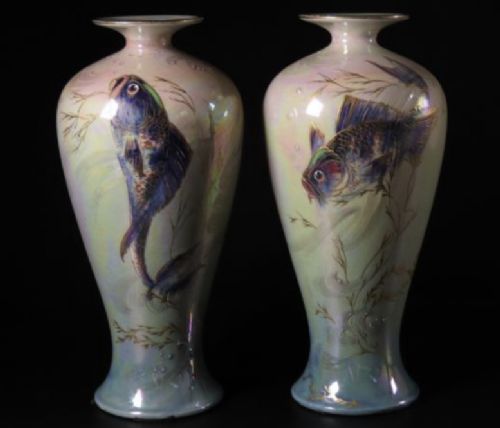
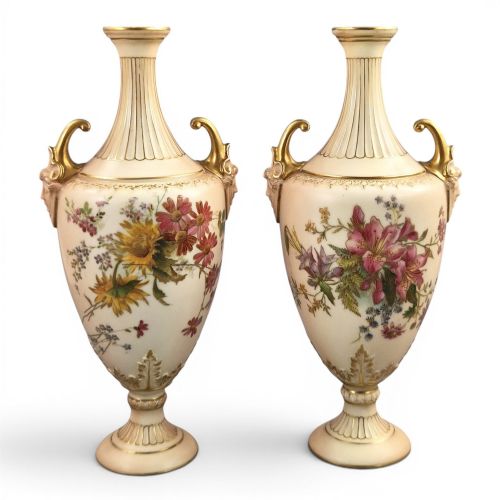
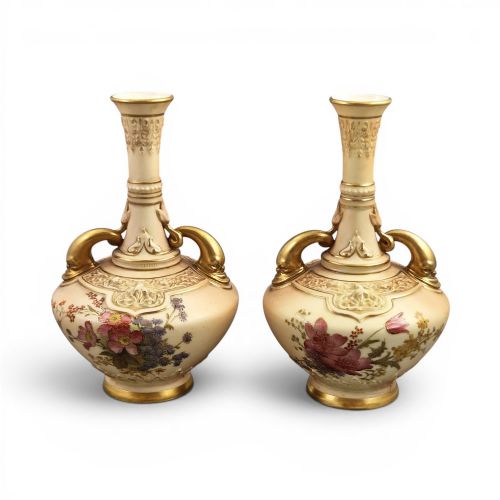
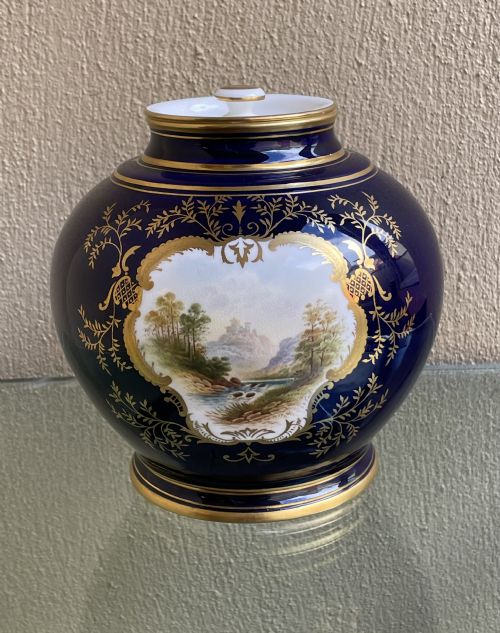
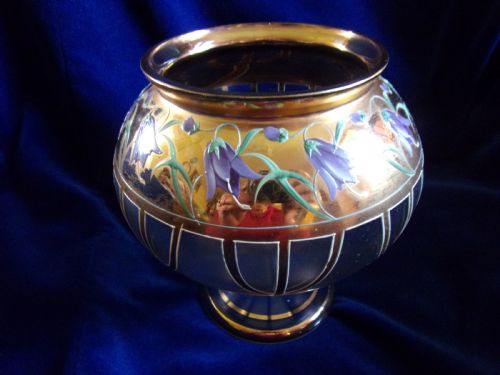
These pieces combine Edwardian hand painted urn forms with porcelain bodies and delicate surface brushwork to bring period character to a room.
Edwardian Hand Painted Urn
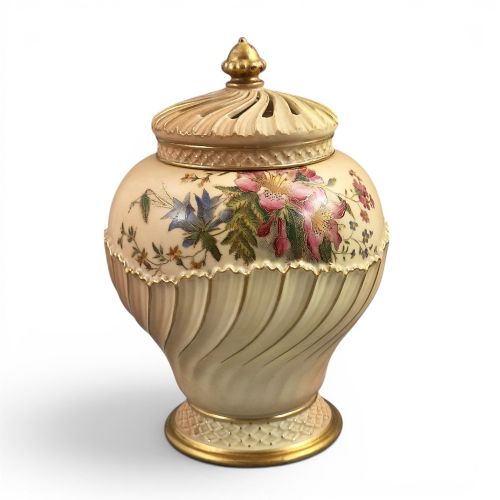
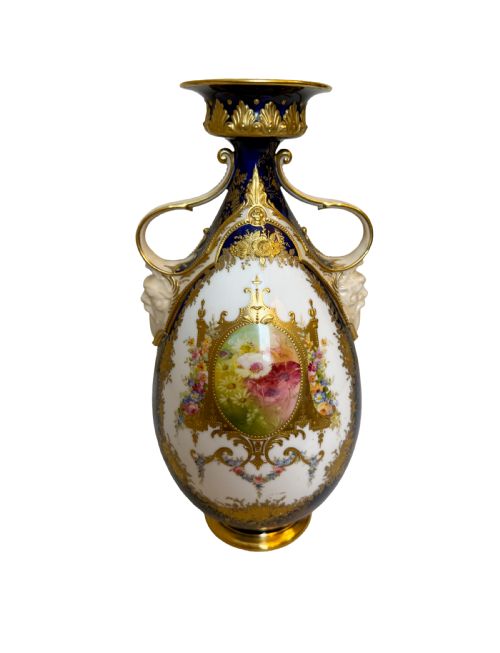
When searching for an edwardian hand painted urn, a buyer encounters decorative vases, lidded jars, and pot-pourri vessels originating mainly from the Edwardian era and the early twentieth century. The forms range from ovoid porcelain bodies to handled ewers and mantle ornaments.
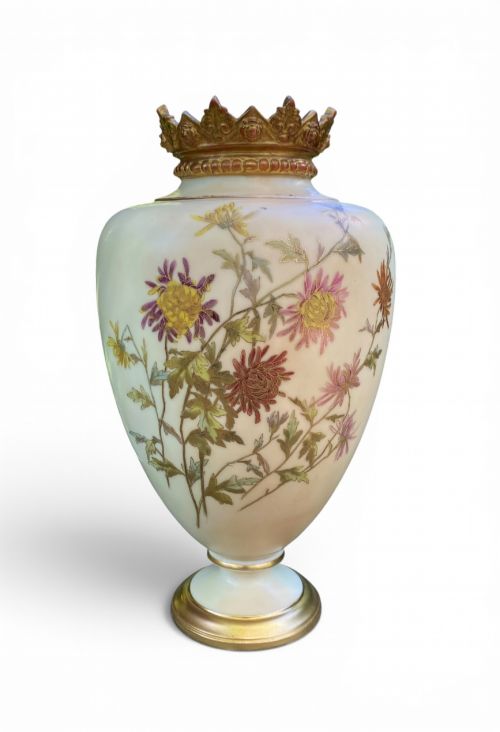
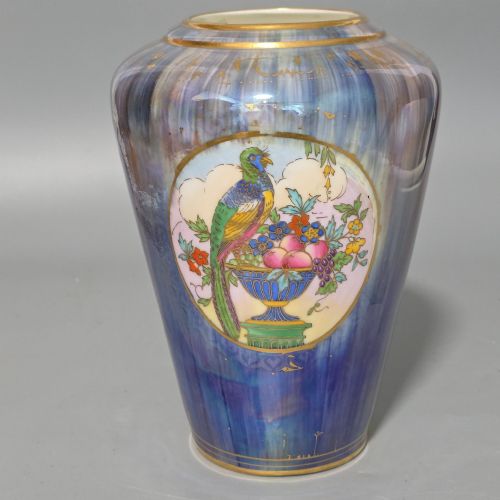
Porcelain serves as the primary medium for these vessels, frequently finished with blush ivory grounds, coloured glazes, or intricate hand-painted floral, bird, and landscape scenes. Many examples originate from prominent English potteries of the period.
Buyers are most likely to meet pieces decorated by named factory artists working in porcelain, alongside related earthenware and Satsuma or Imari variations. The forms emphasise display and ornamental presence rather than utilitarian function.
Materials and painting techniques
Potters shaped these vessels from fine porcelain and earthenware bodies before applying white or tinted glazes such as blush ivory. Artisans then executed detailed hand-painted scenes directly onto the prepared surface using specialised ceramic pigments.
Gilding, gold leaf, and enamel details were frequently added to handles, rims, and borders to accentuate the contours of the piece. Firing in kilns set the pigments permanently into the glaze, often requiring multiple firings for raised or complex designs.
Edwardian Hand Painted Urn Retail Price Guide 2026
Typical asking prices for edwardian hand painted urn among the pieces listed under this phrase on Sellingantiques today, from the lower quarter to the upper quarter. They describe what is for sale here now, not the wider market.
The selection spans Victorian, Edwardian, and Art Nouveau styles alongside Japanese Imari and Satsuma imports.
Assessing quality and craftsmanship
The distinction between standard and superior pieces rests upon the identity and skill of the hand painter. Vases bearing the signatures of noted artists command greater attention due to the precision and detail of their pictorial subjects.
The complexity of the form and the application of subsidiary techniques such as pierced gilt handles, raised enamelling, or intricate gilding separate standard production vessels from works designed for exhibition.
Royal Worcester·Royal Doulton·Royal Crown Derby·Coalport·Shelley·Wedgwood·Minton·Alexandra Porcelain Works Ernst Wahliss
The Edwardian Hand Painted Urn Glossary
- Blush ivory
- A matte cream-coloured porcelain glaze developed to resemble unglazed ivory. This finish provided a soft background for floral and avian hand-painted decoration.
- Ewer
- A large jug with a wide spout and scrolled handle, often treated purely as a decorative vase or matching pair ornament.
- Pot-pourri
- A lidded jar or vase pierced along the cover or shoulder to allow dried scented herbs or petals to fragrance a room.
- Imari
- A decorative style featuring patterned panels in iron red, cobalt blue, and gold, adopted by various potteries during the period.
Edwardian Hand Painted Urn: Frequently Asked Questions
What are edwardian hand painted urns?
These pieces are decorative porcelain and earthenware vessels produced around the turn of the twentieth century, featuring hand-painted botanical, avian, or landscape motifs.
They were designed primarily as ornamental mantel or cabinet displays rather than for practical household use.
How were these urns used originally?
Edwardian households placed these vessels on mantelpieces, pedestals, and side tables to demonstrate refinement and taste.
Lidded versions occasionally functioned as pot-pourri containers, while open vases held seasonal floral arrangements or stood empty as focal points.
How do I live with an antique vase?
Position these vessels away from direct sunlight and heavy foot traffic to protect the delicate hand-painted enamel and gilt surfaces.
Pair them with polished mahogany furniture or use them to add period contrast to contemporary interiors.
How do I identify the maker?
Examine the underside of the porcelain base for factory stamps, printed ciphers, and date codes corresponding to the period.
Signatures near the base of the painted scene often indicate the individual artist responsible for the artwork.