


Copper Preserve Pan Handles
Copper preserve pan handles are sturdy attachments for traditional kitchenware, offering both utilitarian strength and warmth for domestic display.
Copper Preserve Pan Handles
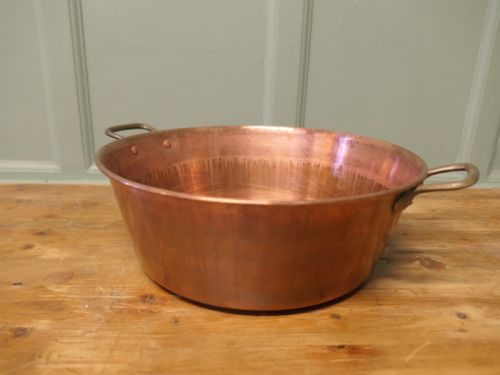
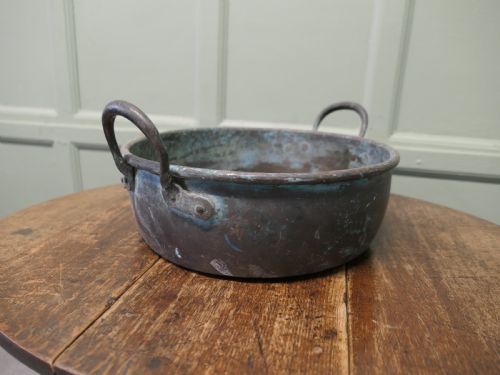
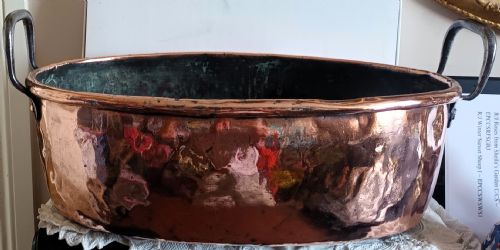
When searching for copper preserve pan handles, a buyer examines functional kitchenware designed for boiling fruit and cream, frequently encountered in forms dating from the nineteenth century and the Georgian period. The inventory includes large preserving pans, double-handled jam pans, cream setting pans, and duck roasting dishes.
The objects span Victorian, rustic farmhouse, and Victorian country styles alongside Georgian designs. These pieces originate primarily from English domestic kitchens, reflecting utilitarian traditions of earlier centuries.
Construction and materials
The pieces combine heavy copper bodies with durable mounts formed from brass, iron, wrought iron, and bronze. Metals are shaped to withstand regular kitchen use, utilising rivets to secure grips firmly to the vessel walls.
Makers formed these items through hammering and joining techniques appropriate for heavy culinary duty. The combination of copper with robust metal handles ensured stability when lifting hot contents.
Assessing craftsmanship
Quality rests in the weight of the metal and the solidity of the handle attachments. Superior examples demonstrate substantial gauge copper and secure riveted construction rather than thin metal sheets.
Proportion and scale distinguish fine items, particularly among George III and nineteenth-century pieces. The integration of handles with the main pan body reveals the care taken by the maker.
The Copper Preserve Pan Handles Glossary
- Preserving pan
- A wide metal vessel used for boiling fruit with sugar to make jam or preserves. Its shallow shape allows steam to escape efficiently during cooking.
- Cream setting pan
- A specialised kitchen dish utilised in dairies for holding milk while cream rises to the surface. These vessels often feature specific handle arrangements for easy lifting.
- Wrought iron
- Tough, malleable iron that was heated and hammered into shape by a blacksmith. It frequently provides strong support for heavy pan attachments.
- Bronze
- A copper alloy containing tin, valued for its strength and durability. It appears on select antique roasting and preserving dishes.
Copper Preserve Pan Handles: Frequently Asked Questions
What were copper preserve pan handles used for?
These grips allowed cooks to lift heavy vessels filled with hot fruit preserves, jams, or cream safely. Their sturdy construction supported the considerable weight of boiling liquids.
Today, they serve primarily as decorative elements or display pieces in country kitchens and rustic interiors, retaining their historical character.
How old are these pans typically?
The available pieces generally date from the nineteenth century, with specific examples originating in the Georgian era around eighteen hundred. Styles span Victorian country and rustic farmhouse traditions.
Determining age involves examining the metal types, construction methods such as hand-riveting, and overall stylistic markers characteristic of early English kitchenware.
Are the handles made of copper too?
While the main vessels consist of heavy copper, the grips and handles frequently incorporate other durable metals such as brass, iron, wrought iron, and bronze. This mix of materials provided the necessary strength for lifting.
Different periods and makers favoured specific combinations, with riveted brass or iron brackets being common choices for securing the grip to the pan body.
How do I clean antique copper pans?
Maintenance depends on whether the piece is used for cooking or kept purely for display. Traditional cleaning products can restore the bright metallic finish of the copper body and handle components.
Many collectors prefer to preserve a natural, aged patina on older pieces, gently removing dust without aggressive polishing to maintain historical character.