




Vintage Copper Cooking Pot
A vintage copper cooking pot brings heavy metal warmth and deep kitchen history straight to your hearth.
Vintage Copper Cooking Pot
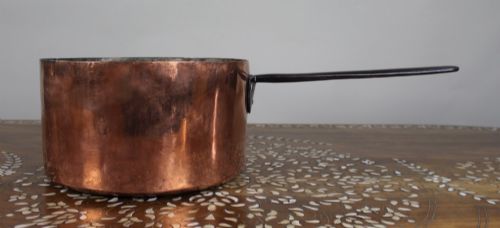
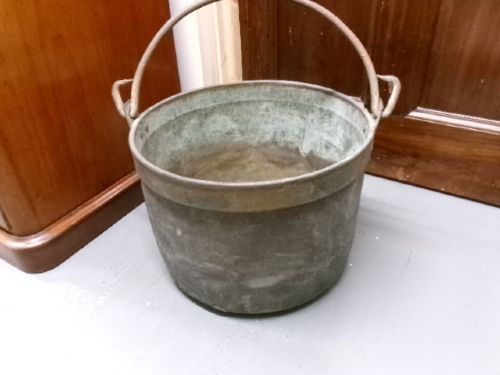
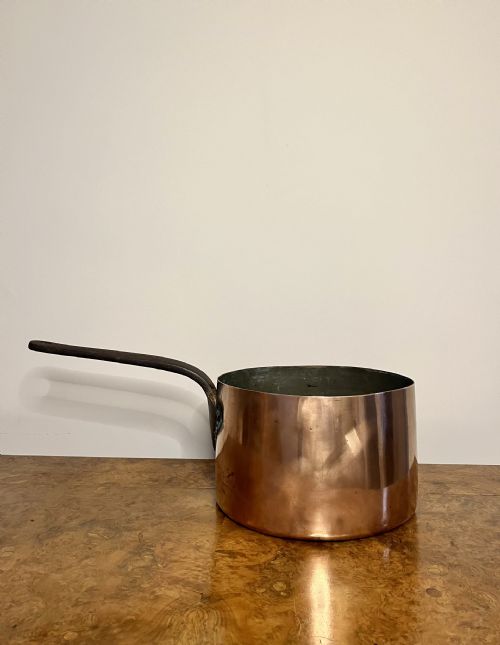
When you search for a vintage copper cooking pot, you enter a domain of utilitarian metalwork forged for serious domestic labour. The listings before you span Georgian, Victorian, and nineteenth-century eras, bringing heavy saucepans, cauldrons, preserve pans, and handled vessels straight from historic kitchens. French country sets and rustic farmhouse examples appear alongside grand George III lidded pots.
You are most likely to encounter substantial saucepans and large two-handled cauldrons fashioned in copper with contrasting metal attachments. These pieces range from intimate single vessels to sets of pans, often fitted with brass swing handles, iron mounts, and tight-fitting lids. Their presence carries the undeniable weight of utilitarian heritage into modern spaces.
Construction and materials
The primary material across these pieces is heavy sheet copper, beaten and shaped to withstand intense hearth heat. Makers combined this conductive metal with robust structural elements, adding cast iron or wrought iron handles and sturdy brass mounts for lifting and pouring.
Construction relies heavily on traditional joining techniques, notably hand riveting that fastens handles and seams securely to the main body. Interiors were typically lined with tin to prevent copper toxicity during food preparation, while exterior surfaces often show the distinctive hammer marks of nineteenth-century smiths.
Listings feature copper alongside iron, brass, cast iron, wrought iron, and tin across Georgian and Victorian periods.
Evaluating craftsmanship and condition
Quality in a vintage copper cooking pot rests in the thickness of the metal gauge and the integrity of its construction. Superior examples display heavy, uniform walls that hold heat evenly, whereas lesser pieces feel thin and prone to flexing under pressure.
The finesse of the joinery and the presence of maker stamps or retailer marks elevate certain pieces above standard utilitarian ware. Well-balanced handles, securely pinned rivets, and original lids distinguish exceptional George III and Victorian cookware from ordinary kitchen survivors.
Hodges and Sons·Liptons
The Vintage Copper Cooking Pot Glossary
- Cauldron
- A large round pot with a swing handle, designed for suspension over an open fire or placement on hearth embers. These heavy vessels frequently feature brass or iron attachments.
- Preserve pan
- A wide, shallow pan utilised for boiling fruit and sugar mixtures, typically fitted with sturdy side handles for steady lifting. Their broad surface area allows rapid evaporation during jam making.
- Saucepan
- A deep cooking vessel with a single long handle, built for simmering liquids and sauces on a stove or range. Georgian and Victorian iterations often include fitted lids.
- Riveted
- Joined together by metal pins hammered flat at the ends to secure handles and components permanently. This method provides the robust mechanical strength necessary for heavy kitchen use.
- Lined
- Coated on the interior surface with a protective layer of tin to isolate reactive copper from acidic foodstuffs. This traditional interior treatment was essential for safe daily cookery.
Vintage Copper Cooking Pot: Frequently Asked Questions
Can I still cook with a vintage copper cooking pot?
While these vessels were built for actual culinary work, modern use depends entirely on the condition of the interior tin lining. If the protective tin layer remains intact, light cooking is feasible.
Many collectors prefer to display these pots as decorative objects rather than risking damage to fragile historic linings and aged metalwork.
How do I clean tarnished copper?
Cleaning requires gentle metal polishes or traditional acidic mixtures such as lemon juice and salt to lift oxidation without scratching the surface. Avoid harsh abrasive pads that destroy original hammer marks and patina.
Allowing copper to retain a degree of warmth and age often enhances its visual appeal in a room.
How do I date a copper pot?
Dating relies on observing handle styles, construction methods, and overall form characteristics recorded across Georgian and Victorian periods. Rivet placement and the transition from hand-hammered to rolled sheet metal offer key chronological clues.
Makers' stamps and retailer inscriptions also help narrow down the exact decade of manufacture.
Where should I display these pots?
These pots look natural grouped near historic hearths, hung from wrought iron pot racks, or arranged on open kitchen shelving. Their rich metallic tones complement timber surfaces and stone fireplaces.
Ensure heavy cauldrons and large saucepans sit on secure surfaces that can safely support their substantial physical weight.