



Antique French Copper Pan
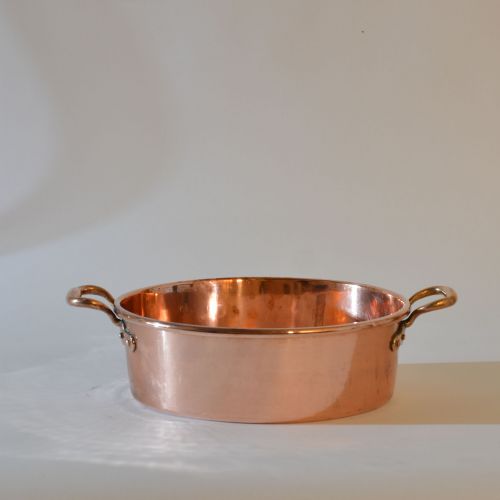
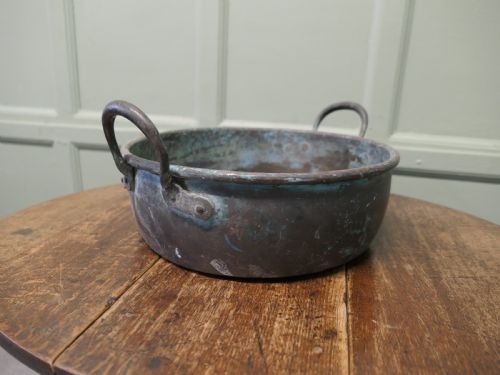
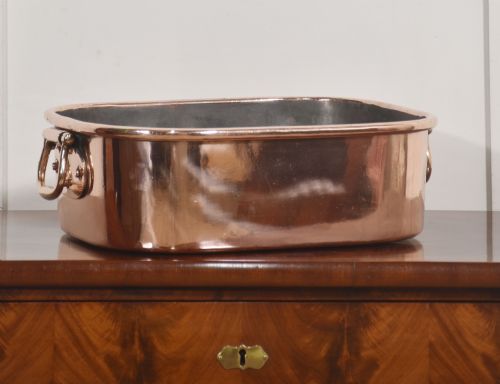
These antique french copper pan examples are heavy kitchen workhorses built for heat and service, bringing centuries of practical hearth utility straight to the modern kitchen.
Antique French Copper Pan
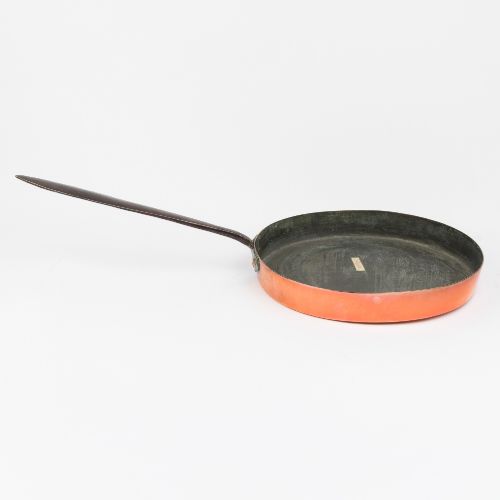
An antique french copper pan takes the form of heavy preserving pans, fish kettles, and deep sauté vessels designed for serious kitchen work. Buyers seeking this phrase encounter pieces predominantly from the nineteenth century, including specific dates such as eighteen sixty, nineteen hundred, and nineteen thirty.
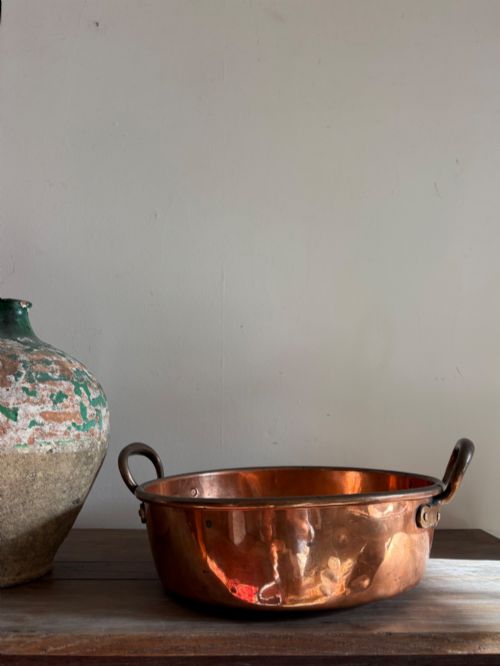
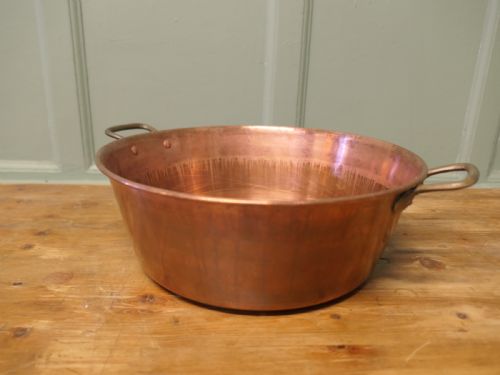
The most common form on this page is the large preserve or jam pan, featuring sturdy brass handles and heavy walls. Alongside these sit fish kettles and sets of graduated pans, spanning styles from rustic farmhouse to nineteenth-century French country.
These items originate from French domestic and provincial kitchens where durability under daily heat mattered above all else. They span utilitarian cookware and kitchenalia, reflecting the standard repertoire of nineteenth-century European culinary equipment.
How they were made
These vessels utilise thick sheets of copper beaten to shape, combined with heavy cast brass handles riveted securely to the walls. Iron fittings also appear on selected items, particularly on fish kettles and earlier kitchenware.
Internal surfaces receive a lining of tin to prevent direct contact between acidic foods and the reactive copper beneath. The base metals display the hand-beaten marks and weight characteristic of nineteenth-century metalworking techniques.
Antique French Copper Pan Retail Price Guide 2026
Typical asking prices for french copper pan among the pieces listed under this phrase on Sellingantiques today, from the lower quarter to the upper quarter. They describe what is for sale here now, not the wider market.
Heavy preserve pans often bear the scars of centuries-old wooden spoons scraping against their bases during endless batches of jam.
What varies in quality
Substantial differences lie in the thickness and weight of the copper sheet, with superior examples scaling up to heavy kilogram measurements that resist warping over direct flames. Lighter pieces offer decorative utility, while heavier ones retain the gauge required for intensive culinary service.
The method of handle attachment and the survival of the original tin lining distinguish utilitarian vessels from ordinary ones. Brass handles firmly secured with heavy rivets indicate robust construction intended for heavy preserve making.
The Antique French Copper Pan Glossary
- Preserve pan
- A wide, open vessel with sloped sides designed for boiling fruit and sugar. The broad opening allows steam to escape rapidly during jam making.
- Fish kettle
- An elongated pan equipped with a lid and internal draining rack for poaching whole fish. This shape ensures even heat distribution along the length of the catch.
- Kitchenalia
- Utilitarian objects originating from domestic kitchens of past eras. These items combine practical function with historical material culture.
- Sauté pan
- A flat-bottomed vessel with straight sides utilised for frying and browning. The high thermal conductivity of copper provides precise temperature control.
- Tin lining
- A protective metallic coating applied to the interior of copper cookware. This layer prevents copper toxicity when cooking acidic ingredients.
Antique French Copper Pan: Frequently Asked Questions
Can I cook with an antique french copper pan?
Many of these heavy vessels retain the structural integrity required for modern cooking surfaces, provided the internal tin lining remains intact.
Buyers should verify the condition of the interior coating before exposing the pan to direct heat and acidic ingredients.
How do I clean a copper pan?
Standard maintenance involves using specialised copper cleaners or a paste of salt and acid to remove oxidation and restore the metal's natural shine.
Avoid abrasive scourers that scratch the surface and diminish the historical finish of the metal.
How do I date an old copper pan?
Dating relies on observing construction methods, such as hand-beaten marks, rivet styles, and handle attachments typical of the nineteenth century. Specific era markers often align with Victorian or French provincial design standards.
Weight and thickness also indicate the manufacturing period before industrial standardisation took hold.