
Colonial Indian Wooden Table
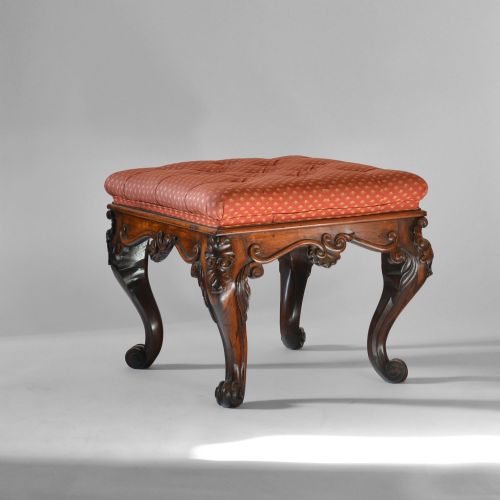
A colonial indian wooden table brings dense timber carving and regional craftsmanship directly into a room.
Colonial Indian Wooden Table
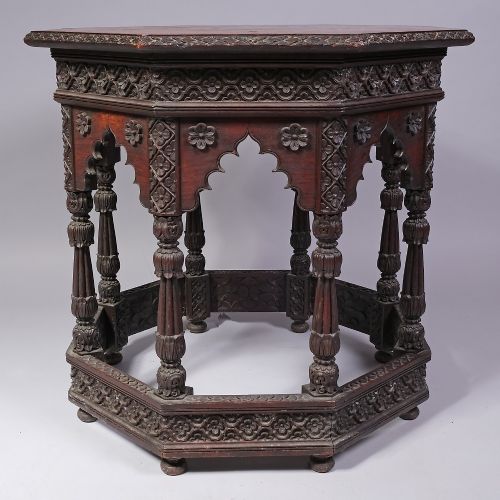
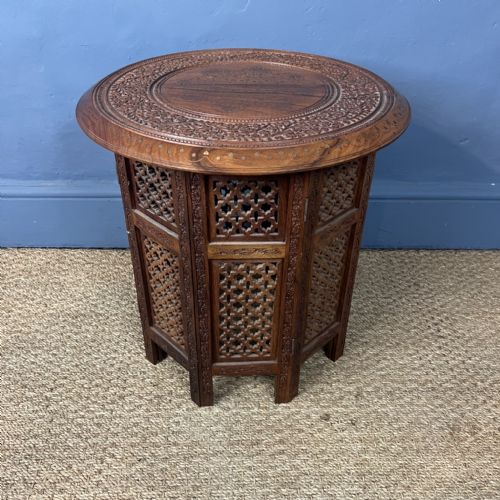
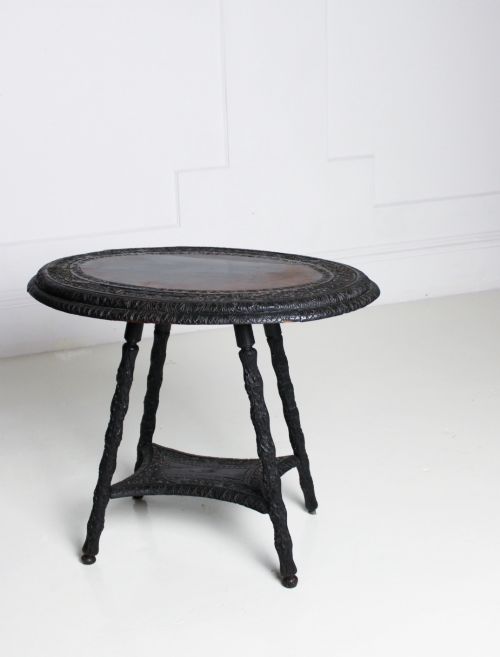
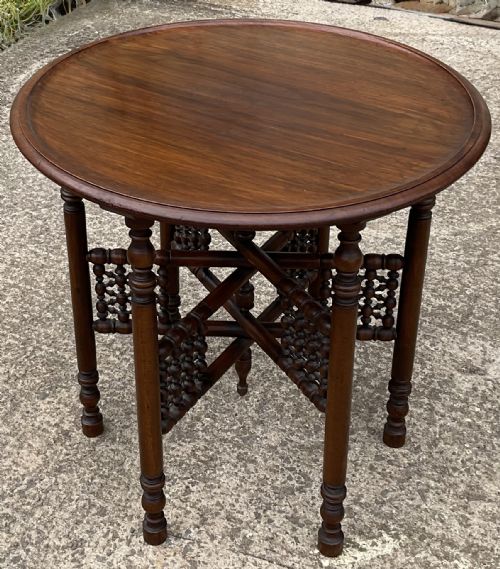
A colonial indian wooden table encompasses a variety of forms including side tables, coffee tables, occasional tables, and console tables rooted in nineteenth and early twentieth century production. The selections on this page feature regional variations such as Anglo-Indian, Anglo-Burmese, and Victorian Colonial designs.
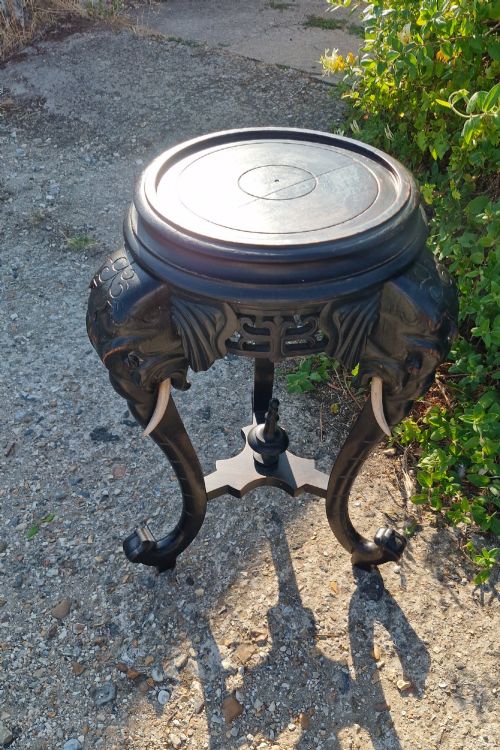
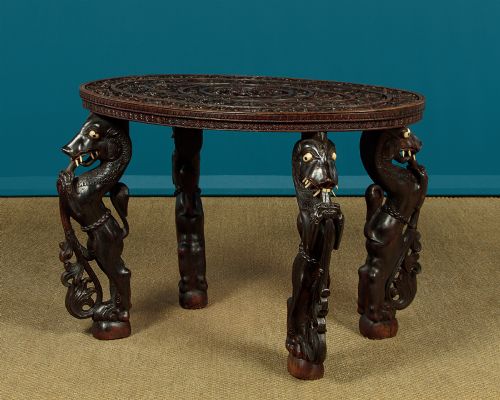
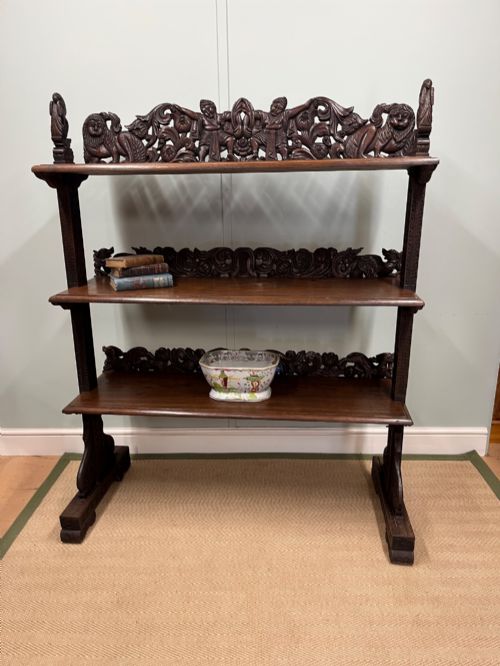
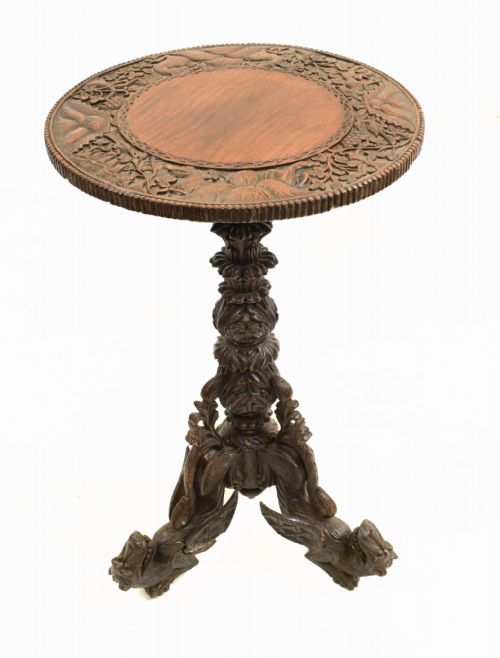
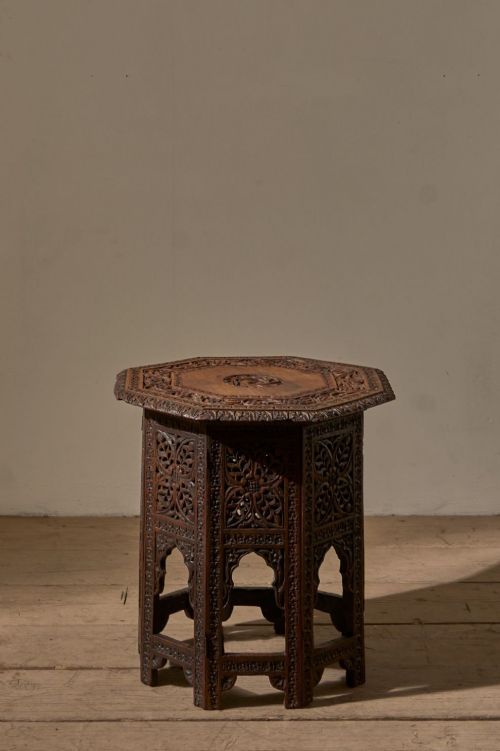
Buyers frequently encounter occasional and side tables alongside more specific regional formats like octagonal tables, elephant tables, and pieces featuring carved zoomorphic elements. Solid timbers dominate the offerings, matched with specialised regional joinery and surface ornamentation.
How they were made
Workshops utilised dense tropical hardwoods including teak, padauk, and rosewood, which provided stable foundations for intricate relief carving. Artisans shaped these timbers using hand tools to create complex geometric patterns, foliage motifs, and figurative elements.
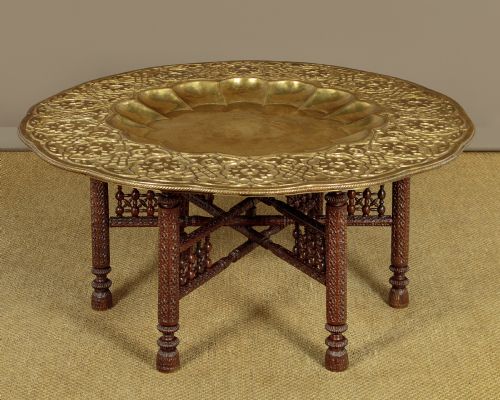
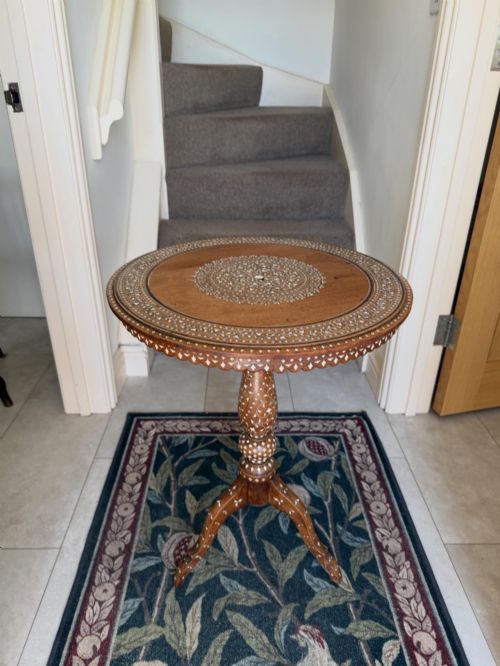
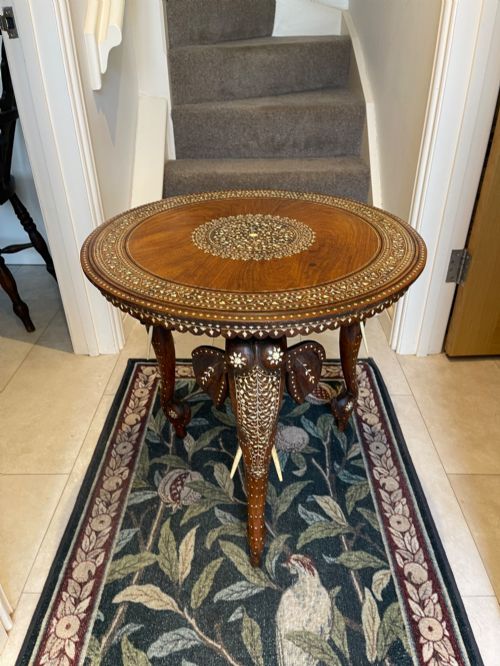
Many examples incorporate contrasting materials, setting brass wire inlay, copper tops, or bone and bone inlay directly into the wooden surfaces. Construction methods combined traditional mortise and tenon joinery with folding frames or demountable pedestals designed for transport.
Several tables feature hand-painted wooden tusks and carved elephant heads, bringing literal interpretation to the classic animal table form.
What varies in quality
The depth, precision, and sharpness of the hand carving separate standard examples from finer pieces produced in recognised centres such as Hoshiarpur or the Bombay Presidency. Crisp relief work on dense timbers like padauk or rosewood demonstrates superior workshop capability.
The integration of secondary materials such as brass and bone inlay affects the overall finish, where tight fitting components indicate careful execution. Original structural integrity and well-preserved timber surfaces distinguish better preserved specimens.
The Colonial Indian Wooden Table Glossary
- Anglo-Indian
- A descriptive term for furniture made in India during the British colonial period, combining European furniture forms with local carving traditions. These pieces often exhibit dense surface ornamentation.
- Padauk
- A heavy, durable reddish-brown tropical hardwood favoured by colonial makers for its stability and fine grain. It accepts intricate relief carving without splitting.
- Hoshiarpur
- A town in Punjab known for specialised woodwork featuring intricate micro-mosaic inlay of bone or brass set into wooden grounds. Items from this region display complex geometric patterns.
- Tilt top
- A table mechanism allowing the top to pivot to a vertical position for storage when not in use. This feature appears on circular occasional tables.
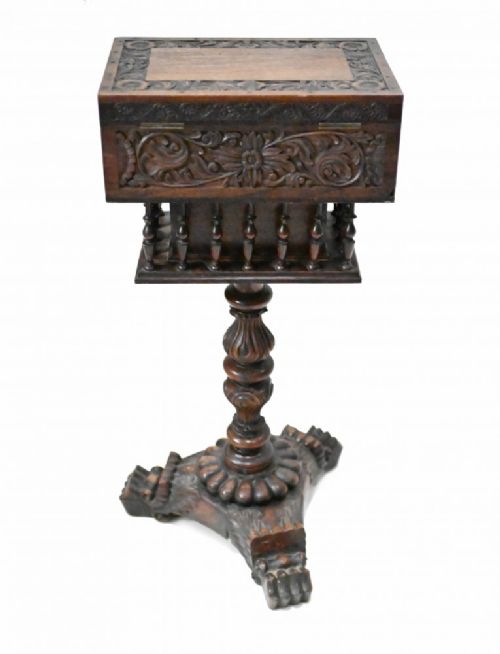
- Teapoy
- A small occasional table or stand traditionally used for holding tea equipment. Colonial versions often incorporate carved detailing and solid hardwood construction.
Colonial Indian Wooden Table: Frequently Asked Questions
What is a colonial indian wooden table?
These tables are nineteenth and early twentieth century furnishings produced during the British period in India, combining local timber and carving skills with European forms. Workshops utilised native woods like teak and rosewood to construct side tables, coffee tables, and octagonal occasional pieces.
Makers incorporated regional styles such as Anglo-Indian and Anglo-Burmese work, featuring detailed relief carvings, animal motifs, and occasional brass or bone inlay. They served functional roles in colonial households while displaying traditional craftsmanship.
How do I identify Hoshiarpur work?
Hoshiarpur pieces are recognised by their dense geometric surface decoration created using intricate inlay work. Artisans set small pieces of bone or brass tightly into the wooden ground to form complex patterns across the entire surface.
This specific style of ornamentation covers octagonal tables, pedestal tables, and occasional furniture from the late nineteenth century. The precision of the inlay work distinguishes these items from plain carved regional furniture.
What woods were used for these tables?
Maker workshops relied heavily on dense tropical hardwoods available locally, including teak, padauk, and rosewood. These timbers provided the necessary weight and stability for deep relief carving and sustained intricate hand shaping.
Padauk and rosewood offer distinct reddish and dark brown tones that aged well under traditional finishes. The natural oils in teak also made these tables resilient in various climates.
How do I care for inlaid wooden tables?
Maintenance involves keeping wooden surfaces clean using dry cloths and avoiding excessive moisture that might affect the timber. Natural waxes can be applied sparingly to nourish dense hardwoods like teak and padauk without harming the grain.
Inlaid components require gentle handling to prevent loosening of the brass or bone elements set into the wood. Placing tables away from direct heat sources helps preserve the structural stability of the joints.
Are these tables suitable for modern rooms?
Side tables, coffee tables, and occasional pieces fit easily into contemporary living spaces as functional accent furniture. Their compact dimensions allow them to serve beside seating areas or display decorative objects.
The varied forms, from circular tilt-top tables to octagonal stands, provide flexible options for different room layouts. Solid timber construction ensures they remain practical for daily household use.