

Antique Carved Wooden Stand
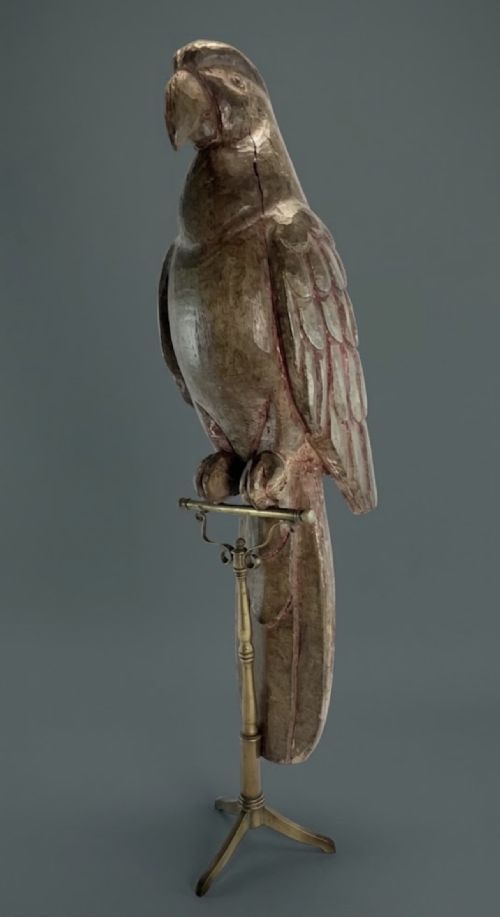
An antique carved wooden stand brings functional height and historic craftsmanship to any room, offering a sturdy perch for plants, lights or books.
Antique Carved Wooden Stand
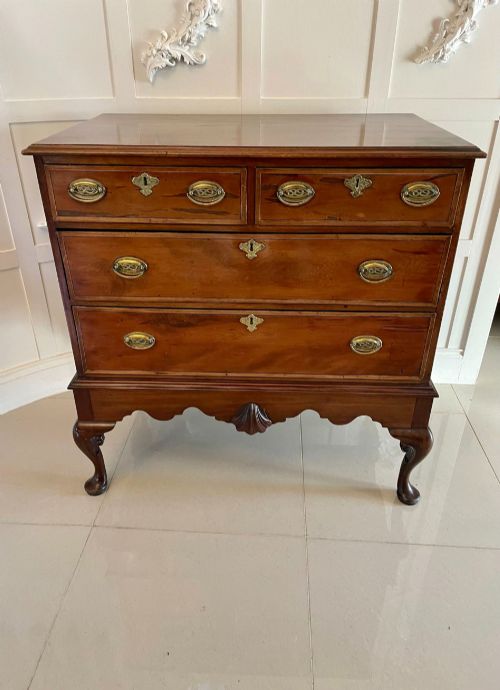
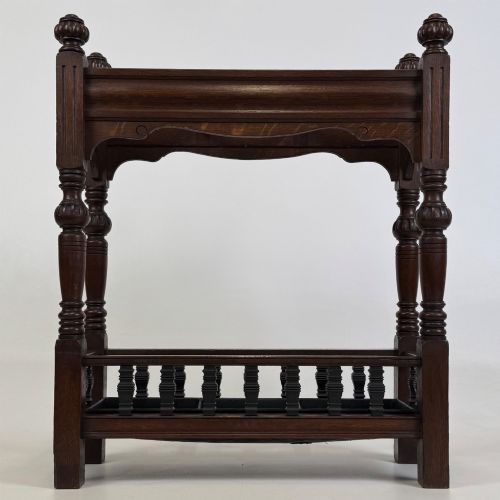
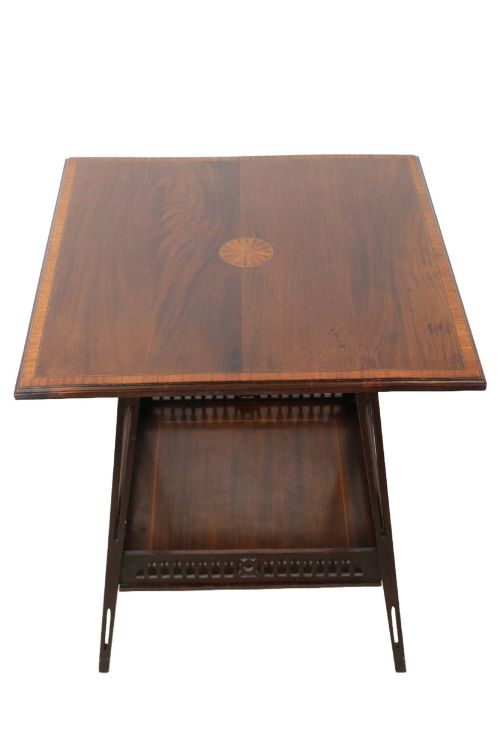
An antique carved wooden stand encompasses a diverse group of domestic furnishings designed to elevate objects or organise hallways, appearing frequently in oak and mahogany across nineteenth and early twentieth century styles. Buyers searching this phrase encounter practical items ranging from torchers and umbrella holders to small side tables and book stands.
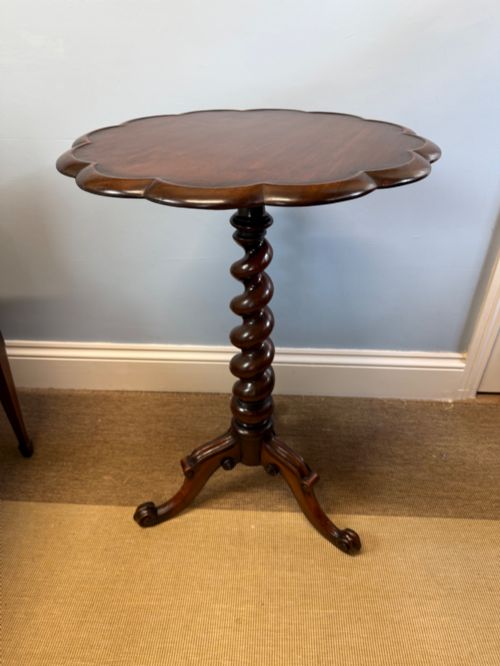
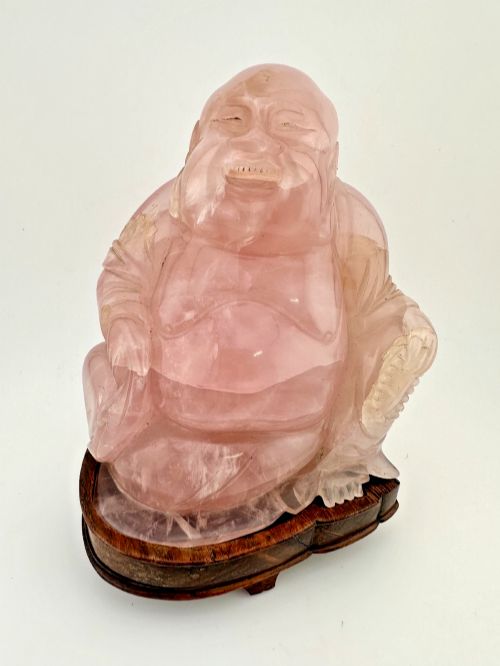
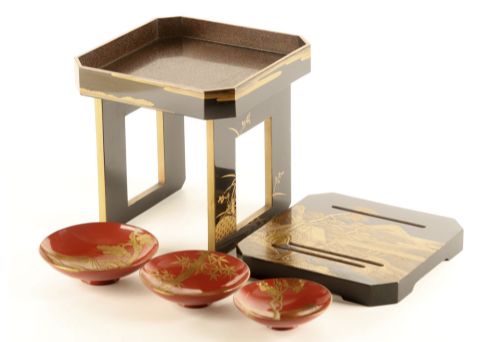
The selection reflects both British and continental European traditions, alongside pieces influenced by eastern designs such as Anglo-Indian or Qing dynasty aesthetics. Many examples date from the Victorian and Edwardian eras, utilising dense hardwoods shaped into columns, tripods and barley twist supports.
How they were made
Cabinet makers and joiners relied primarily on native timbers such as oak, walnut and mahogany, often shaping the stock by hand with chisels and gouges to produce deep relief carvings. Hardwoods were chosen for their structural strength, particularly in weight bearing pieces like umbrella stands and floor lamp standards.
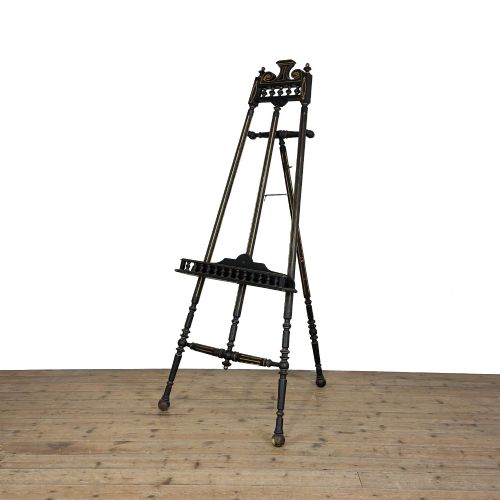
Surface treatments varied from traditional wax polishes that enhanced the natural grain to ebonising and liming techniques popular during the Aesthetic and Arts and Crafts movements. Joinery methods included mortise and tenon joints alongside turned components like barley twist columns and pedestals.
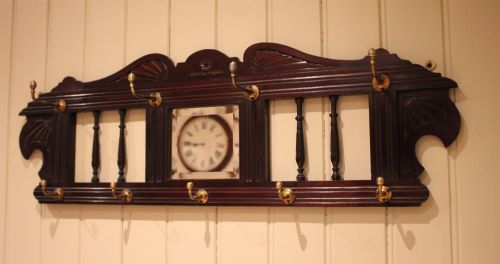
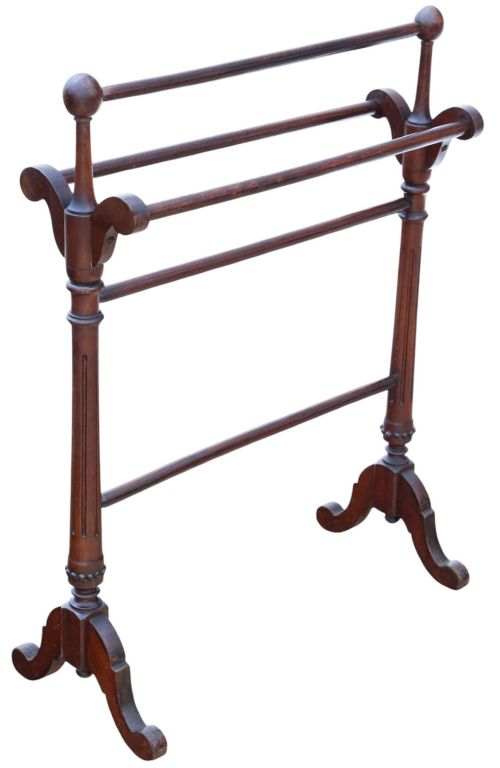
The inventory records functional items including umbrella stands, towel rails, music cabinets and display pedestals.
What varies in quality
The standard of carving distinguishes standard utility items from exceptional workshop productions, with crisp, deep undercutting showing greater artisan skill than shallow mechanical stamping. Timber selection also dictates the tier of the piece, as figured burr walnut and dense quarter sawn oak command greater attention than plain commercial softwoods.
Structural integrity and the retention of original surface finishes separate well preserved examples from heavily restored ones. Pieces bearing maker labels or attributed to notable workshops demonstrate documented provenance that elevates their standing among collectors.
Trevor Page And Co·Arthur Simpson·Denby And Spinks
The Antique Carved Wooden Stand Glossary
- Torchere
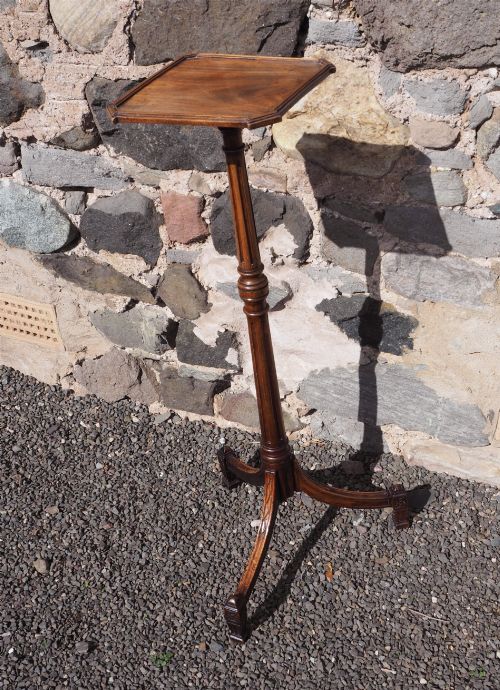
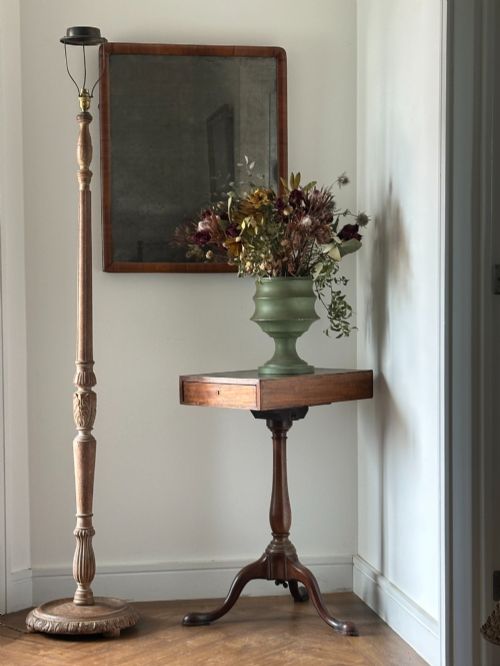
- A tall ornamental stand designed to hold a candle or lamp. These elevated wooden columns often feature carved capitals and tripod bases.
- Whatnot
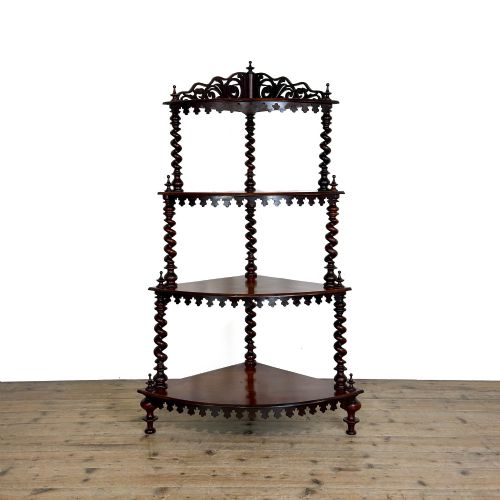
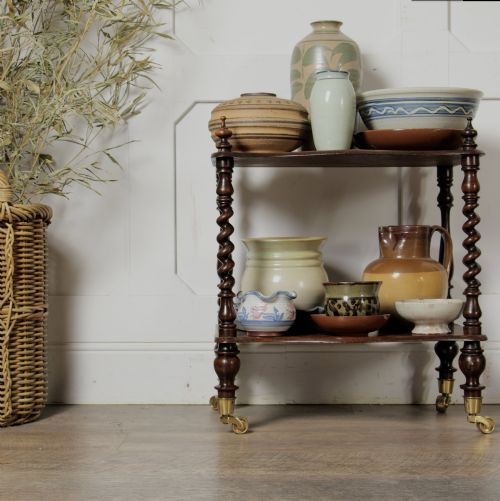
- A multi tiered piece of open shelving used for displaying ornaments or books. They rest upon upright supports and frequently incorporate turned or carved detailing.
- Barley twist
- A type of turning that resembles a spiral rope or barley sugar stick. Craftsmen produced this decorative profile on lathe machines to add movement to vertical supports.
- Ebonisation
- A chemical or staining process used to darken light timber until it resembles costly ebony. This finish gained popularity during the Victorian period for dramatic effect.
- Solomonic column
- A spiral column featuring a helical twist, originating in classical architecture. Eighteenth century makers translated this dramatic form into solid oak and walnut pedestals.
Antique Carved Wooden Stand: Frequently Asked Questions
What rooms suit an antique carved wooden stand?
These versatile pieces adapt readily to hallways, living rooms and studies depending on their original function. Tall torchers and plant stands occupy empty corners, while side tables sit comfortably beside seating.
Umbrella and coat stands find a natural home in entrance spaces, offering practical utility combined with period character.
How do I identify Victorian pieces?
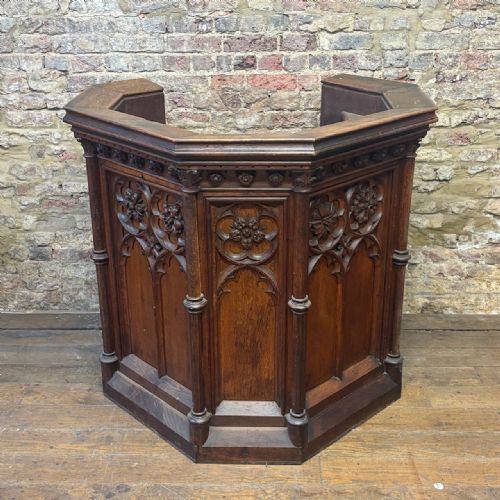
Victorian stands typically exhibit dense timber choices such as mahogany and burr walnut, often featuring heavier carved ornamentation like Gothic Revival motifs or barley twists. The proportions tend to be robust and grounded.
Makers of this era embraced eclectic revivals, drawing inspiration from historical French and English design vocabulary.
Were these stands used for lighting?
Many tall stands served as supports for oil lamps or heavy candles before the widespread adoption of electricity. They were engineered with stable bases to safely bear the weight of heavy metal or glass reservoirs.
Today, these same columns frequently accept electrical conversion for modern floor lamps and reading lights.
What distinguishes Edwardian examples?
Edwardian stands generally display lighter proportions and cleaner lines than their Victorian predecessors, reflecting the influence of the Arts and Crafts movement. Oak remains a dominant material, often left with a natural or limed finish.
Inlay work and simpler geometric carving supplant the heavier, dense relief work of earlier decades.