




Pierced Carved Accent Table
A pierced carved accent table brings intricate woodwork and colonial craftsmanship into a room, offering a functional surface with deep artistic detail.
Pierced Carved Accent Table
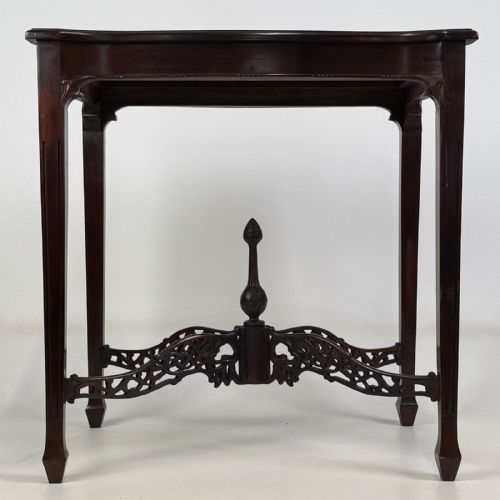
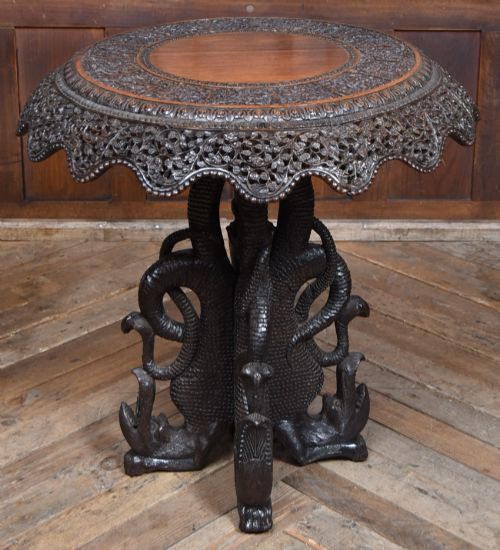
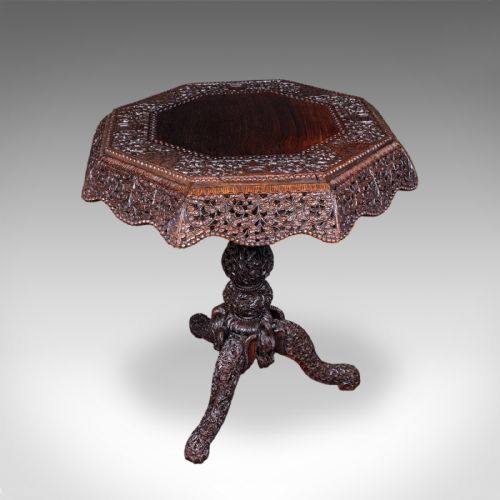
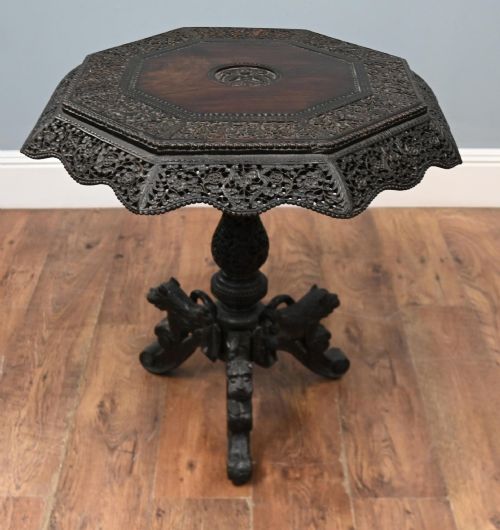
A pierced carved accent table typically manifests as a side, occasional, or wine table created within Anglo-Indian, Burmese, or colonial traditions. These pieces often serve secondary roles in a room, holding small lamps or ornaments while displaying elaborate craftsmanship.
The materials and forms span from octagonal and tip-top folding structures to solid pedestal designs originating across the nineteenth and early twentieth centuries. Surviving examples reflect both indigenous carving techniques and European furniture shapes tailored for export and colonial homes.
How they were made
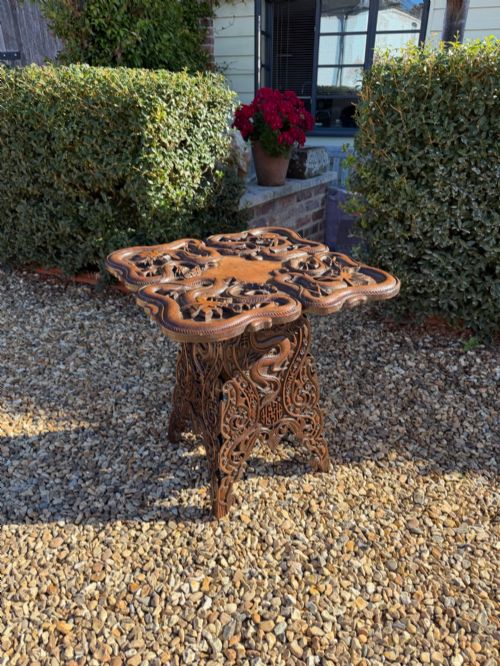
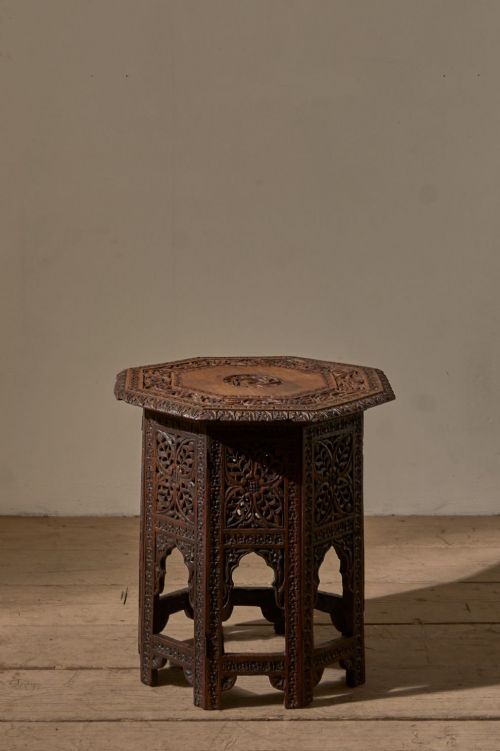
Artisans constructed these tables using dense tropical timbers such as teak, padauk wood, mahogany, and general hardwoods. Many of these surfaces incorporate detailed pierce-work alongside traditional relief carving depicting foliage, dragons, and peacocks.
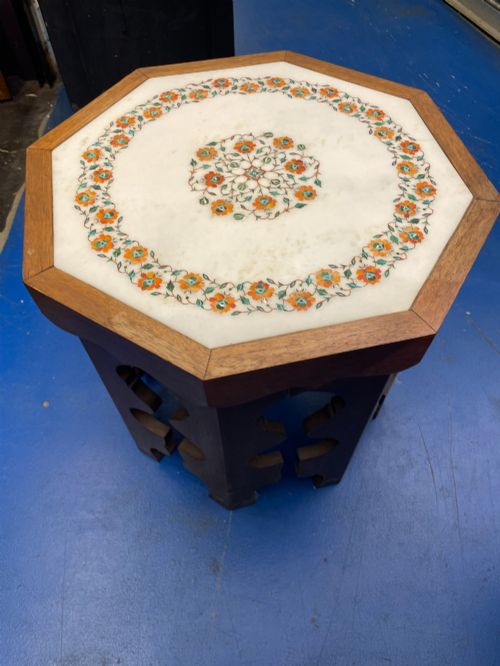
Additional decorative elements frequently include brass inlay, bone inlay, and occasionally inset white marble or semi-precious stones. Folding mechanisms and tilt-top designs required precise joinery to ensure stability alongside portability.
Pierced Carved Accent Table Retail Price Guide 2026
Typical asking prices for pierced carved accent table among the pieces listed under this phrase on Sellingantiques today, from the lower quarter to the upper quarter. They describe what is for sale here now, not the wider market.
Watch closely for carved dragons and peacocks hiding amongst the dense foliage of these nineteenth-century tables.
What varies in quality
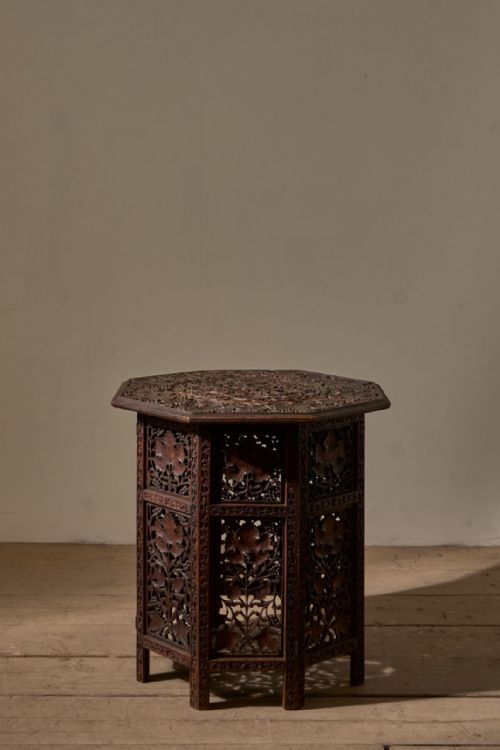
The depth and crispness of the carving distinguish finer examples from simpler production, particularly where openwork piercing creates complex lace-like patterns in the timber. Secondary materials like bone or brass inlay also dictate the richness of the finished piece.
Structural integrity within folding frames and the selection of superior timbers such as padauk or teak rather than standard hardwoods elevate the overall standard of the furniture.
The Pierced Carved Accent Table Glossary
- Pierced work
- Woodwork cut completely through to create an open pattern or lattice effect. This technique lightens the visual weight of dense tropical hardwoods.
- Anglo-Indian
- Furniture made in India during the British colonial period, combining British furniture forms with local carving styles. These pieces often utilise native timbers like teak and padauk.
- Tip-top table
- A table with a hinged top that pivots to a vertical position when not in use. This design allowed for easier storage in smaller spaces.
- Padauk wood
- A heavy, durable reddish-brown timber favoured for fine cabinet-making. It responds exceptionally well to detailed carving and high-relief work.
- Campaign table
- Portable furniture designed to fold or dismantle for transport by travellers or military officers. These items combine practical hinges with sturdy construction.
Pierced Carved Accent Table: Frequently Asked Questions
Where should I place a pierced carved accent table?
These tables fit well beside seating areas or in hallways where their detailed surfaces can be appreciated. Their compact scale makes them useful as lamp tables or occasional display stands.
Ensure they sit away from direct heat sources to protect the dry timber and intricate joinery from warping.
How do I clean a carved wooden table?
Dust the intricate recesses regularly with a soft, dry brush to prevent dirt accumulation in the pierced sections. Avoid liquid polishes that can build up within the carved crevices over time.
Applying a sparing amount of microcrystalline wax occasionally helps preserve the finish of older hardwoods.
What is the difference between Burmese and Anglo-Indian tables?
Burmese tables frequently display deep, dense carving covering the entire surface, often featuring figures, animals, or dense foliage. Anglo-Indian pieces similarly combine traditional Eastern motifs with British furniture shapes like octagonal or occasional stands.
Both styles emerged from colonial exchange and utilise regional timbers like teak and padauk.
Are these folding tables sturdy?
Campaign and folding models use clever interlocking or hinged wooden bases designed for practical utility. While portable, they provide a stable surface for everyday items when fully opened.
Care should be taken when moving them to avoid straining the original wooden hinges.