


Indian Rosewood Tea Table
An indian rosewood tea table brings rich colonial craftsmanship and intricate carving into a modern room.
Indian Rosewood Tea Table
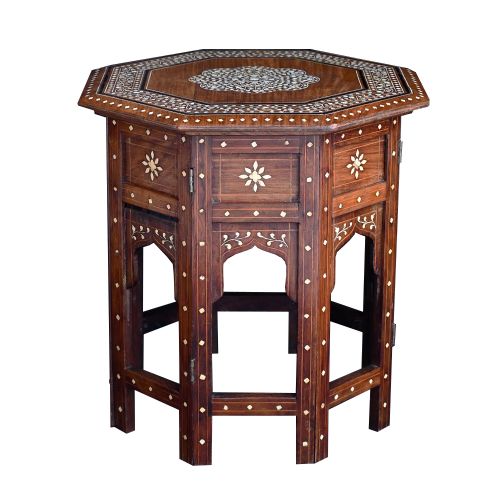
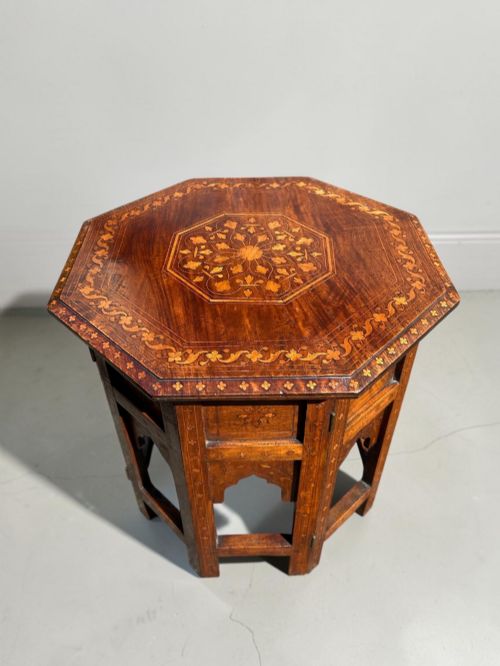
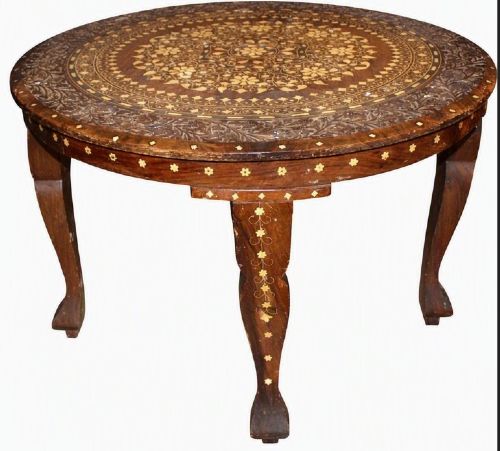
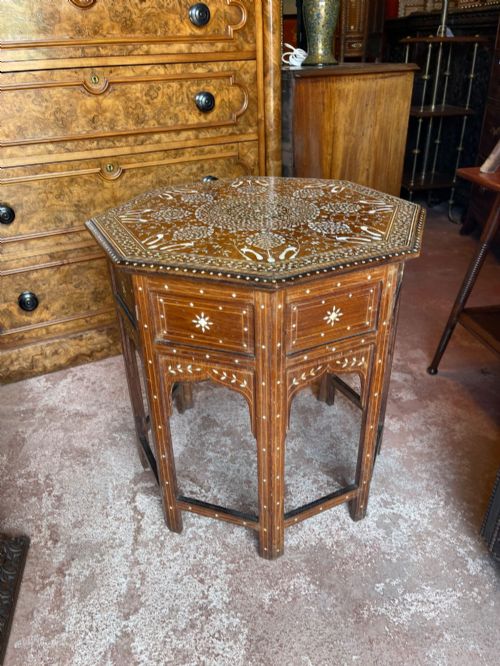
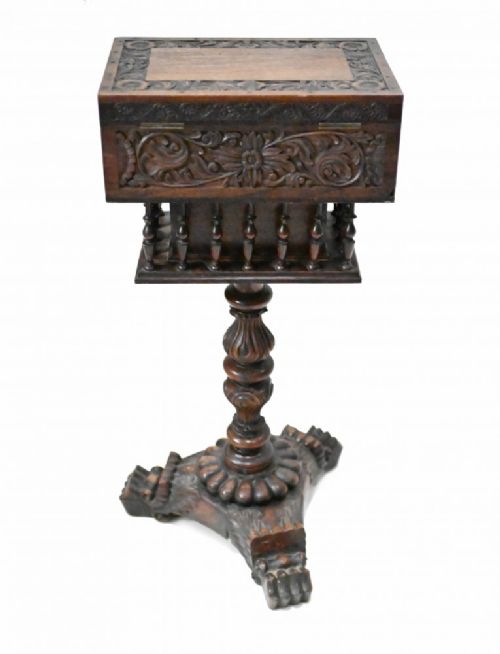
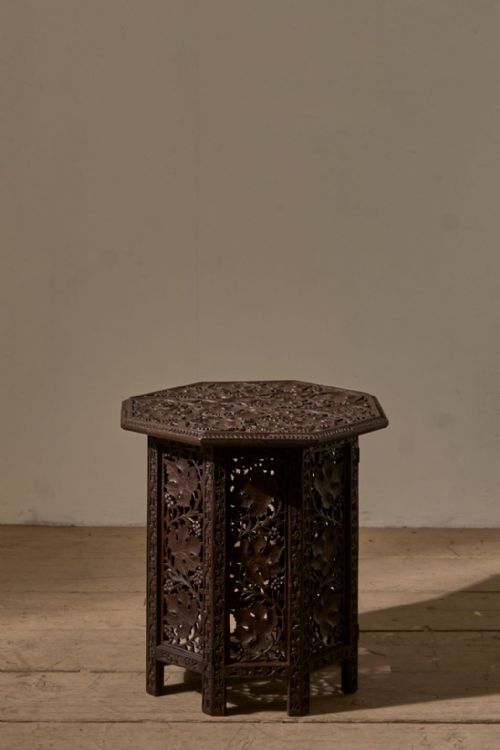
An indian rosewood tea table encompasses heavily carved occasional, side, and centre tables created during the nineteenth and early twentieth centuries under Anglo-Indian and colonial influence. These pieces frequently adopt an octagonal or circular format designed for versatile placement as coffee or display surfaces.
How they were made
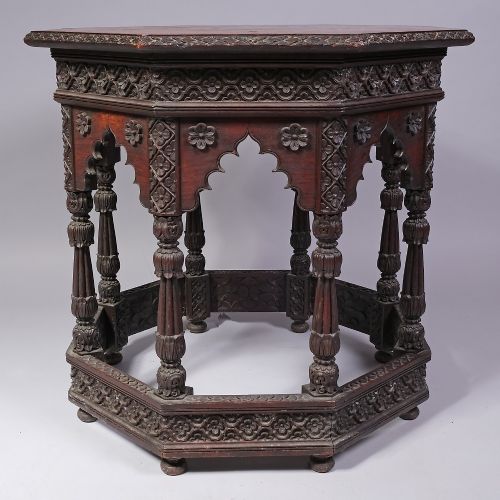
Craftsmen utilised dense timbers including rosewood, padauk, teak, and ebonised hardwoods as the structural foundation for these intricate surfaces. These heavy woods provided the ideal density for deep relief carving and structural stability across folding or pedestal formats.
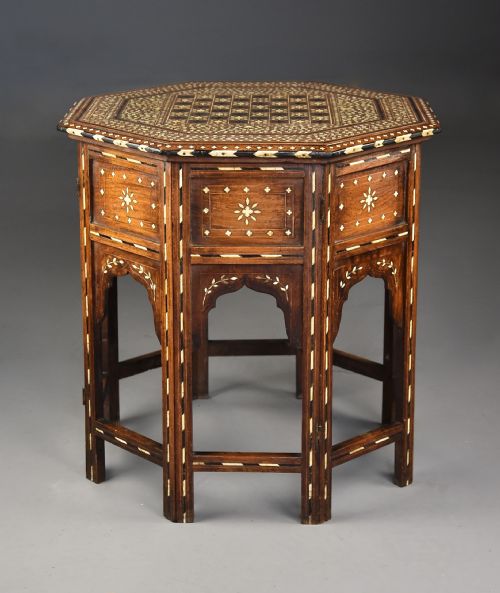
Surface ornamentation relied on meticulous hand inlay work incorporating bone, brass, and mother of pearl into geometric or figural arrangements. This detailed artisan work created high-contrast patterns across table tops and aprons, frequently paired with fully carved folding bases or pedestals.
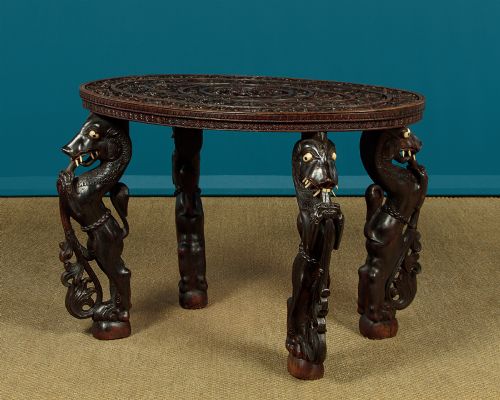
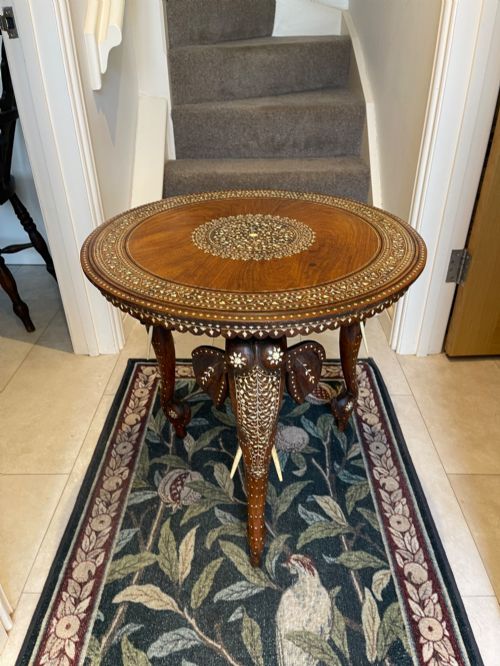
Several tables carved with elephants appear ready to march straight across the rug.
What varies in quality
Quality differentiates itself through the depth and crispness of the hand-carved relief work across the timber surface. Finer examples display precise control in foliage and animal motifs without splintering or shallow detailing in the grain.
The integrity of the inlaid elements dictates the standard of the piece, with tightly fitted bone, brass, or mother of pearl segments marking superior execution. The structural joinery of folding bases and pedestals also determines the durability and balance of the completed table.
Liberty and Co
The Indian Rosewood Tea Table Glossary
- Anglo-Indian
- Pertaining to furniture produced in India during the British colonial period, often combining traditional local craftsmanship with European forms.
- Hoshiarpur
- A North Indian centre renowned for intricate woodwork, specifically characterised by dense bone and brass geometric inlay.
- Padauk
- A heavy, durable tropical hardwood with reddish tones, frequently utilised in nineteenth-century colonial furniture production.
- Teapoy
- A small occasional table or tea caddy stand originating in India and the East, adapted for holding tea equipment.
- Octagonal
- Having eight sides, a prevalent geometry for the tops of inlaid tables from this regional tradition.
Indian Rosewood Tea Table: Frequently Asked Questions
What is an indian rosewood tea table used for today?
These tables function well as compact coffee tables, bedside surfaces, or decorative display stands in living spaces. Their distinct carved surfaces allow them to act as central focal points in a room.
Because many examples feature folding bases or manageable proportions, they remain adaptable for smaller layouts where surface space is required.
How do I identify a Hoshiarpur table?
Hoshiarpur tables are typically distinguished by their dense surface coverage of intricate bone inlay and geometric carved patterns. They frequently adopt an octagonal shape with folding panel bases.
The regional style relies heavily on contrasting light bone or brass details set against dark hardwood backgrounds.
Are these tables sturdy enough for daily use?
Most pieces are constructed from dense tropical hardwoods like rosewood or padauk, offering strong natural durability. Folding versions require careful handling to maintain the integrity of the hinges and joints.
Using coasters and avoiding excessive moisture helps protect the delicate bone or brass inlay work on the surface.
How can I tell the period of an antique Indian table?
Dating relies on examining the construction methods, the wear on the timber, and the style of the carving. Nineteenth-century examples often display hand-cut joinery and aged patination across the rosewood or teak.
Later pieces from the early twentieth century may incorporate simpler framing while retaining traditional decorative motifs.